

How Hemp Producers Can Unlock Potential In Carbon Credit Markets (Op-Ed)
Hemp Carbon Credit Market, IRS 45Q, and the Unlikely Cash Crop Saving Soil and Ledgers
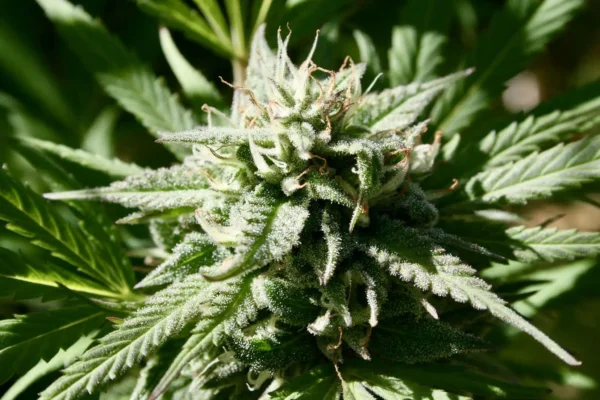
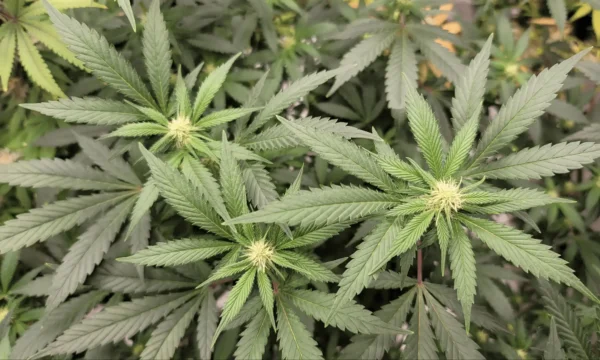
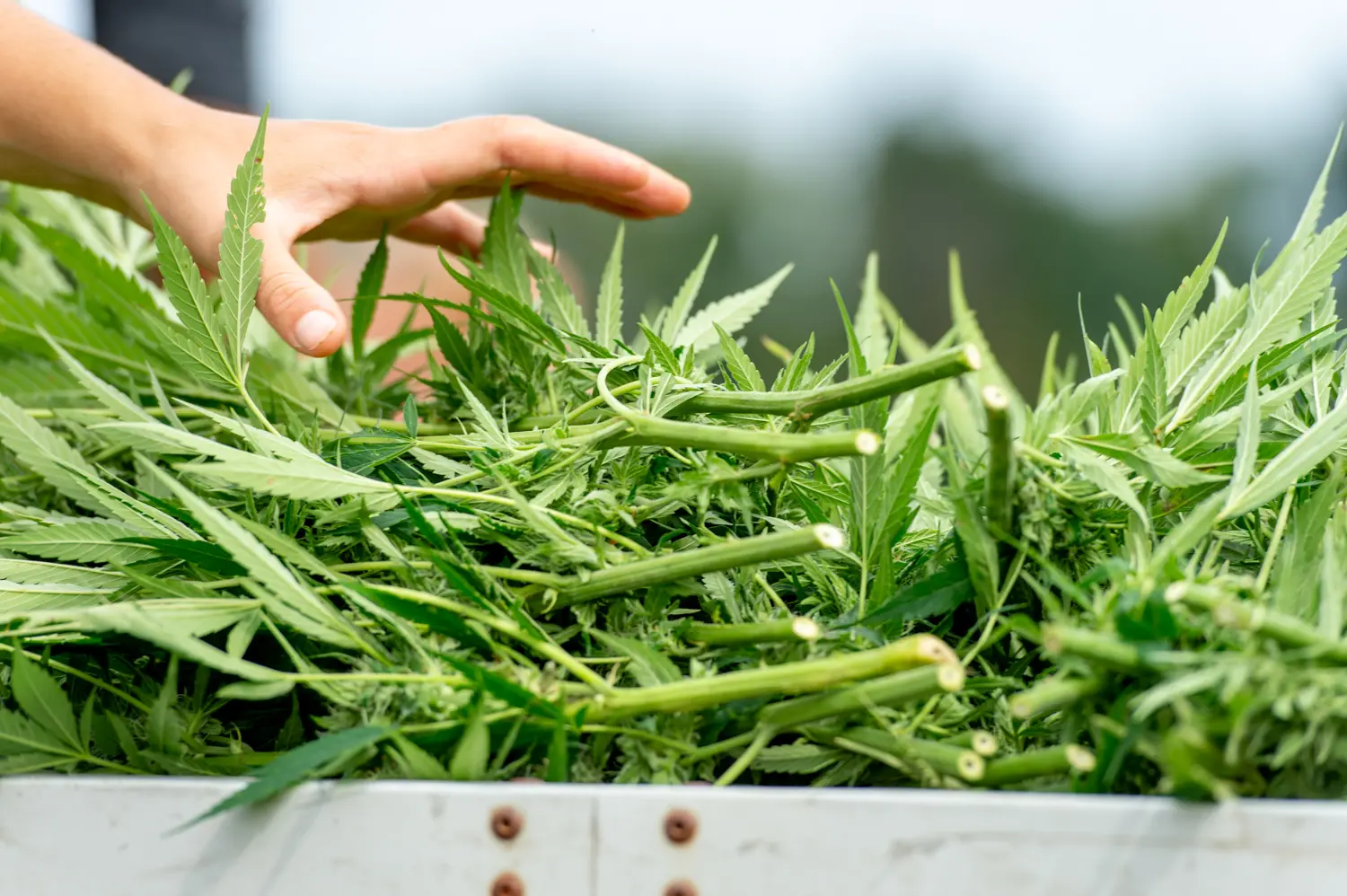
Hemp carbon credit market: a mouthful that tastes like damp soil and second chances. If you grow hemp, you already know the ride—prices swing like a dive bar door at last call, regulations twitch, and that federal tweak redefining “hemp” only tightened the screws. But here’s the curveball: hemp is a carbon vacuum with a stopwatch. It sprints out of the ground, stacks biomass fast, and yanks CO₂ from the sky like it owes you money. Researchers have put numbers to the hunch—roughly 1.63 metric tons of CO₂ absorbed per ton of hemp grown, with fields cycling in four to six months and root systems that lock carbon into the dirt while tuning up your soil for the next round. Some academics even say hemp outpaces forests and commodity crops in the sequestration race. In a world where “sustainability” often plays like a marketing jingle, this is tangible. For growers squeezed by cannabinoid volatility, carbon offsets aren’t side hustle fluff—they’re a second ledger line with real grit.
There are two doors at the back of this carbon club. Voluntary markets are the looser scene: registries like Verra and Gold Standard spin up agriculture-friendly methodologies, buyers hunt offsets to meet ESG promises, and hemp-based credits are beginning to show face. Compliance markets—the government-run rooms like cap-and-trade—move slower, speak in acronyms, and pay steadier when you’re in. Hemp’s not mainstream there yet, but the lobby lights are flickering on. Either way, the rules rhyme: you measure what your fields capture, verify it with third-party eyes, register the project, and keep records like a religion. If your crop ends up as durable end-uses—think biochar, hemp-based building materials, or other long-lived products—you’re stacking permanence, the golden word in carbon accounting. That permanence nudges prices north, and in this game, permanence is worth more than poetry.
IRS Section 45Q sits like a stern accountant at the bar, promising tax credits for every metric ton of CO₂ captured and permanently stored or used in approved ways. It was built with big smokestacks in mind, but it’s inching toward biological sequestration. The catch: you need serious Monitoring, Reporting, and Verification; you need permanence; you need to prove the carbon isn’t just passing through on its way to a vape cart. That’s why intoxicating-hemp growers may find 45Q a tough fit today—unless they pivot into end-uses with long lifespans. Fiber, hurd, biochar, hempcrete—these are the bankable paths. Agronomists have called hemp a near-ideal annual for carbon-negative supply chains, and for once the slogan smells like truth. Policy keeps shifting too—consider how reform keeps pushing into new corners, like the stir around Medical Marijuana Home Cultivation Would Be Legalized In Florida Under Senator’s New Bill. The lesson: build flexible compliance scaffolding now, and you won’t panic when the rulebook shuffles again.
Of course, the devil sends invoices. Verification costs bite. Methodologies can feel like learning a new dialect. The smarter move is to team up: work with project developers, aggregate acreage with neighbors, and lean on accepted tools—COMET-Farm, Cool Farm Tool—for measurement. Some platforms are even tokenizing credits, adding transparency and tradability without the smoke and mirrors. Strategy matters because market weather does, too. Tax and policy ripples change the math for everyone upstream and down; when the hammer comes down—say a court lets a levy proceed, as in Michigan Judge Allows Marijuana Tax Increase To Take Effect Despite Industry Lawsuit—producers need new revenue pilots already warmed up. And the wider map is shifting in parallel, not just with cannabis. Psychedelic medicine programs are accelerating in some states, like the speed bump-evading push described in New Mexico Officials Move To Launch Psilocybin Therapy Program A Year Earlier Than Expected. Translation: policy is a moving target. Build systems that can bend without breaking.
Hemp’s carbon play isn’t just eco-theater; it’s the kind of practical romance farmers understand—soil under your nails, numbers that pencil, and a story consumers actually believe. Early adopters will bank the reputational bump: climate-smart cultivation, credits on the ledger, and products that carry the scent of stewardship. And let’s not forget the bigger arc—plant policy is reshaping public health, too, the way outcomes data stacks up in places where programs mature, as seen in Patients In New York’s Medical Marijuana Program Saw ‘Significantly Reduced’ Opioid Prescriptions, Federally Funded Study Shows. Carbon credits won’t fix every headache, but they can stabilize a business that’s been living in the spin cycle. Start small, measure honestly, verify ruthlessly, and sell your carbon story like you sell your harvest: with pride and receipts. When you’re ready to explore craft grown options from a team that lives this landscape, take a look at our shop: https://thcaorder.com/shop/.