
Hemp Farmers And Patients Who Rely On CBD Need More Than Just A Delay In The Looming Federal Ban (Op-Ed)
Federal hemp THC ban talk feels like a midnight argument in a greasy spoon—steam on the windows, coffee gone cold, everyone convinced they’re right. The stakes aren’t theoretical. They’re planted in dirt, bottled in tinctures, and sitting in kitchen cupboards next to the chamomile tea. Policymakers may kick the can by stretching the 2018 Farm Bill and delaying new hemp restrictions, but delay is just a lullaby sung over an alarm clock. The cannabis industry impact is real: farmers can’t plan, processors can’t invest, and patients using non-intoxicating CBD don’t know if their lifeline becomes contraband next season. If you care about public health, about a transparent Michigan-or-Missouri-style sense of order, you don’t hide behind the word “pause.” You write rules with teeth. You set a clear THC threshold that distinguishes intoxicating hemp derivatives from genuinely non-intoxicating CBD. You standardize testing, labeling, and age-gating. Then you let the market breathe.
Because uncertainty is the real intoxicant here, clouding judgment and warping incentives. Every season spent in policy purgatory invites more whiplash—state crackdowns, surprise recalls, lawsuits, and jobs evaporating overnight. A smart path forward starts with definitions that won’t move with the political weather: total THC caps for non-intoxicating CBD, child-resistant packaging where it belongs, and product categories that don’t blur into adult-use. This is about regulatory certainty, not a regulatory hug. Farmers don’t need pep talks; they need timelines they can plant to. The tension is familiar across America’s patchwork reforms, where one chamber balks while the other rushes ahead—just look at how policy stalls can ripple across supply chains, as seen in the Indiana House Rejects Amendment To Let Farmers Begin Cultivating Marijuana Seeds. Every punt downfield means another year of planning in the dark.
Some folks say, “We need more research” before setting an intoxicating threshold for CBD products—as if the past decade of clinical and real-world use never happened. That refrain is less science and more stalling tactic. We already know non-intoxicating CBD can carry trace THC without sending anyone to the moon. We have pharmacology. Dose-response. Lab analytics. And a mountain of patient-reported outcomes. The science-versus-policy disconnect is the recurring theme of American drug law, where thoughtful regulation is forever playing catch-up with consumer reality. If you’re looking for a sanity check on whether policy has outrun evidence, this isn’t the first rodeo—see how entrenched federal scheduling falls short of the data in Marijuana’s Restrictive Federal Classification Isn’t Supported By Science, New Study Concludes. The lesson is simple enough to scribble on a napkin: treat intoxication like intoxication, and non-intoxicating CBD like non-intoxicating CBD. Then back it up with standards you can measure, bottle after bottle, harvest after harvest.
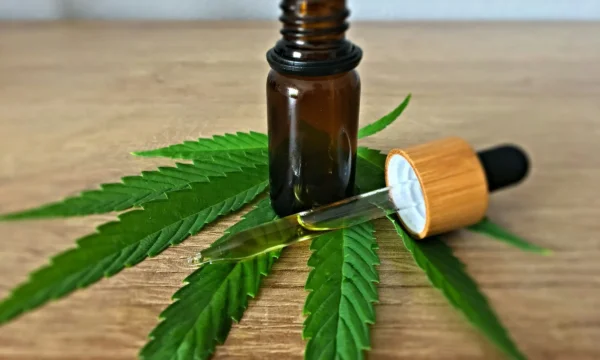
Behind the policy chessboard are families who’ve built their routines around CBD—measured droppers, bedtime rituals, and names for relief that sound like hope: “She slept.” “He focused.” “They didn’t seize.” They aren’t craving a legal loophole. They need a boring, predictable supply chain for non-intoxicating products that work for them. When government dithers, parents become smugglers across county lines. The healthcare system, already overburdened, watches patients self-select from inconsistent shelves. Meanwhile, the hemp plant keeps surprising us with potential, a reminder that the frontier extends beyond the headline cannabinoids—see the early, intriguing signals in the USDA Study Shows Untapped Potential Of Hemp Roots In Pediatric Cancer Treatment. None of that gets easier in a policy fog. Stable rules don’t just tidy up storefronts. They safeguard the quiet, daily experiments patients and caregivers conduct out of necessity, not trend-chasing.
Congress has a narrow window to trade the muddle for a map. Define “non-intoxicating CBD” in federal code with a total THC ceiling grounded in evidence. Require third-party testing that checks what actually matters: potency, contaminants, and consistency. Carve out clear lanes for adult-use intoxicants and therapeutic, non-intoxicating products. When states lead, clarity follows—look at the incremental, unglamorous work of sanding down confusion one rule at a time, as in Missouri Regulators Move To Clarify Medical Marijuana Patients’ Purchasing Limits. National hemp rules should do the same: set expectations, enforce them, and let honest operators sleep at night. Don’t stall. Don’t hide. Fix the language, protect the patients, and give the farmers a future they can budget to. And if you’re ready to explore compliant, premium options born from that clarity we’re fighting for, step into our curated catalog here: https://thcaorder.com/shop/.