Hawaii Senators Approve Limited Marijuana Legalization Bill After House Punts On Reform For 2026
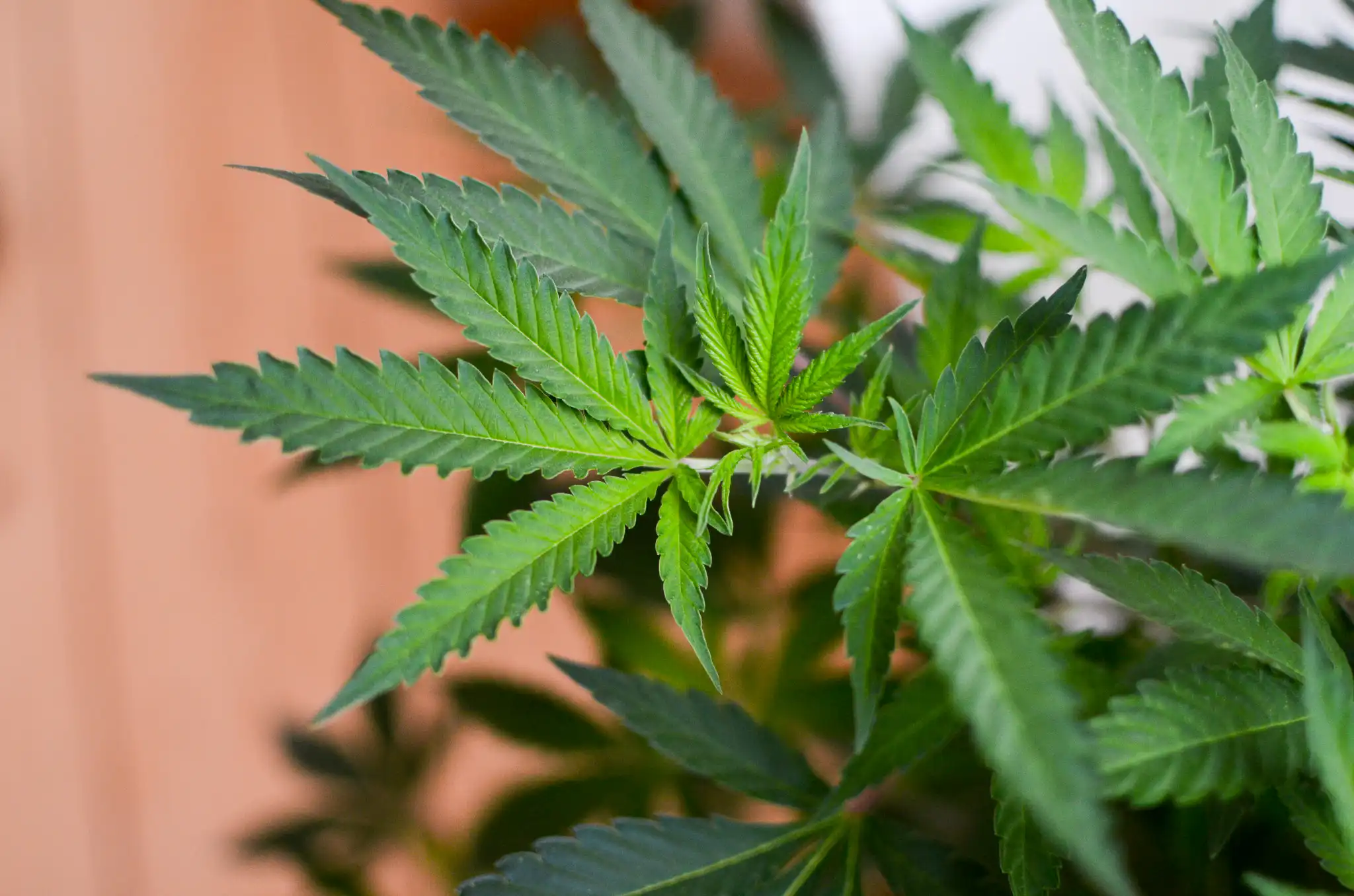
Hawaii marijuana legalization bill takes a tiny bite out of prohibition: a low-dose experiment with big political weather overhead. Picture the islands at dusk—the trade winds, the scent of plumeria, and a Legislature counting out legalization in milligrams. The Senate’s Health and Human Services Committee advanced SB 3275, a limited adult-use measure that legalizes low-THC, low-dose cannabis for people 21 and over. Not a free-for-all—more like a thimble at a tasting. Products top out at 5 milligrams of THC per serving, and liquids can’t cross 5 milligrams per twelve-ounce pour. No commercial cultivation, no retail shelves, no neon “Open” sign. It’s adult-use without the marketplace, cannabis policy reform that feels like a test kitchen serving micro-sips while the kitchen staff debates the recipe. And yet, it’s real: a narrow legal lane carved out of years of stop-and-go in the Hawaii cannabis market.
Lawmakers sanded the bill down before moving it, stripping home cultivation language and handing regulatory responsibilities to the Office of Medical Cannabis Control and Regulation rather than a broader commerce agency—choices that say, “Keep it small, keep it clinical.” They also axed provisions that would have protected consumers’ workplace, parental, and medical care rights—harsh realities tucked between the commas. Meanwhile, the Senate kept the medical lane humming, approving a separate fix so patients can access marijuana as soon as their registrations are submitted rather than waiting for a card—see Hawaii Lawmakers Approve Bill To Let Patients Access Medical Marijuana Immediately Instead Of Having To Wait For Registration Processing for that inside-baseball. But for adult-use? This is legalization without the dispensary, a legalization that pushes consumers back toward the gray market for anything beyond a 5-milligram sigh.
The attorney general’s office didn’t mince words, warning the measure effectively legalizes
non-medical use without the bones—no full regulatory scheme, no resources to manage what comes next. And over in the House, the brakes screeched; leadership signals there’s not enough fuel to pass broader cannabis reform this session. If you’ve followed this story, you’ve felt the whiplash: decriminalization expansions narrowly missed, legalization packages sailing through one chamber only to beach on the other. As lawmakers bicker over public health guardrails and enforcement, other states are busy writing their own rules of engagement—some of them deeply cranky. Arizona, for instance, is flirting with outlawing what it calls “excessive” cannabis smoke even on private property; the texture of that fight is here: Arizona Senators Take Up Bills To Criminalize ‘Excessive’ Marijuana Smoke, Even On Private Property. The lesson is simple: policy doesn’t stand still. You shape it, or you’re shaped by it.
Follow the money and you see the outline of a bigger meal. A state-commissioned economic analysis projected $46–$90 million in monthly marijuana sales by year five under a fully legal system, assuming a tax cap of 15 percent. That’s serious legal cannabis revenue, the kind that pays for clinics and classrooms if you can build the runway. But SB 3275 isn’t a runway; it’s a stepping-stone. Without a licensed supply chain, the state can’t tax what isn’t sold, and consumers can’t rely on standards for what they still procure elsewhere. Hawaii needs regulatory scaffolding sturdy enough to bear the weight of commerce, consumer safety, and enforcement—the whole cannabis taxation and compliance enchilada. Other states have learned this the hard way. Missouri’s recent audit flagged licensing gaps that triggered a political knife fight—read the cautionary chapter here: Missouri Audit Highlights Marijuana Licensing ‘Deficiencies,’ Drawing Pushback From Regulators. The takeaway is not that regulation fails; it’s that half-built regulation invites failure.
So where does that leave Hawaii? In the doorway, one foot on the mat, eyes on the weather. This limited legalization is an amuse-bouche—a signal to voters, to courts, to cops, and to the industry that the state can calibrate adult-use by the dropper. The politics are still treacherous, braided with federal contradictions that turn everyday life into a compliance riddle. Want a surreal snapshot of that patchwork? Consider the Department of Justice arguing that, in certain edge cases, even a cannabis patient could still lawfully own a firearm while the broader federal ban stands firm; it’s a strange, half-lit world explored in DOJ Suggests ‘Frail And Elderly Grandmother’ Who Uses Medical Marijuana Could Own Gun—While Defending Overall Federal Ban. Hawaii’s micro-dose move won’t rewrite those contradictions, but it pressures the conversation: What do we regulate, what do we tax, what do we protect—and who gets left outside the tent? If you’re ready to explore the compliant, lab-tested side of this evolving landscape, step into our shop and see what’s new: https://thcaorder.com/shop/.