
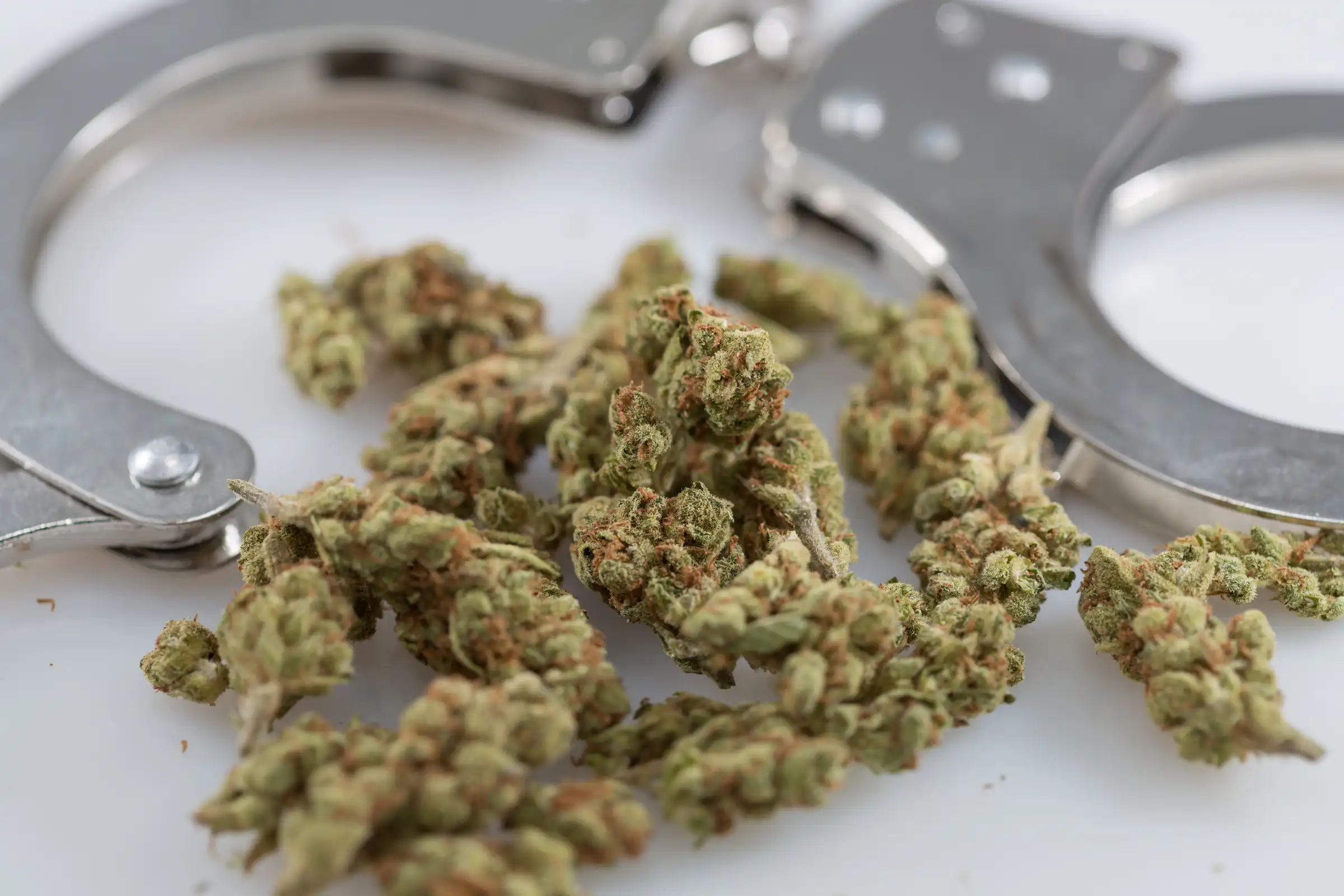
GOP Congressman Running For Florida Governor Admits To Selling Marijuana Despite Opposing Legalization And Sentencing Reform
Florida marijuana legalization isn’t just a ballot line or a talking point—it’s the messy, real-life crossroads where past mistakes and present power collide. And now we’ve got a case study with a pulse. A GOP congressman running for governor admits he once sold small amounts of cannabis, the kind of youthful misstep that haunts some and politely steps aside for others. In a late-night-caliber exchange on air, he said it out loud: he’d made “terrible decisions” as a young man. The confession came during a CBS Miami interview, a camera lens catching the friction between biography and policy. It’s the sort of American paradox you can taste: a redemption story poured over rocks, followed by a legislative cold shower for anyone else trying to climb out of the same hole.
Confession, camera, context
Here’s the texture that matters. The congressman says he got popped in the late ’90s, landed in a pre-trial diversion program, and walked away with a fresh start—exactly the kind of criminal justice valve that spares a life from boiling over. He also says that in Florida, he “faced the music as an adult,” contrasting that with what he framed as leniency for certain young offenders in D.C. Call it a philosophical fork in the road: one path lined with mercy and sealed records, the other fenced off by the impulse to stay tough, tougher, toughest. The political tension isn’t theoretical. He’s opposed a 2024 Florida marijuana legalization ballot initiative and worked to overturn D.C.’s sentencing reforms—moves that sound different when you know the backstory ends with a clean slate and a congressional lapel pin. On Capitol Hill, a Democratic colleague once called out the double standard, essentially asking why the ladder he climbed shouldn’t be left in place for the next kid who trips.
What the record really says
On paper, the man’s cannabis record zigzags like a Miami neon sign in a thunderstorm. He’s backed banking protections and research access. He’s cosponsored sealing for low-level marijuana offenses and a bill to protect gun rights for medical cannabis patients. Then, with the same hand, he’s voted against full federal legalization and against shielding security clearances from the ghost of past marijuana use. It’s a portfolio that suggests a comfort with incrementalism—harm reduction around the edges—while balking at the big swing of nationwide reform. For voters trying to read the tea leaves on cannabis taxation, criminal justice, and the Florida cannabis market, here’s the quick cut:
- Supported loosening restrictions to allow more cannabis research.
- Backed marijuana banking reforms aimed at bringing cash-heavy operators into the financial sunlight.
- Cosponsored measures to automatically seal certain non-violent marijuana records.
- Cosponsored protections for medical cannabis patients’ gun rights.
- Opposed a federal bill to legalize marijuana.
- Voted against an amendment to stop denying security clearances for prior marijuana use.
- Publicly opposed Florida’s 2024 marijuana legalization ballot initiative, favoring legislative action instead.
The bigger map: policy patchwork and shifting ground
Zoom out, and the picture sharpens. Cannabis policy in America is a buffet assembled by fifty chefs who don’t taste each other’s food. A top Republican in Tennessee says that federal rescheduling could pry open the door for medical legalization there—see Top GOP Tennessee Lawmaker Says Federal Marijuana Rescheduling Could Open Door To Legalizing Medical Use In His State—while across the plains, a senator tap-dances around why Nebraska’s not covered by certain federal medical cannabis safeguards, as laid out in GOP Senator Dodges Question About Nebraska’s Exclusion From Medical Marijuana Protections At Federal Level. South Dakota, meanwhile, is still arguing about guardrails for its medical program, and an effort to scrap oversight just hit a wall, documented in South Dakota Bill To Eliminate Medical Marijuana Oversight Committee Fails In Senate Panel. None of this exists in a vacuum. Millions of Americans are already negotiating their own ceasefires with pain, anxiety, and insomnia, sometimes swapping pills for cannabinoids; if that surprises you, start with Millions Of Americans Use CBD As A Substitute For Painkillers And Other Medications, Federally Funded Study Shows. The ground is moving under the Capitol and statehouses alike.
Redemption, reform, and the bill that always comes due
So what do we make of a gubernatorial hopeful who once sold “low-level” weed, escaped the meat grinder thanks to diversion, then turned around to oppose the kind of broad sentencing reform that might have spared someone else? Maybe it’s human. Maybe it’s politics. In the smoky back room where real talk lives, you can hold two truths at once: some people need a second chance, and systems need rules. But another truth sits right beside them: rules without mercy become museums of other people’s regrets. Florida voters will decide how they like their contradictions served—neat, on ice, or not at all—while the national conversation on marijuana policy reform, criminal record sealing, and legal cannabis revenue keeps churning. However the next chapter gets written, one thing’s certain: the past always picks up the check. If you’re curious where premium hemp fits into this evolving landscape, explore our shop at THCAOrder.