



GOP Congressman Dismisses Concerns About Marijuana Rescheduling Delay, Saying Trump Made It ‘Very Clear’ DOJ Must Act
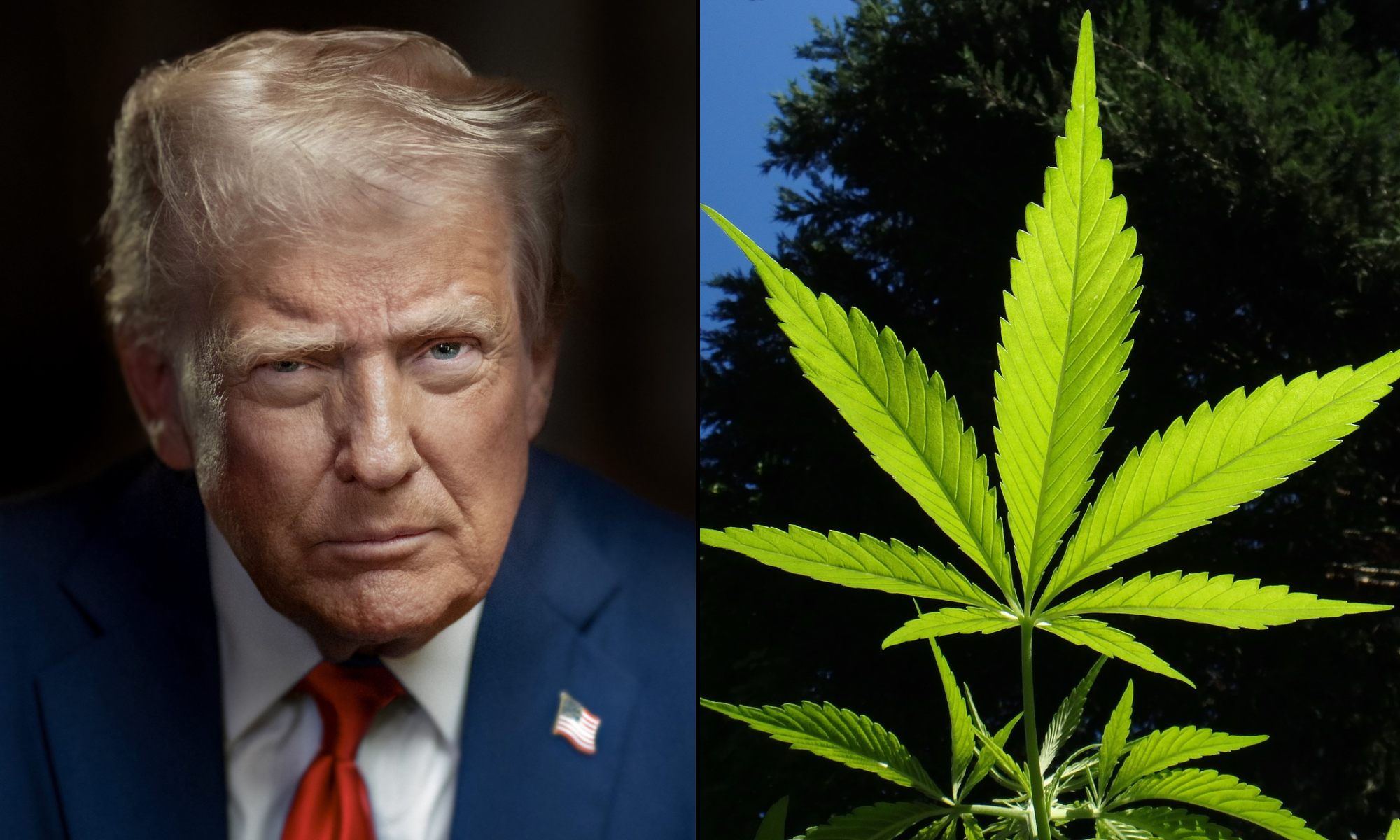
Marijuana rescheduling just got its marching orders—loud, unmistakable, and signed under the glare of Oval Office lights. Rep. Dave Joyce, a Republican with mud on his boots from years in the cannabis-policy trenches, says the directive from the president to move marijuana to Schedule III under the Controlled Substances Act wasn’t a whisper—it was a shout. The Department of Justice, still sphinx-like and silent, may be nursing its doubts, but the message from the Resolute Desk was, in Joyce’s words, very clear.
Translation: study barriers come down, tax shackles loosen, and America’s sprawling patchwork of state-legal markets finally breathes a little easier. Yes, Attorney General Pam Bondi has history—she once stood athwart Florida’s medical marijuana push—but Joyce isn’t sweating a sabotage. Schedule III isn’t legalization; it’s a recalibration. It means researchers can do their jobs without navigating a Kafka maze. It means 280E’s punitive tax rules stop kneecapping compliant operators while the illicit market laughs from the shadows. It means the federal government finally admits this plant doesn’t belong in the same cage as heroin. Late night, strong coffee, straight talk: that’s the energy of this moment.
The bureaucracy can stall, but it can’t hide. The DOJ hasn’t blessed the timeline. The DEA says an appeal process still hangs in the air like the last note of a country song. Congressional researchers even sketched out how a department that didn’t like the order could try to slow-walk it—restart the science, reframe the questions, relitigate the obvious. But politics is a momentum game, and the ball is rolling downhill. On Capitol Hill, the House just stamped its approval on protections for state medical marijuana programs and rejected a move to block the rescheduling push—an underappreciated tell that federal cannabis policy is trending pragmatic. For the bigger picture on that vote, pour yourself a read of US House Passes Bill Protecting State Medical Marijuana Laws And Rejecting Attempt To Block Trump’s Rescheduling Move. The signal is clear: Washington may not be ready to end Prohibition 2.0, but it’s tired of pretending research is impossible and state systems are rogue experiments.
Follow the money, follow the medicine, follow the map. Move cannabis to Schedule III and you’ve just given legitimate operators the dignity of standard deductions and the oxygen of reinvestment. That’s payroll, patient discounts, R&D, and better compliance tech instead of writing checks to appease a relic called 280E. In D.C., where Congress locked adult-use sales behind a rider built for Schedule I reality, reclassification could finally crack the door for regulated storefronts—less backroom hustle, more receipts and IDs. On the banking front, even rescheduling is a useful nudge: it won’t magically turn every banker into a believer, but it strengthens the argument that serving this industry shouldn’t feel like robbing a train. Meanwhile, states keep acting like laboratories with attitude. Florida’s latest play? A move to widen the gates on who gets to compete and who gets to buy, a rebellion against medical monopolies and a nod toward adult-use. If you want the Florida flavor, here’s your amuse-bouche: New Florida Bill Would Legalize Recreational Marijuana And End ‘Monopolies’ In Medical Cannabis With Expanded Business Licensing. The politics will be messy. They always are. But the direction of travel is unmistakable.
Not everyone’s toasting. A bloc of Republican attorneys general insists marijuana belongs right where it is—no accepted medical use, high potential for abuse, end of story. Other GOP lawmakers tried last-ditch letters, warnings, and familiar scare lines. The president shrugged, pointing to the country’s overwhelming support and the obvious medical value seen in clinic rooms and kitchen-table conversations. On the ground, the fight is scrappier, stranger, more human. Ballot campaigns get nasty. Signatures get challenged. Power protects itself. If you want a snapshot of the democracy-in-the-weeds side of this, take a detour to Massachusetts Officials Will Review Complaint That Anti-Marijuana Campaign ‘Fraudulently’ Collected Signatures For Ballot Initiative. The cannabis beat is full of these micro-battles: a precinct here, a precinct there, enough to tip whether patients get safer access, whether entrepreneurs get a fair shot, whether cops spend Saturday nights chasing flower or violent crime. It’s the old American story—markets, morals, and the messy legislature of public opinion.
So what happens next? Expect a rulemaking slog: drafts, comments, bureaucratic throat-clearing. Expect lawsuits, because this is America. Expect the market to price in hope and hedges. But also expect science to stretch its legs. Schedule III makes it easier to test real-world cannabis, not sterile abstractions. That means better data on harms and benefits, and more honest conversations with doctors, policymakers, and parents. We’ve already got promising signals—CBD, for instance, keeps showing therapeutic teeth, including early evidence in oncology. For a sober look at that frontier, see CBD Has ‘Substantial Promise’ To Combat Tumors From Cancer, Scientific Review Shows. None of this is the endgame. Rescheduling isn’t legalization; it’s a flashlight in a dark tunnel and a note that says, Keep going. If you’re ready to explore what’s next with intention and taste, start here: https://thcaorder.com/shop/.