



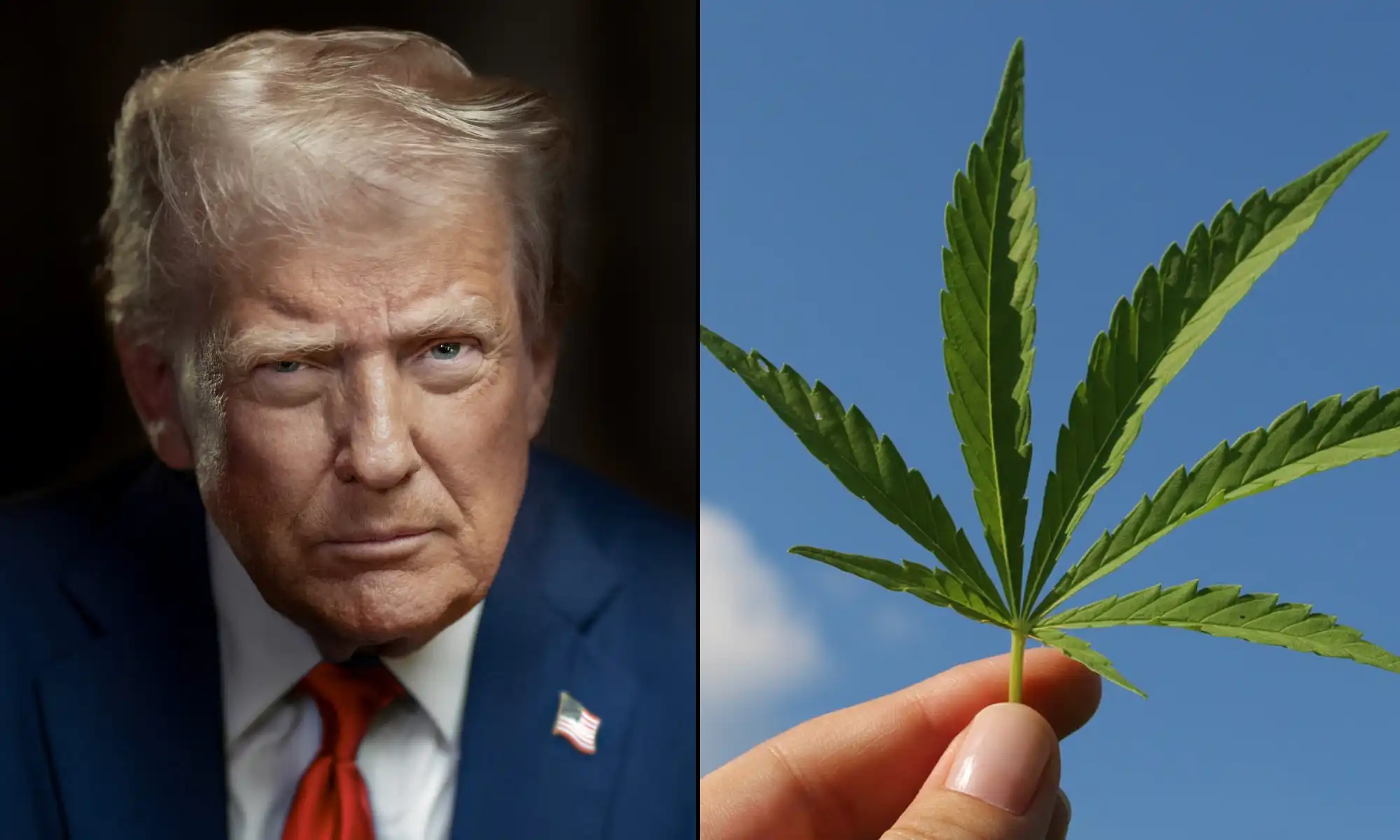
Former White House Drug Czar Says Trump Is Wrong To Reschedule Marijuana, Calling It A ‘Gateway Drug’ That’s ‘Massively Destructive’
Federal marijuana rescheduling, served hot with a side of culture war
Federal marijuana rescheduling is the late-night special that’s got Washington arguing over the check. On one side of the booth, the first White House drug czar, William Bennett, says cannabis isn’t a harmless herb—it’s a gateway, a fog machine for young minds, a bad bet. He admires the president behind the current push but not the push itself, telling Fox’s digital desk that marijuana saps focus and nudges kids toward worse vices. The target of his ire is the administration’s move to shove cannabis down from Schedule I to Schedule III under the Controlled Substances Act—a December executive order that doesn’t legalize weed, but does reclassify it enough to shake the status quo. In Bennett’s telling, this isn’t reform. It’s a dangerous detour. In the White House’s framing, it’s overdue triage, especially for patients and veterans. Both can be true in the messy Venn diagram of American policy, where science, politics, and fear share barstools and swap stories like regulars at closing time.
The gateway ghost vs. the classroom clock
Bennett’s critique is blunt: cannabis clouds attention, especially for youth, and that’s gasoline on a fire already licking at school attendance and graduation rates. The “gateway” label—part cultural artifact, part warning label—still has grip in certain corners of power. But even he concedes marijuana can have some positives; he just argues the ledger runs negative. That’s the paradox at the heart of this fight: a plant that’s medicine to some and menace to others, depending on where you’re sitting, what you’ve seen, and which studies you keep in your back pocket. Step outside the Beltway, and the picture fractures even more. In Oklahoma, for instance, the political current ran hard against a dramatic rollback as legislative leaders snubbed a repeal gambit, a reminder that prohibitionist flashpoints don’t always carry the room—see Oklahoma House And Senate GOP Leaders Dismiss Governor’s Push To Repeal Medical Marijuana At The Ballot for the local flavor of that standoff. The gateway ghost might haunt the rhetoric, but on the ground, voters, patients, cops, teachers, and mayors are jury-rigging reality one ordinance, one clinic visit, one town-hall gripe at a time.
What Schedule III actually changes
Strip away the smoke and the move to Schedule III is a bureaucratic wrench turn with very real torque. It would, if finalized, do three big things without flipping the switch to federal legalization:
- Recognize medical value and make research less of a paper-pushing obstacle course.
- Allow cannabis businesses to deduct ordinary expenses barred by 280E, offering the industry oxygen where it’s been holding its breath.
- Signal a shift in federal posture, even as interstate commerce, banking, and state-level patchwork remain stubbornly unresolved.
The administration has defended the rescheduling bid as part of a pledge to expand medical research and support new treatments, highlighting veterans at the signing ceremony as proof of purpose. For skeptics, this reads like the thin edge of a wedge. For supporters, it’s a sober correction to decades of policy migraine. Bennett’s counter is that America is self-correcting—meaning, in his view, there’s still time to reverse course. The tug-of-war isn’t just over morality; it’s over mechanics, timelines, and whether the Department of Justice can find the cleanest route to a finish line that keeps moving every few weeks.
Process purgatory, Hill drama, and the state-by-state chorus
This is where the sausage is made, or at least slow-simmered. Reports of DEA drafting, DOJ gaming out “expeditious” pathways, and lawmakers floating amendments to stall or spike the change—none of it resolves the core tension: everyone wants clarity, and no one can promise it. Prohibitionist voices insist on caution, even decades-long deliberation. Industry-aligned lawmakers say, fine, but the clock is ticking—and so are tax bills, compliance costs, and research backlogs. Meanwhile, the states keep singing their own verses. Virginia is moving sales blueprints through rival chambers, hashing out a retail future in real time—see Virginia House And Senate Approve Differing Marijuana Sales Legalization Bills, Setting Up Final Votes And Negotiations. In Florida, the fight is procedural and raw, with campaigns asking the courts to put tossed signatures back on the ledger—follow the paper trail at Florida Marijuana Campaign Asks Supreme Court To Restore 71,000 Legalization Ballot Signatures State Officials Tossed. The macro reads like jazz—messy, improvisational, occasionally discordant—but the theme is unmistakable: the center is shifting, whether by rulemaking, referendum, or simple exhaustion with the old script.
Who pays, who benefits, and what happens next
If Schedule III lands, winners and losers will shuffle. Patients would likely see a better research pipeline and, eventually, better-targeted therapies. Businesses could claw back deductions and invest in compliance, quality, and wages instead of shoveling cash into a 280E furnace. States might keep innovating at the edges—or clutch the pearls tighter, depending on who’s shouting loudest at city council this week. Revenue, as ever, is a character in the story: just ask West Virginia, where a lawmaker is trying to put idle medical cannabis dollars to work—see West Virginia Lawmaker Pushes To Allocate Medical Marijuana Revenue That’s Going Unused Amid Federal Law Concerns. Bennett’s hope—that America corrects its mistakes—cuts both ways. Maybe the mistake was the old schedule. Maybe the mistake is pushing too fast. Either way, the bill comes due. And if you’re navigating this evolving map and want compliant options while the policy cooks, our shop door is open: https://thcaorder.com/shop/.