
Feds Defend Decision To Block Companies That Work With Marijuana Industry From Participating In Loan Program
USDA marijuana loan restrictions meet Main Street reality
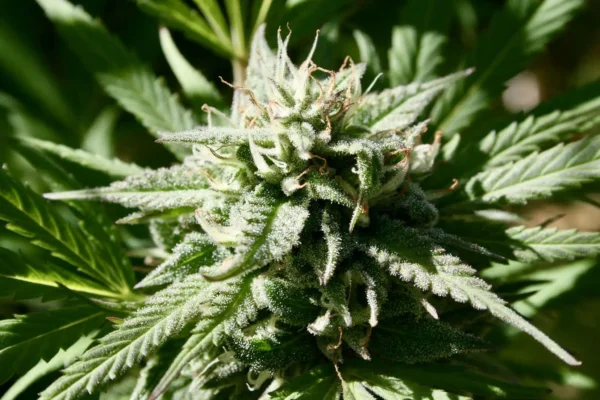
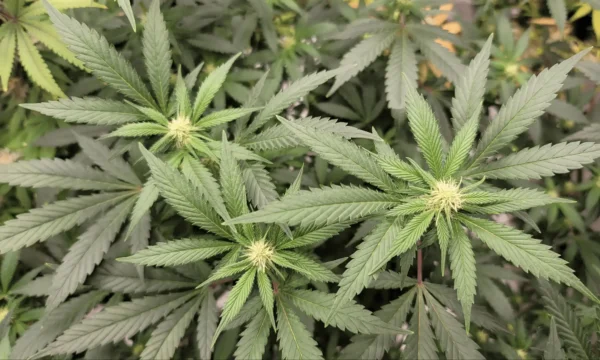
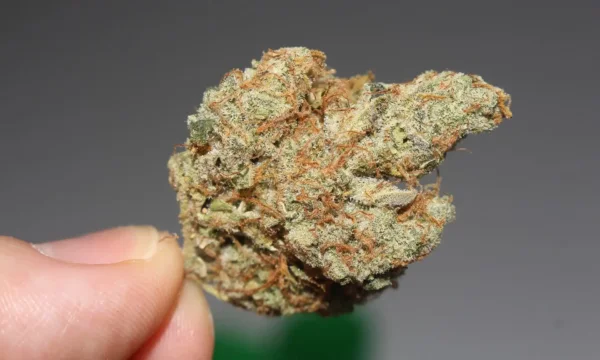
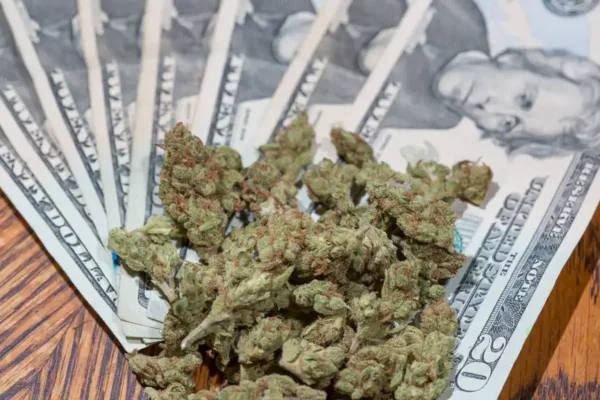
USDA marijuana loan restrictions may sound like dry policy, but out here—where rural diners pour coffee that could strip paint and contractors juggle invoices by the glow of the ice machine—this is blood-and-bone stuff. The federal government has finalized a rule for its OneRD guaranteed loan program that shuts the door on any borrower who gets a taste, even indirect, of income from state-legal cannabis. You lease a corner of your warehouse to a dispensary? Not eligible. Sign a power purchase agreement with a grow that pays the light bill? Also not eligible. It’s another clean slice along the fault line between state legalization and federal prohibition, the kind of cut that doesn’t gush, just quietly bleeds. And it lands hardest in the places OneRD is meant to serve—small towns, utility co-ops, rural main streets—where every dollar of capital is a lifeline and the cannabis economy isn’t some abstract culture war; it’s a neighbor paying rent on time.
The fine print is blunt. Under the Rural Utilities Service’s OneRD rule, a lender cannot work with an entity that derives income from any product deemed illegal under federal law. Marijuana is still a Schedule I substance under the Controlled Substances Act, so even a whiff of cannabis-derived revenue—rent, service fees, electricity sales—can taint a borrower’s eligibility. The agency published its notice, acknowledged that commenters strongly disagreed, and then shrugged in crisp bureaucratese: no change needed. The message was less morality play than mechanics.
If your balance sheet shows income linked to a marijuana operation, you’re out—no matter what your state says or how clean your books look.
That’s the kind of bright line compliance officers love and business owners curse. It creates a perimeter where the regulated industry exists in daylight, while anyone touching it financially steps back into the shadows.
Zoom in on the impact. A rural utility co-op weighing a microgrid project might pass on a lucrative contract because one big client is a licensed grow. A developer in a depressed downtown might leave a vacant unit empty rather than lease it to a dispensary and jeopardize financing. A broadband provider could gatekeep new fiber in an industrial park if a single cannabis tenant threatens its loan eligibility. We’ve been here before: rules drafted in D.C., tidy and tight, that turn messy when they collide with the improvisation of local economies. Meanwhile, the same USDA has spent years trying to stabilize and grow hemp after the 2018 Farm Bill—touting trade committees and export dreams—while a newly enacted federal law now reimposes a ban on most consumable hemp products, kneecapping the sector’s most profitable flank. Add the agency’s marijuana stance to that hemp whiplash and you get a policy menu that looks like it was laminated during a power outage: mismatched, sticky, and hard to read in the dark.
Of course, there’s the big shiny question on the horizon: rescheduling. A presidential directive aims to move marijuana from Schedule I to Schedule III, and the knock-on effects could be seismic, from criminal justice to tax burdens to research. If that shift happens, does OneRD’s hard line soften, or does the bureaucracy insist the ink must dry on a new chapter of the Controlled Substances Act before any rules bend? Politics is already circling the runway. You can feel it in the split-screen coverage, from tough-on-restrictions rhetoric in the heartland to national messaging wars about veterans and illicit markets. For a taste of that narrative battle, see how a political outfit framed rescheduling as a win for patients and a blow to the underground via Group With Ties To Trump-Linked PAC Applauds Marijuana Rescheduling Move In New Ad, Saying It’ll Help Veterans And ‘Destroy’ Illicit Market. Then look to the Midwest, where state-level tug-of-war over marijuana and hemp continues in plain view, with top officials pushing back on ballot Box U-turns in Ohio Governor And GOP Senator Criticize Activists Pushing Referendum To Reverse Marijuana And Hemp Restrictions. OneRD’s stance doesn’t exist in a vacuum; it’s a policy filament glowing inside a much larger lamp.
Layer in healthcare and you get another flavor of contradiction. There’s talk of covering full-spectrum CBD under Medicare for certain patients—an acknowledgment that cannabinoids have a place in medicine—even as federal lending policy treats lawful cannabis revenue like plutonium. States are improvising their own answers. In Florida, lawmakers have floated a small but tangible tweak to the safety net by easing costs and extending certifications for those who served, as sketched in Florida GOP Senator’s Bill Would Expand Medical Marijuana Law By Waiving Fees For Veterans And Making Patient Cards Last Twice As Long. Meanwhile, mature markets are seeing medical rolls shrink as adult-use normalizes, a trend captured in New Jersey Medical Marijuana Program Sees Steep Drop In Registered Patients. For businesses in the blast radius of OneRD, the lesson is cruel but clear: until federal law changes, treat every potential cannabis-adjacent dollar like a live wire. If you’re building, borrowing, or expanding in America’s rural grid and your business plan touches the cannabis economy in any way, be ready with Plan B—and a lawyer who can read both the statute and the subtext. When you’re done navigating the maze and want to exhale, find your calm and explore our selections here: https://thcaorder.com/shop/.