

Federal Budget Leaves Medical Cannabis Patients More Uncertain Than Ever (Op-Ed)
Federal medical cannabis legislation: the toast everyone makes, the meal that never shows up
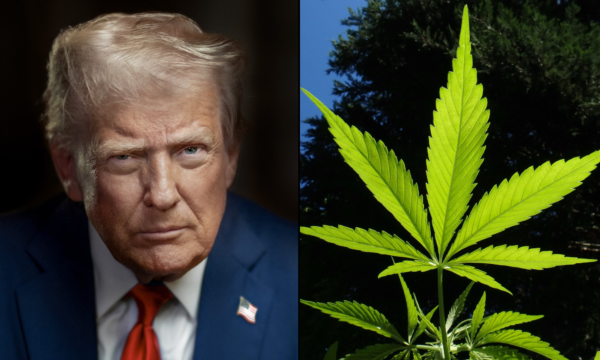
Call it what it is: the House says the lights are on and dinner’s served—95 percent of the government funded, stability for all—but if you’re a medical cannabis patient, you’re still waiting at the bar for a plate that never arrives. The FY2026 budget is another patch on a patchwork, annual riders Scotch-taped to a healthcare reality that refuses to stabilize. The December 2025 executive order from President Donald Trump? Useful as a conversation starter—more research, more interagency nods—but it doesn’t unlock pharmacy counters, shield patients, or instruct doctors to act. Misinformation paints it as a silver bullet. Patients know better. The people most exposed feel the draft first: those depending on hemp-derived medicines, veterans held in the limbo of VA policy, families in newly authorized or underbuilt programs. This isn’t abstract “marijuana policy reform.” It’s the daily math of pain, sleep, appetite, seizures. And it keeps coming up short because there’s still no national medical cannabis framework—no real federal backbone—to carry the weight.
Closing the “hemp loophole” with a sledgehammer
November’s stopgap behemoth, H.R. 5371, did one thing with brute clarity: it redrew hemp and hemp-derived cannabinoid lines to shut down the so-called “hemp loophole.” Regulators got definition. Patients got disruption. Most full-spectrum hemp products—lifelines for people managing seizures, cancer-related symptoms, chronic pain, PTSD, and neurological disorders—are on the chopping block as those provisions take effect this November. A clear statute might please the lawyers, but it won’t calm the mother who finally found a tincture that stops her child’s spasms, now told it’s slipping out of lawful commerce. The Food and Drug Administration, racing a February deadline to catalog cannabinoids and define container limits, can tally molecules and measure bottles all it wants; it’s a technical chore, not a doorway to care. The Department of Justice can revive cannabis rescheduling, but rescheduling alone won’t stand up a clinical program, write standards of care, or pay for treatment. Without comprehensive federal guardrails—safety, dosing, labeling, interoperable access—these are administrative adjustments on a rickety bridge.
Veterans, Nebraska, and the tyranny of “temporary”
You’d think the country could agree on this much: let VA clinicians talk to veterans about medical cannabis where it’s legal and medically appropriate. Instead, the final VA language kept the muzzle on, yet again. Providers still can’t recommend or even assist with enrollment in state programs. Veterans living with chronic pain, traumatic brain injury, or PTSD remain stranded between policy memos and the pharmacy window, navigating a gray market without clinical support. Meanwhile, the Commerce-Justice-Science rider protecting state medical programs survived—good—but it’s an annual cliff, not a foundation. Ask Nebraskans how safe that feels; despite voters approving medical cannabis in 2024, the state got left off the protection list this time around. That omission isn’t just a drafting quirk; it’s a message that patient protections can still get lost in the shuffle. While Congress dithers, states try to humanize the front lines. Consider the humane pragmatism behind Colorado Senators Advance Bill To Allow Medical Marijuana Use By Terminally Ill Patients In Health Facilities Such As Hospitals. That’s what compassion looks like when Washington shrugs.
Small wins, slow lanes, and the clock that keeps ticking
There are hints of movement around the edges of federal healthcare, and they matter, even if they won’t carry the day. The Centers for Medicare & Medicaid Services floated rules that could let certain non-cannabinoid hemp products and some state-legal cannabis goods be reimbursed under SSBCI for people with chronic illness. It’s not sweeping, but for seniors and the seriously ill, it could mean actual help with costs—if facility policies, insurers, and providers line up, and that’s a big if. Context helps: see the reporting on how a Federal Agency Finalized Rule For CBD Medicare Coverage Pilot Program Weeks Ago, Key Hemp Stakeholder Says. Pilot programs are the neon signs on a dark highway—useful for bearings, not the destination. Elsewhere, policymakers are probing the boundaries of care with a wider lens, as in Maryland Senators Weigh Bill To Extend Psychedelics Task Force Through 2027. The message is the same: people are hurting now, and they need options that don’t vanish at the stroke of a pen or the end of a fiscal year.
What stability actually looks like
Stability isn’t an annual rider or a press release about “95 percent funded.” Stability is Congress passing comprehensive federal medical cannabis legislation that says, with a straight face and a signed statute, that cannabis-based therapies belong in modern healthcare. It empowers HHS to set standards, funds real oversight, protects patients and providers, harmonizes VA policy with state law, and gives hospitals, hospices, and long-term care facilities a lawful, clinical pathway to treat people with dignity. States can sprint ahead—Virginia Marijuana Sales Legalization Bill Moves To Senate Floor Vote, Teeing Up Negotiations With House—but the patchwork won’t transform into a healthcare system until Congress shows its face. Patients can’t plan around cliffhangers. Providers can’t practice medicine by calendar. As one advocate put it, treat the medicine like a lifeline, not an afterthought
. Until then, the late-night conversation over a stiff drink keeps circling the same truth: people don’t need speeches—they need access. And if you’re ready to explore compliant, high-quality options today, take a look at our shop: https://thcaorder.com/shop/.