
Federal Agency Finalized Rule For CBD Medicare Coverage Pilot Program Weeks Ago, Key Hemp Stakeholder Says
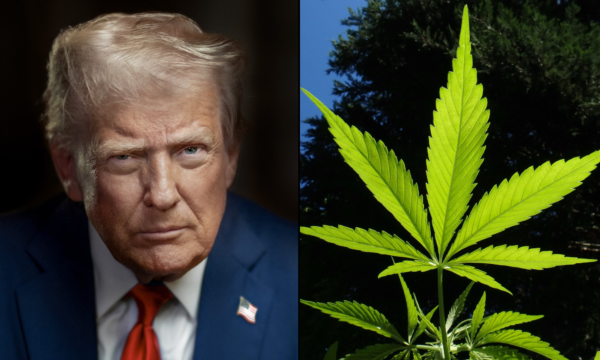
CBD Medicare coverage just left the realm of rumor and walked into the fluorescent glare of federal policy—or so the people in the room say. In the aftershock of an executive order pushing marijuana rescheduling to Schedule III, the Centers for Medicare & Medicaid Services quietly moved a different chess piece: a CBD Medicare coverage pilot that insiders say has been finalized behind closed doors, with an April launch window looming. On a recent industry webinar, a co-founder of Charlotte’s Web said the CMS Innovation Center signed off on the rules two weeks ago. The headline for patients is simple, if ambitious: hemp-derived cannabidiol, on the table through federal health insurance. The fine print, as always, complicates the meal.
The agency isn’t shouting from the rooftops, but its own model pages sketch the contours. Under the Long-term Enhanced ACO Design (LEAD) Model and adjacent pilots like LEAD, ACO REACH and the Enhancing Oncology Model, CMS describes a “Substance Access” incentive that lets participating providers talk with patients about eligible hemp products—and even dispense them. But there’s a twist that tastes like hospital coffee: CMS says any related dispensing gets funded by the model participant, not by the agency. That clashes with public promises of “no charge” CBD for Medicare patients if recommended by doctors. Maybe that’s the prelude to the pilot, maybe it’s the pilot’s guardrails. Either way, it’s government sausage being made—equal parts policy ambition and compliance grit—arriving with strict safeguards, state-law limits, and the perennial demand for receipts.
Still, the direction of travel is unmistakable. If CMS blesses hemp-derived CBD under defined indications—chronic pain tops the chatter, oncology-related symptoms loom large—then the cannabinoid finally steps out of the supplement aisle and into the clinic’s fluorescent triage. That means dosing protocols, labeled expectations, and real risk mitigation, not anecdotes whispered between neighbors over the fence. Responsible companies will get rewarded; sloppy labels and mystery bottles will not. And the access story won’t live in a vacuum. States already test the limits of medical integration—see Colorado Senators Advance Bill To Allow Medical Marijuana Use By Terminally Ill Patients In Health Facilities Such As Hospitals—and a Medicare pilot would force hospitals, ACOs, and oncologists to decide whether they’re ready to chart CBD in the same electronic records where opioids and antiemetics already live. That’s the difference between a fad and a formulary.
Politics, of course, keeps the pot simmering. The executive order’s push to reschedule cannabis to Schedule III is framed as a research unlock, not legalization—a bureaucratic key to open doors that should’ve never been locked. Medicare Advantage carriers reportedly eye CBD for their 34 million enrollees. But legality still rides shotgun: only hemp-derived, federally lawful products, in states where they’re legal, make the cut. Meanwhile, state markets grow up fast and messy, and lawmakers hustle to refine them. Watch Virginia’s cautious march toward retail sales in Virginia Marijuana Sales Legalization Bill Moves To Senate Floor Vote, Teeing Up Negotiations With House. On the hemp side, Congress flirts with loosening the screws as agriculture and wellness collide—see the reform currents in New Farm Bill Released By GOP Committee Chair Aims To Reduce Hemp Industry ‘Regulatory Burdens’. Thread it together and you get a map: federal pilots, state experiments, and a supply chain angling for clarity instead of constant patchwork.
What does it mean on the ground? If the CBD Medicare coverage pilot lands as advertised, oncology clinics might pilot standardized cannabidiol for nausea and pain. Seniors wrestling with sleepless, nerve-chewed nights could see a covered alternative before the opioid sample drawer slides open. The winners will be patients who get transparent products and consistent dosing; providers who document well; carriers that navigate state lines without tripping; and manufacturers who treat labels like contracts, not suggestions. The losers? Anyone betting on the gray market, or on politics that swings like a wrecking ball between crackdowns and clemency—remember the whiplash of Trump Pardons Former NFL Star Convicted Of Trafficking 175 Pounds Of Marijuana. For now, pull up a stool and watch the counter fill: rescheduling talk on one burner, a CBD pilot on another, and the clatter of hospital trays in between. When you’re ready to explore compliant, high-quality options for your own ritual, step into our kitchen and shop.