



Delaware Lawmakers Approve Bill To Decriminalize Public Marijuana Use And Remove Threat Of Jail Time
Delaware public marijuana use decriminalization just got a pulse and a backbone. In a state that legalized cannabis but still kept a back-pocket threat of jail for lighting up outdoors, lawmakers voted 9–5 to push HB 252 forward, stripping the cuffs from what should’ve always been a ticket. The proposal swaps criminal penalties for a civil infraction—$50 for the first offense, $100 after that. It’s a small number with big consequences, the kind of quiet fix that keeps people employed, housed, and together with their families instead of getting tossed into a system for a smoke on the sidewalk. Compared to peers where “public consumption” often means a citation, Delaware was the outlier—legal on paper, punitive in practice. HB 252 closes that gap and brings the First State closer to the common-sense center of marijuana policy reform.
What the bill actually does—and why it matters
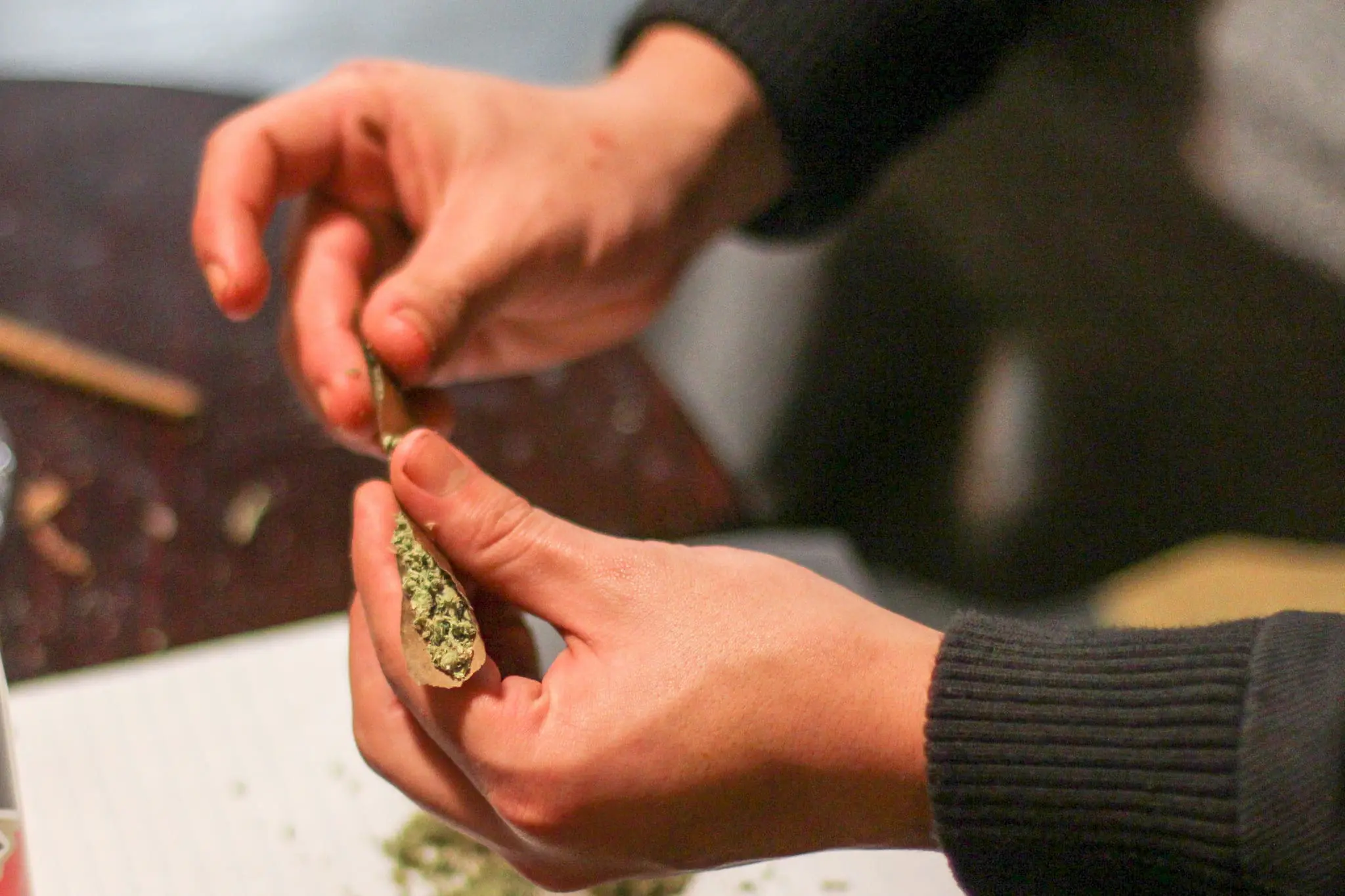
Lawmakers didn’t suddenly decide public consumption is fine. They decided the penalty should fit the offense. Rep. Eric Morrison framed it as a reality check: the state decriminalized cannabis, so its response to public consumption should reflect that. Civil, not criminal. That distinction sounds technical; it’s not. Criminal records follow people. They worm into job interviews, rental applications, and child custody hearings. A civil fine stings; a criminal record stains. Advocates also note the inconsistency: public tobacco smoke triggers a civil ticket, while public cannabis use—yes, even outdoors—could mean a mugshot. The Marijuana Policy Project has been urging lawmakers to bring these penalties into alignment, arguing secondhand tobacco smoke is more dangerous than cannabis smoke and that legalization’s core promise is to stop ruining lives over weed. Morrison’s bill does exactly that, while making crystal clear the state isn’t endorsing street-side sessions.
- Current status: Delaware stood alone as a legalization state still threatening jail for public cannabis use.
- HB 252 penalty change: Civil infraction—$50 first offense; $100 for repeat offenses.
- Intent: Keep public spaces orderly without branding people criminals.
This isn’t a green light to spark up wherever. It’s an overdue correction to stop turning a petty nuisance into a life-altering record.
For those who want to read the bill text, HB 252 sits in the state database with its brass tacks on display, and committee testimony captured the pragmatic mood: fix what’s broken, don’t start a wildfire. You can also review the sponsor’s remarks from the hearing and the advocacy push that highlighted the mismatch with tobacco penalties.
A young market grows up
Delaware’s adult-use market is still early in its arc. The sales launch arrived with both promise and friction—early retail days brought strong demand and a quick clip of revenue, while some advocates grumbled that existing medical operators got a head start. The rollout hasn’t been sleepy: regulators have been spinning up lotteries, drafting rules, and trying to stand up a system with just three counties and a whole lot of pent-up curiosity. If you want a snapshot of where the market is headed, follow the licensing math: the state expects to issue 125 licenses in total once the system matures. That’s a full cast list for a small state—enough to seed competition, quality, and access, but structured to keep things from turning into a free-for-all carnival. None of that works if public consumption rules remain out of whack with the broader legalization framework. You can’t tell people the plant is legal and then haul them in for a toke near a park bench. HB 252 aligns the street-level experience with the storefront reality.
- Retailers: 30
- Cultivators: 60
- Manufacturers: 30
- Testing labs: 5
Meanwhile, lawmakers are also considering compassionate-use changes—like allowing terminally ill patients to use medical cannabis in hospitals and care facilities. Taken together, these moves signal a system maturing from “legalize and launch” to “tune and humanize.” The economy cares about this, too. Civil penalties reduce friction between residents and law enforcement, ease court burdens, and normalize the presence of a legal industry the state is busy building. It’s not just policy; it’s plumbing.
The national drumbeat, in four beats
Delaware’s recalibration isn’t happening in a vacuum. The national tempo is shifting, sometimes chaotically, sometimes with the steady click of an old metronome. At the federal edge of the map, a former U.S. attorney general says the DEA is moving fast on rescheduling—see DEA Is ‘Drafting’ Rule To Reschedule Marijuana ‘ASAP,’ Trump’s First Pick For Attorney General Says. In statehouses where the ground is less firm, rescheduling talk is already reshaping the politics: Top GOP West Virginia Lawmaker Says Trump’s Marijuana Rescheduling Order Could Bolster Push For State Legalization. On the other end of the map, voters in small, flinty places want a say: New Hampshire Lawmakers Take Up Bill To Let Voters Legalize ‘A Modest Amount’ Of Marijuana At The Ballot This November. And in the medical trenches, advocates still fight to keep patient protections intact—Nebraska’s debate shows how fragile progress can be: Nebraska Bill Would Let Medical Marijuana Regulators Remove Patient Protections, Advocates Say. Viewed together, these threads explain why Delaware’s move matters: the country is negotiating the boundaries of legal cannabis in real time. Every tweak—from civil fines to patient rights—adds up to the culture we actually live in.
Where this goes next
HB 252 still has floors to cross and signatures to chase, but the logic is baked in: legal markets need proportionate rules. If this bill becomes law, Delaware will swap a confusing contradiction for clear, enforceable expectations. Police write tickets. People pay fines. The courts stay focused on real crimes. And the legal cannabis market grows without the shadow of outdated punishment. In the meantime, residents should keep it respectful—private spaces, designated areas, a nod to neighbors who want their air as clean as their conscience. That’s the social contract of legalization. For the paper trail, you can read the bill in the state’s legislative database and watch the committee hearing that pushed it forward. The rest is civics: show up, comment, vote, and keep the pressure on for policies that reflect reality, not nostalgia. If you’re tuning your own relationship with the plant as the rules evolve, explore responsibly—and when you’re ready, browse our curated selection here: https://thcaorder.com/shop/.