



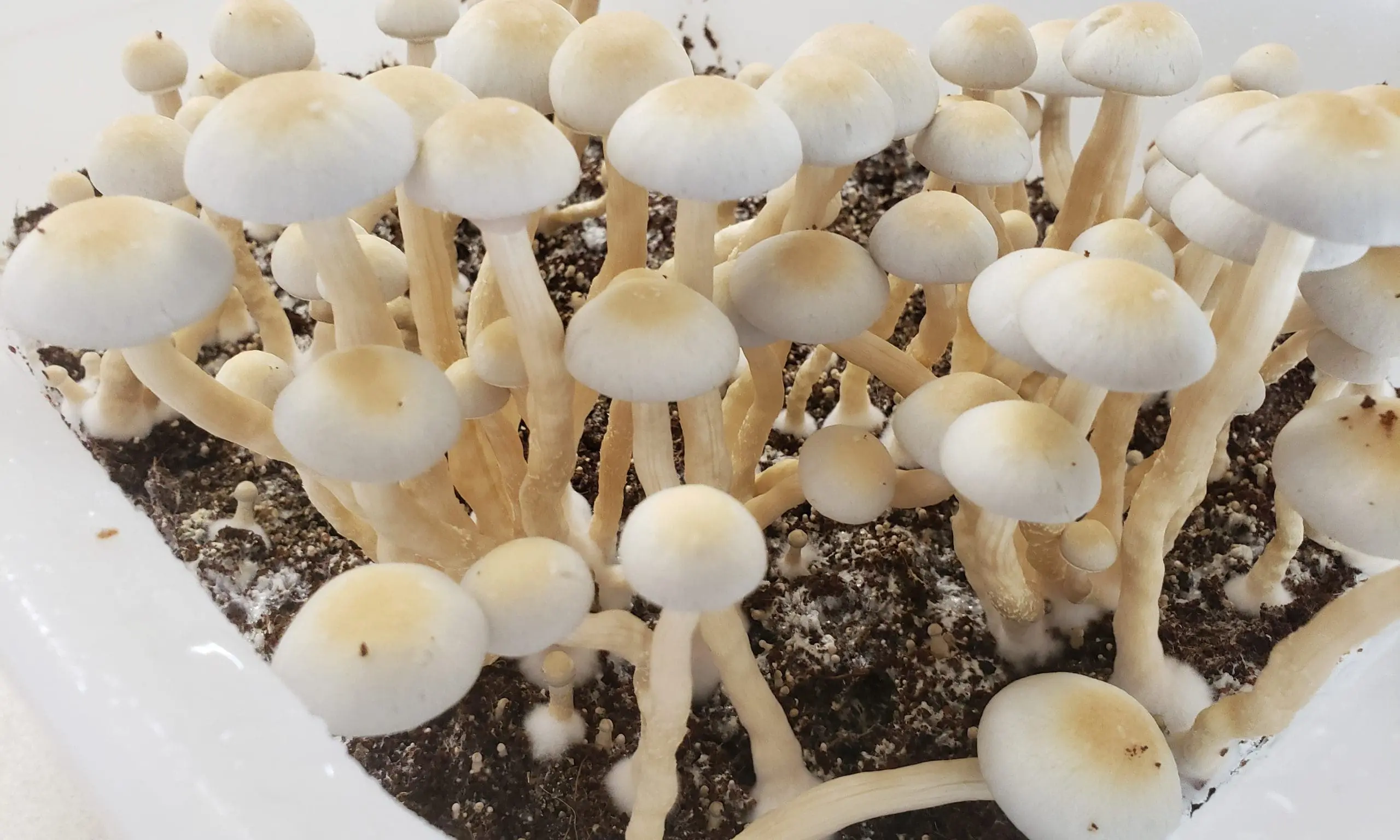
DEA Boosts Legal Production Levels For Psychedelics Like Psilocybin And DMT In Final Rule For 2026
DEA Psychedelics Production Quotas 2026: a bigger pour for psilocybin, psilocyn, and DMT
Call it a bigger pour from the most buttoned-up bar in Washington: the DEA psychedelics production quotas 2026 just went up—again. In its final rule, the agency quietly turned the spigot, raising legal production levels for psilocybin, psilocyn, and DMT to feed federally sanctioned research into PTSD, depression, and whatever healing might be coaxed from compounds long kept behind velvet ropes. It’s bureaucracy doing what bureaucracy does—numbers, notices, Federal Register footwork—but the consequences smell like lab glassware and hope. Not legalization. Not yet. But more raw material for real science, and that matters.
What actually changed—and by how much
DEA’s final quotas show a clear tilt toward psychedelic therapy research, with several eye-catching jumps from last year and even from the agency’s initial 2026 proposal. The highlights:
- Psilocybin: 50,000 grams in 2026, up from 30,000 last year and 40,000 in the initial 2026 rule.
- Psilocyn: 80,000 grams, a leap from 36,000 in 2025 and 48,000 in the initial 2026 plan.
- DMT: 25,000 grams, up from 20,000 last year.
- 5-MeO-DMT: 30,000 grams, nearly triple last year’s 11,000 and light years from the 35-gram quota in 2021.
- Methylone (an MDMA-like compound): 30,000 grams, up from 5,200 in recent years—and just 40 grams back in 2021.
Other 2026 quotas—cannabis, THC, ibogaine, MDMA, LSD, mescaline—were left unchanged from last year. That’s the tell. Psychedelics, especially the short-acting and easily standardized ones, are where the research machine is revving right now.
Why the DEA nudged the numbers upward
In the dry language of rulemaking, DEA credited “public comments,” projected research demand, and input from federal health agencies for the higher caps. Translation: the clinical pipeline is hungry. Sponsors are lining up protocols, IRBs are sharpening pencils, and FDA-grade studies need tightly controlled supply. Under the Controlled Substances Act, the feds set annual aggregate production quotas for Schedule I and II substances. It’s mundane until you remember that every gram has to justify itself—study by study, vial by vial. The final rule frames it plainly:
These quotas reflect the quantities necessary to meet estimated medical, scientific, research, and industrial needs, lawful export requirements, and reserve stocks for the United States.
For researchers, that means fewer supply bottlenecks and more chances to answer urgent questions: Can psilocybin shorten the half-life of despair? Can DMT reset the circuitry that trauma scrambled? The updated quotas don’t pick winners, but they do create room for larger, more rigorous trials and quality-controlled manufacturing. The agency’s final blueprint is posted for anyone chasing footnotes and fine print: see the Federal Register notice here: Established Aggregate Production Quotas for Schedule I and II Controlled Substances.
The ripple effects across drug policy
Here’s the twist: even as psychedelics quotas climb, cannabis-related numbers didn’t budge. That’s partly because the marijuana story may be migrating to a different shelf. If rescheduling to Schedule III moves forward at the Department of Justice, marijuana would exit the ritual of annual Schedule I quota-setting entirely, shifting the regulatory gravity of the U.S. cannabis market. Politics, predictably, is circling that campfire. For a snapshot of how money and momentum gather before a policy pivot, see Marijuana Industry Political Committee Gave Another $1.05 Million To Trump’s Super PAC Ahead Of Rescheduling Order, FEC Filings Show. Meanwhile, the courts are reshaping edges of the map—gun rights for cannabis consumers, for one—watch the docket here: U.S. Supreme Court Schedules Hearing In Case On Marijuana Consumers’ Gun Rights. States? They’re running their own experiments in public view: New York’s regulated market is posting real receipts, as in New York Officials Tout $2.5 Billion In Marijuana Sales, Expansion Of Licensed Businesses And More Since Adult-Use Legalization, while others tinker with possession limits and regulatory plumbing—see Massachusetts Bill To Double Marijuana Possession Limit And Revise Regulatory Framework Heads To Conference Committee. Policy never moves in a straight line. It lurches, improvises, and contradicts itself. This year is no exception.
What to watch next
This quota bump won’t legalize psychedelics. It won’t erase stigma. It won’t stop the internet from calling everything “medicine” after a weekend in the desert. What it will do is grease the rails for controlled, peer-reviewed science—the kind that could pry open FDA pathways for psilocybin or DMT-based therapies targeting PTSD, depression, and other hard-nosed diagnoses. Expect more manufacturing registrations, stricter quality controls, and a busier calendar of Phase II and III trials. Expect, too, a culture clash as ancient molecules meet modern drug development: IP battles, payer questions, clinical protocols, set and setting rendered into SOPs. And remember, quotas can go down as easily as they go up if demand or policy shifts. For now, though, the lab lights are on late, the scales are calibrated, and the story is moving. If you’re curious where this evolving landscape meets compliant, high-grade options today, take a look at our shop: https://thcaorder.com/shop/.