




Congresswoman Pushes Trump’s New Drug Czar To Back Full Marijuana Legalization And Follow ‘Science, Not Stigma’
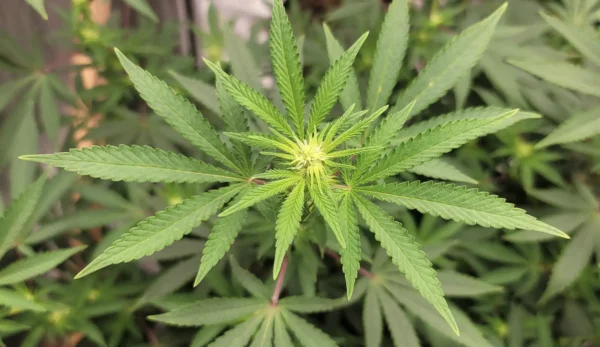
Federal marijuana legalization just got a jolt, the kind that makes the room go quiet and the ice clink louder in your glass. In D.C., where policy is often cooked like overdone steak, Rep. Dina Titus is telling the new White House drug czar to follow the science, not the superstition. The marching orders from the Oval Office have already nudged cannabis toward Schedule III, a bureaucratic halfway house that promises research but not full freedom. Titus is pushing further: deschedule it, dismantle the stigma, and stop pretending America’s cannabis future can be managed with one eye shut. This is cannabis policy reform in the raw, where phrases like ‘bipartisan issue’ and ‘evidence-based’ ride shotgun with an older truth: the market is here, the people are watching, and the federal government is late to its own party.
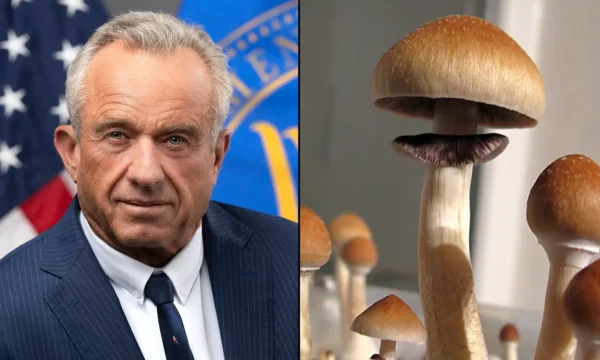
At the center sits a relic of the drug war’s old religion: a statutory gag rule that tells the Office of National Drug Control Policy to oppose legalization, full stop. Titus wants it gone. That’s the engine of her Evidence-Based Drug Policy Act, a clean break from the days when data took a backseat to fear. Descheduling, not rescheduling, is the point: remove cannabis from the Controlled Substances Act entirely and admit the obvious. The new ONDCP director, a former journalist who’s said she supports medical marijuana and doesn’t ‘have a problem’ with legalization, now holds a lever that matters. Advisory power isn’t everything, but it’s not nothing. If the director is free to acknowledge what the numbers and the labs already show, the federal government can finally talk about cannabis like adults: potency standards, contamination enforcement, impaired driving science, youth prevention that isn’t moral panic, and pathways to a regulated national market.
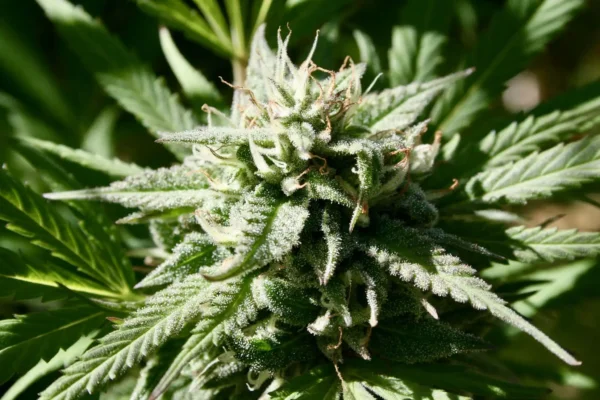
Of course, nothing in Washington moves without friction. The Senate confirmed the drug czar in a vote that broke mostly along party lines, a reminder that even ‘bipartisan’ issues get ground down by tribal loyalties. Still, the rescheduling order has set a tempo. Schedule III would open the vault for more research and ease some tax chokeholds, but it won’t fix banking deserts, interstate commerce, or the criminal records still ghosting people’s lives. The new director has signaled she’ll keep ‘all options’ on the table and let data lead. Good. Because the stakes aren’t theoretical. In the real world, illicit grows don’t card, test, or label. They spread pesticides in the dark and dump runoff into streams. Regulated markets, when they’re allowed to function, do what prohibition can’t: trace supply, enforce recalls, and beat the black market on consistency.
Zoom out, and the map tells a cleaner story than Congress does. States are improvising a national blueprint, one experiment at a time. Hawaii is leaning into democracy’s simplest instrument, letting voters weigh the question head-on in Top Hawaii Lawmaker Previews Bill To Let Voters Decide On Marijuana Legalization At The Ballot. New England, pragmatic and proud, keeps sanding down old edges with New Hampshire House Passes Bills To Legalize Marijuana And Let Dispensaries Convert To For-Profit Status. In the South, patients are demanding dignity, which is why Florida lawmakers floated New Florida Bill Would Protect Medical Marijuana Patients’ Parental Rights, Including Custody And Visitation. And the culture? It’s moving too. People are rethinking their vices and virtues, choosing what to quit and what to keep, as captured in More Americans Want To Quit Using Alcohol And Tobacco Than Marijuana In 2026, New Year’s Resolution Poll Finds. Put together, that’s a country already living in a post-prohibition reality while federal law pretends it’s still 1988.
So here’s the test for the new drug czar and the White House: embrace science without flinching. Support descheduling. Replace the old gag rule with a mandate to measure what matters: public health outcomes, contamination rates, impaired-driving trends, youth usage patterns, and the documented economic upside of legal cannabis revenue. Then do the boring, essential work of aligning federal rules with the regulated marketplaces the states have already built: research access without red tape, banking that doesn’t require a security detail, interstate commerce that kneecaps illicit trafficking, and a clear signal to investors, patients, and consumers that the era of mixed messages is over. If federal marijuana legalization is the destination, the route is obvious. Now it’s about courage, not choreography. And if you’re ready to explore what’s next, you can start right here with a quiet browse and an open mind: https://thcaorder.com/shop/.