


Congress Should Delay The Federal Hemp Ban And Instead Enact Regulations For THC And CBD Products (Op-Ed)
Federal hemp ban delay is the kind of fight you taste on the back end—sharp, necessary, and overdue. Picture a farmer in April, fingers numb from the last stubborn frost, dropping seeds into soil on a promise that Washington won’t yank the rug in November. That’s the clock. That’s the gamble. And as an op-ed in Rhode Island Current lays out, Congress is flirting with a ban-first, study-later approach to hemp-derived products—an old habit dressed in new panic. This isn’t culture war; it’s agriculture. It’s evidence versus fear, science versus grandstanding, the cannabis policy equivalent of ordering a steak well-done and pretending that’s sophistication. If lawmakers want a real conversation about hemp-derived cannabinoids, CBD and THC regulation, and the U.S. hemp industry, they need to buy time, not light the field on fire.
Delay isn’t surrender—it’s the prep work good policy requires
Two bipartisan bills put a sensible brake on the cliff. In the Senate, S.3686—backed by Amy Klobuchar, Rand Paul, and Jeff Merkley—would hit pause on the impending federal prohibition for two years. In the House, H.R. 7010, led by Jim Baird and bipartisan co-sponsors, mirrors that delay. This isn’t a green light for anything new; it’s a chance to write rules that match the marketplace. Meanwhile, the HEMP Act (H.R. 7212) steps in with a federal framework: clear safety standards, honest labeling, real enforcement authority, and potency limits by product type. Think per-serving and per-package caps dialed to reality, not hysteria—so a gummy isn’t a roulette wheel, an inhalable isn’t a dare, and a topical is just that. The thread running through all of it is evidence—especially as federal researchers finally gear up to use big health datasets to understand outcomes. That dovetails with recent movement at the agency level, explored in Federal Agency Finalized Rule For CBD Medicare Coverage Pilot Program Weeks Ago, Key Hemp Stakeholder Says, where a Medicare-linked pilot could help answer the questions policymakers claim to care about.
Farming runs on calendars, not press releases
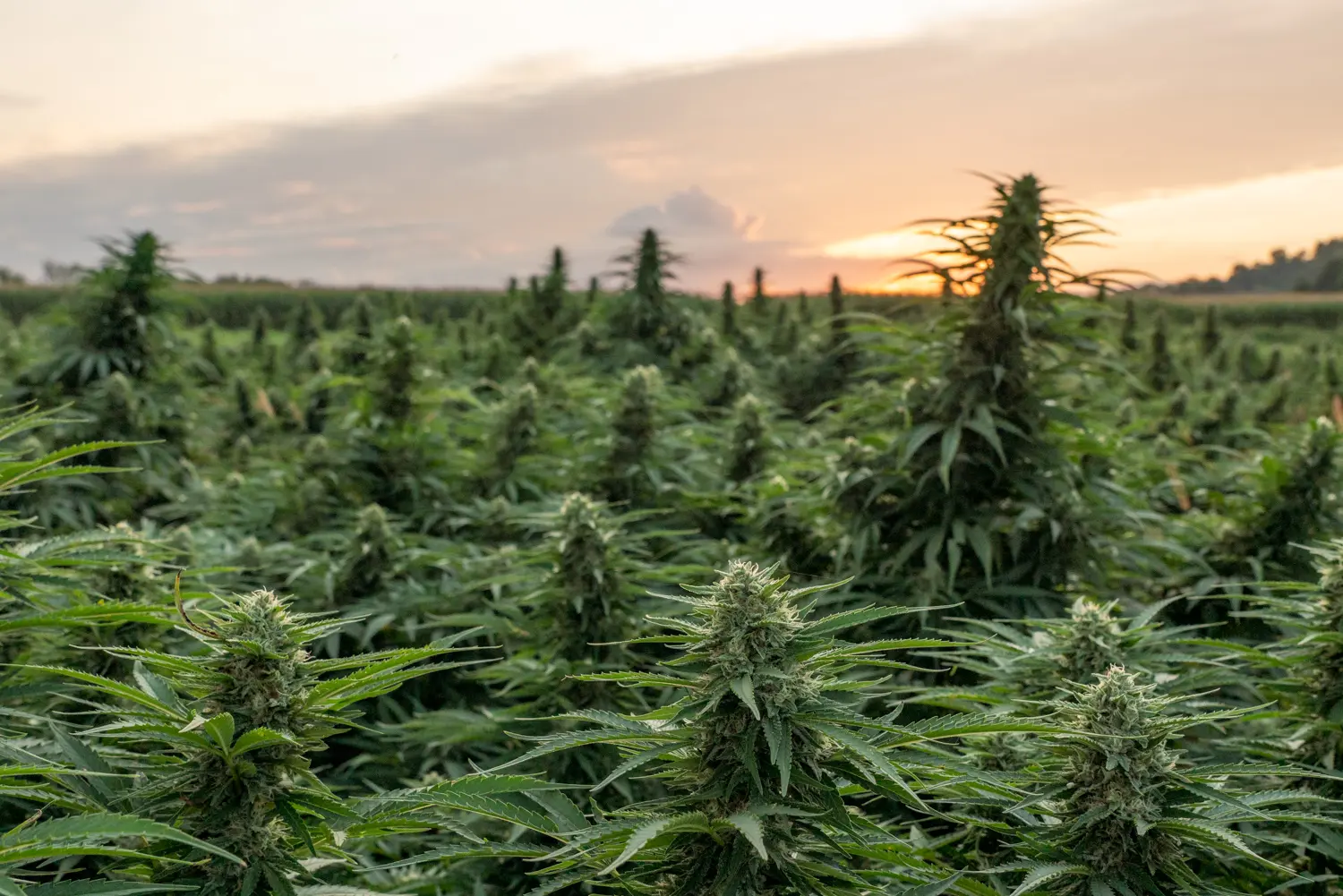
Here’s the raw, unsexy truth: Seeds go in the ground in April. You fight weeds and weather all summer. You harvest in October. If federal prohibition slams into place in November, you’ve already burned a season’s cash, labor, and compliance—no receipts, no refunds. You can’t un-plant. And uncertainty has a body count in small business. Every time Congress flirts with prohibition without a regulatory parachute, farms close, lenders tighten, and processors freeze. We’re not just talking about boutique brands and weekend market stands; we’re staring at a domestic industry pegged at roughly $30 billion and north of 300,000 jobs. Kill it here and the demand won’t vanish—it’ll drift to imports from places where U.S. regulators have less visibility and consumers have fewer protections. That’s the opposite of consumer safety. It’s also a familiar script for patients and caregivers who live between policy whiplash and pharmacy shelves—see the cautionary mood in Federal Budget Leaves Medical Cannabis Patients More Uncertain Than Ever (Op-Ed). The stakes here aren’t abstract; they’re payroll, rent, and the next crop cycle.
Regulation beats prohibition—ask the states already doing the work
The loudest objections to hemp-derived products—labeling gaps, potency creep, underage access—are arguments for standards, not sledgehammers. Rhode Island already regulates hemp products. Age gates, ingredient transparency, serving caps, and enforcement teeth are available tools, state by state, while Congress lines up a national framework. We’ve seen this rhythm elsewhere in drug policy: cautious, deliberate, and rooted in data. Maryland’s willingness to study before charging ahead—captured in Maryland Senators Weigh Bill To Extend Psychedelics Task Force Through 2027—echoes the same approach hemp needs now. And when lawmakers prioritize patient dignity over fear, policy finds its spine; just look at the humane pragmatism behind hospital access for the gravely ill in Colorado Senators Advance Bill To Allow Medical Marijuana Use By Terminally Ill Patients In Health Facilities Such As Hospitals. None of this is radical. It’s the work of drawing lines where they belong and enforcing them like adults.
Congress has the map—now it needs the nerve
There’s a rare, bipartisan lane here: delay the federal hemp ban, build the rulebook, and let the science catch up to the storefront. The 2025 executive order expanding federal cannabis and CBD research—including the use of Medicare datasets—was a tacit admission that we need answers before injunctions. Pair that research infrastructure with the HEMP Act’s product-by-product clarity, and you get a living system: rigorous testing, transparent labels, verified potency, real penalties for cheaters, and a legal supply chain that keeps farmers planting and consumers protected. Rhode Island’s own delegation has already split on this once; they, and their colleagues across the aisle, can still pick the better road by cosponsoring S.3686 in the Senate and H.R. 7010 in the House. Do it not because it’s easy, but because it’s right: regulation over prohibition, evidence over panic, and American fields over foreign imports. If you care about smart cannabis regulation, safe products, and a legal market worth defending, keep the delay alive—and if you’re ready to support compliant hemp while the rules get written, explore our curated selections here: https://thcaorder.com/shop/.