
Colorado Officials Weigh Changes To How Marijuana Is Sampled For Testing To Help Avoid Fraud
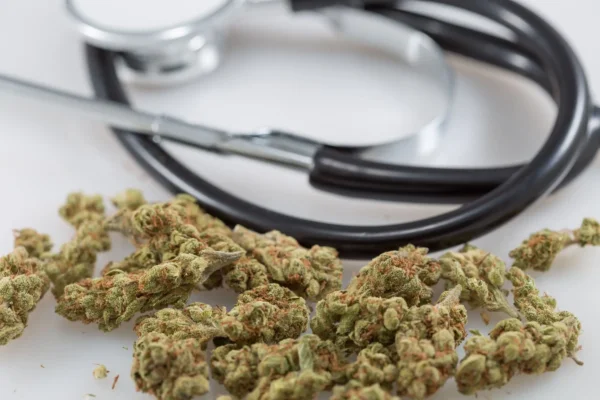
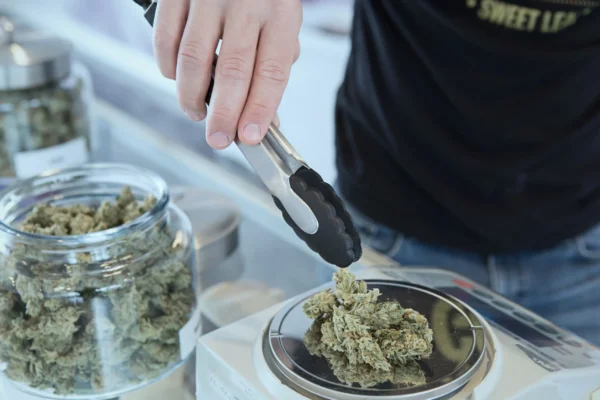
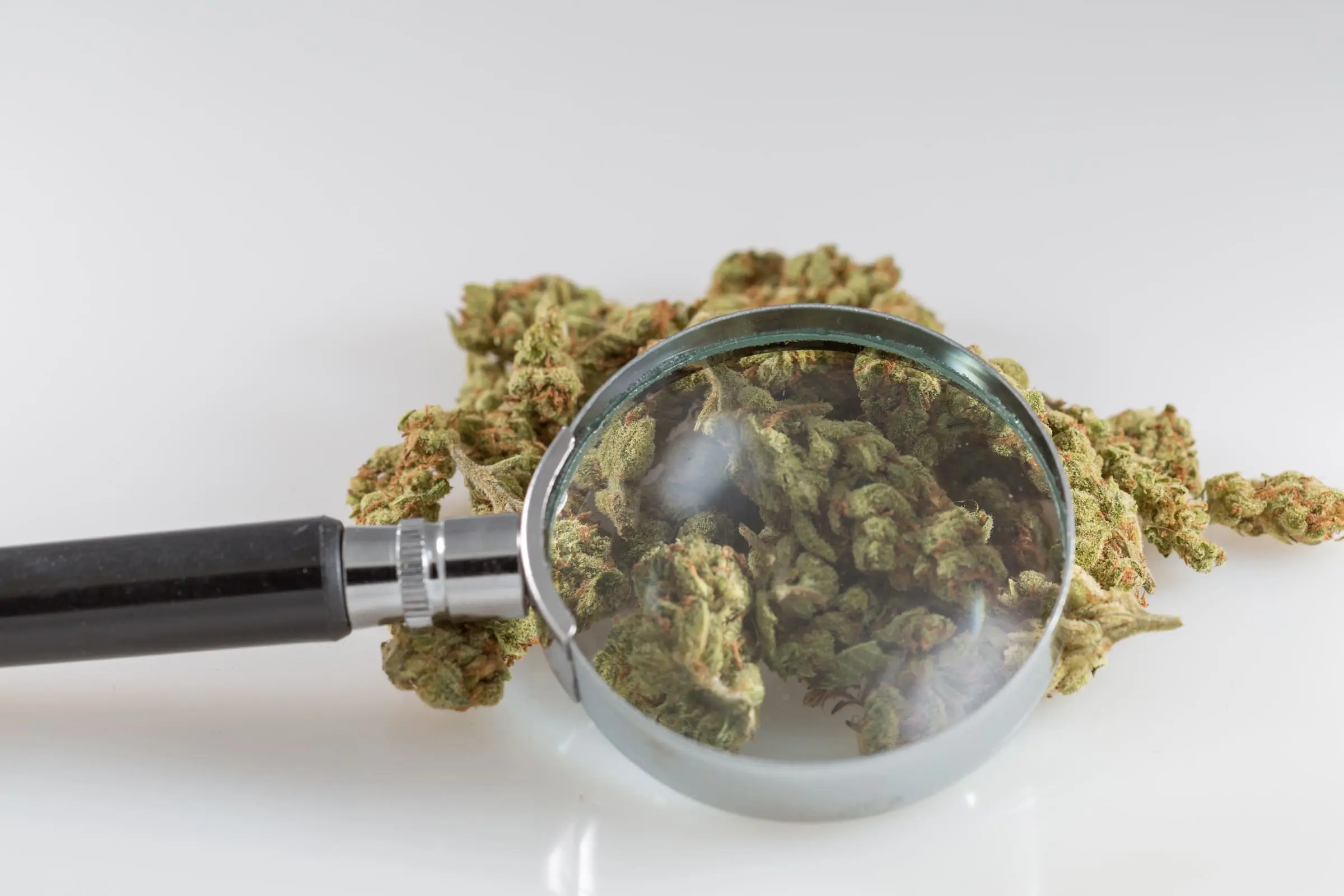
Colorado marijuana testing reform, overdue and unpretty, is finally on the menu. Regulators are signaling the end of the honor-system buffet where manufacturers picked their own product samples for mandatory lab tests, the way a gambler picks his lucky slots. The state’s Marijuana Enforcement Division is weighing a pivot to third-party or lab-collected sampling—no more cherry-picking, no more pristine batch for the clipboard while a dirtier cousin gets dressed for the dispensary shelf. This is the kind of nuts-and-bolts cannabis taxation and compliance talk that makes most eyes glaze over. But it’s also where the Michigan-cannabis-market dreams, the national marijuana policy reform noise, and the promise of a legal cannabis industry live or die: in the slow, fluorescent hum of people deciding which vial gets tested, and who gets to hold the tongs.
The stakes aren’t theoretical. Colorado officials tallied two dozen violations in 2024 related to testing and sampling—companies sending in one thing and selling another, or tinkering with chemistry like it’s open mic night in a garage lab. Since early 2023, roughly half of the state’s final enforcement actions touched self-sampling or testing abuses. Regulators admit sample adulteration is common. Penalties? Often a fine that looks like gas money in a business built on seven-figure volumes, which is why the loudest voices in the room are calling for consequences that bite instead of whisper. Because if consumers think they’re buying safety and getting roulette, you don’t just break trust—you torch the whole enterprise.
“Sample fraud should be a death sentence for a licensee. Right now, it’s a $15,000 slap on the wrist.”
So the policy dial is turning. Over the coming months, Colorado will map out who grabs the sample—licensed lab techs or state-credentialed third-party samplers—how it’s documented, and what it costs. Think video surveillance on sampling, GPS on transport vehicles, chain-of-custody that holds up under a glaring light. The state is in listening mode with labs, cultivators, manufacturers, and anyone who has to live with the bill. That bill matters. Changing testing regulations isn’t cheap, and those costs will trickle down to a customer already navigating price wars and potency arms races. But Colorado isn’t reinventing gravity here: 26 states and D.C. already require lab personnel to collect samples. The lesson from places like California is clear enough—sampling scandals don’t fix themselves. They get fixed when regulators show up with resources, rules, and the will to enforce them.
If you want to know why third-party sampling matters, follow the residue. A popular vape brand laced with a toxic chemical found its way onto shelves, an ugly reminder that contamination isn’t an abstract noun—it’s a lungful. In that case and others, investigators say some operators swapped marijuana distillate for cheaper hemp-derived conversions, a prohibited shortcut that ends with surrendered licenses and scorched reputations. The hemp gray zone isn’t just a Colorado headache. You can see the political whiplash in flyover country, where a high-profile push to rein in intoxicating hemp faced a wall of parliamentary trench warfare in Jefferson City—read: Missouri Bill To Restrict Hemp THC Products Stalls Amid Senate Filibuster. And then glance east, where regulators are scrambling to keep licensed shops from collapsing under the weight of their own zoning maps, a cautionary tale of bureaucracy nearly devouring the legal storefronts it created—see: New York Governor Signs Bills To Fix Marijuana Business Zoning Issue That Threatened Closure Of Over 150 Dispensaries. Different coasts, same problem: rules that don’t keep up with reality invite chaos to write the next chapter.
Colorado’s market is maturing into something more complicated and less forgiving. Revenues ebb as more states legalize, competition bites, and the novelty tax wears off. Yet the state’s cannabis receipts still embarrass alcohol in the ledger, which makes regulatory credibility nonnegotiable—context you’ll find here: Colorado Marijuana Revenue Is Declining As Other States Legalize, But It Still Outpaces Alcohol Taxes, Report Shows. Lawsuits have already pushed regulators to expand chemical testing, and there’s a live pitch to hand oversight to the health department and launch random, off-the-shelf checks at dispensaries. That’s the kind of quiet, unglamorous rigor that turns a risky marketplace into a durable one—and it dovetails with the medical conversation percolating in D.C., where top officials have publicly acknowledged potential therapeutic value alongside legitimate safety worries: FDA Head Says Marijuana Has ‘Benefit In Medical Conditions,’ But Trump Administration Also Concerned About ‘Side Effects’. Strip away the noise and the message is simple: trust is the currency. Earn it with clean sampling, transparent testing, and enforcement that means something—and then, when you’re ready to taste the difference, explore our curated selections here: https://thcaorder.com/shop/.