



Colorado Marijuana Revenue Is Declining As Other States Legalize, But It Still Outpaces Alcohol Taxes, Report Shows
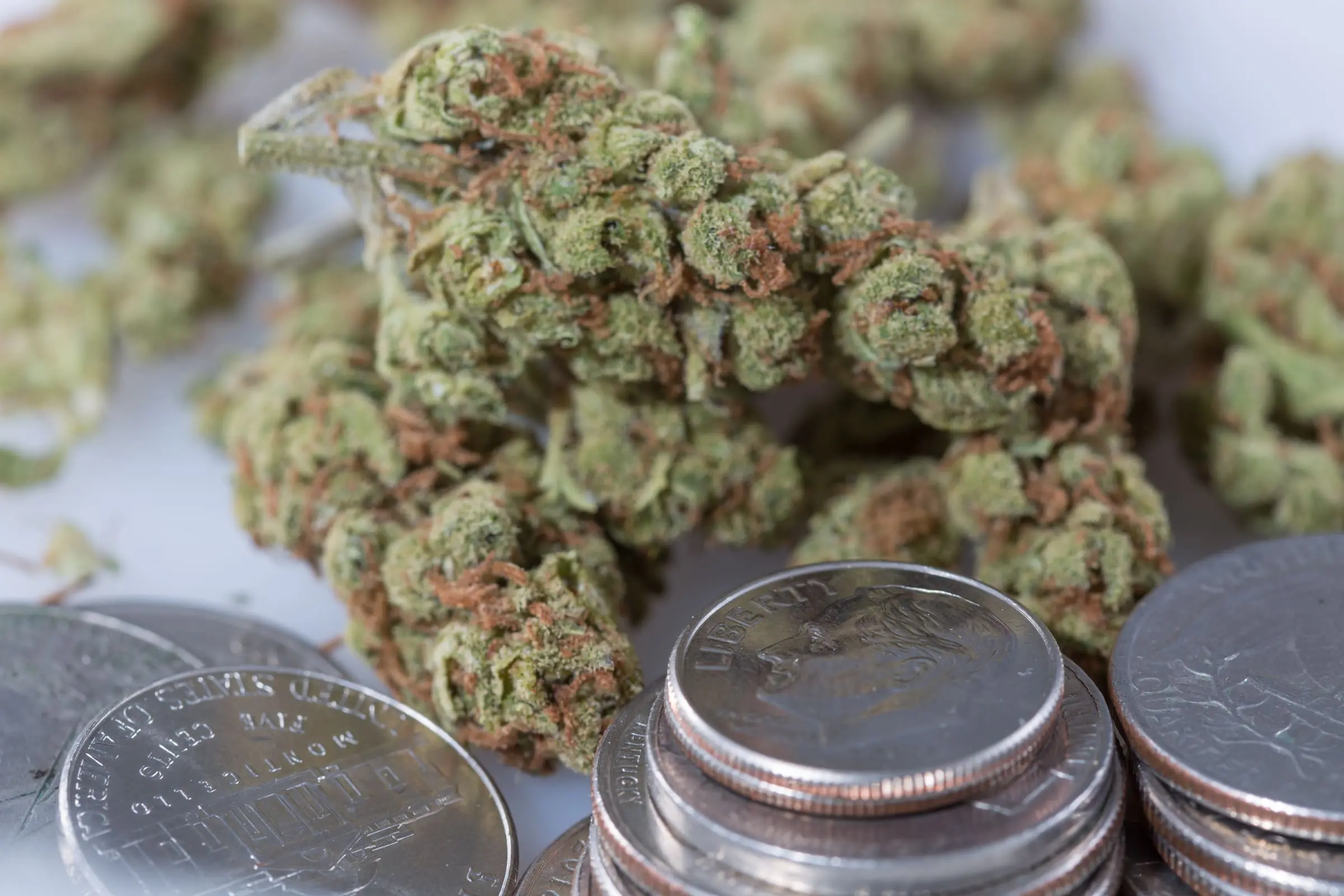
Colorado marijuana tax revenue is sliding, steady and inevitable as snowmelt carving a new channel. The state’s nonpartisan bean counters laid it out in a clean, unromantic line item: $231.1 million in cannabis tax revenue for FY 2024–25, down from a $424.4 million peak in FY 2020–21. Three taxes lace every legal joint and gummy—15 percent excise, 15 percent special sales, 2.9 percent state general sales—a classic cocktail of cannabis taxation that once poured like an open bar. Eight roaring years of growth, then gravity returned. Market maturation, meet the reality of legal cannabis revenue in a crowded map. The numbers are public, dull, and damning in their simplicity, and the state’s own Legislative Council memo answers the budget question everyone whispers: the curve bent down.
What changed? The map lit up. Every new adult-use state pulled a few tourists and a lot of demand off I-25, and the novelty premium bled away. Prices softened. Shoppers got pickier. Then intoxicating hemp elbowed into the party—gas-station gummies with a lawyer and a lab test, engineered to slip through federal seams while siphoning margin from the regulated shops. Colorado officials didn’t mince words: low prices, falling demand as more states legalize, and the rise of intoxicating hemp are the culprits. Now a federal ban on those hemp intoxicants is slated for November. Maybe that corrals some dollars back to regulated counters. Maybe it births a new gray market with cheaper thrills and no receipts. The governor himself has warned a blanket crackdown could “stifle growth and innovation” in the broader market. That’s the tightrope in the Colorado cannabis market: protect public health, preserve tax baselines, don’t snuff out the legal marketplace you spent a decade building.
Still, stack the vices and cannabis keeps beating the usual suspects at the register. In FY 2024–25, marijuana brought in roughly $231.1 million in state taxes, outpacing alcohol (about $54.3 million) and trouncing tobacco products (around $68.2 million) and nicotine products (about $91.6 million). Even cigarettes, long the heavyweight, posted about $213.9 million—close, but still shy. That’s the quiet headline under the decline: legal cannabis revenue remains the sturdier pillar of sin taxes, even as the high tide recedes. And consumers know it. Surveys keep finding more people swapping out booze and cigarettes for cannabis or low-dose, cannabis-infused beverages—the harm reduction aisle, with less swagger and fewer hangovers. The cannabis industry impact isn’t just cultural anymore; it’s fiscal. Budget writers count on this stuff. City planners, too. When the lines outside dispensaries shorten, you feel it in school grants, local health programs, and those niche projects that only happen when the sin taxes behave.
Policy, meanwhile, is the house band, and it sets the tempo. In New York, a legislative fix kept an entire storefront ecosystem from imploding, a reminder that one sloppy sentence in a zoning code can kill a neighborhood’s prospects: New York Governor Signs Bills To Fix Marijuana Business Zoning Issue That Threatened Closure Of Over 150 Dispensaries. In the medical lane, even federal regulators are acknowledging nuance; the top food and drug cop has admitted marijuana has benefits in certain conditions, even while raising flags about side effects—regulatory schizophrenia in a single breath: FDA Head Says Marijuana Has ‘Benefit In Medical Conditions,’ But Trump Administration Also Concerned About ‘Side Effects’. On the home front, states are sketching a more humane blueprint: protecting family life for responsible consumers, as seen in Virginia House Passes Bill To Protect Rights Of Parents Who Use Marijuana, and making access fairer for those who served, like in Florida’s push to expand supply and cut fees for veterans: Florida Senators Approve Bill To Increase Medical Marijuana Supply Limits And Slash Patient Fees For Veterans. Marijuana policy reform isn’t one law—it’s a running negotiation, a rolling boil.
Back in Colorado, the to-do list is sobering and simple: calibrate taxes without strangling margins; clarify hemp rules so compliant operators aren’t boxed out by loopholes; invest in data so the state anticipates the next wave instead of reacting to yesterday’s. This is still a billion-dollar sales story—2025 crossed that marker—and a mature market can be boring in the best way: predictable, transparent, sustainable. Even the governor is drawing lines, openly opposing his state’s support for a federal rule that bars gun ownership for marijuana consumers; you can’t keep calling people legal and then treat them like criminals when it’s convenient. The lesson in this decline isn’t that cannabis is fading. It’s that the market finally looks like a market: competitive, regional, price-sensitive, and very much alive. If you want to taste where the category is headed—and why the details of cannabis taxation and compliance matter as much as terroir—finish your drink, sharpen your curiosity, and take a stroll through our shop.