


Colorado Governor Is ‘Pushing Back’ Against His Own State’s Position Supporting Federal Gun Ban For Marijuana Consumers
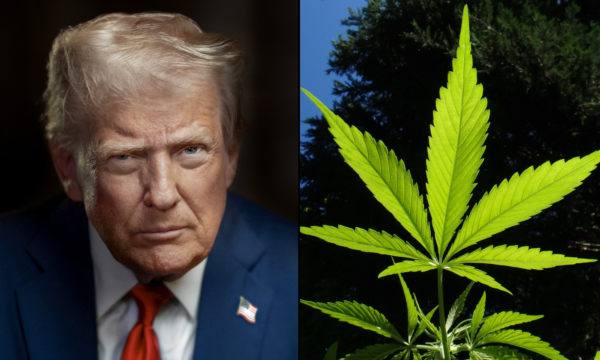
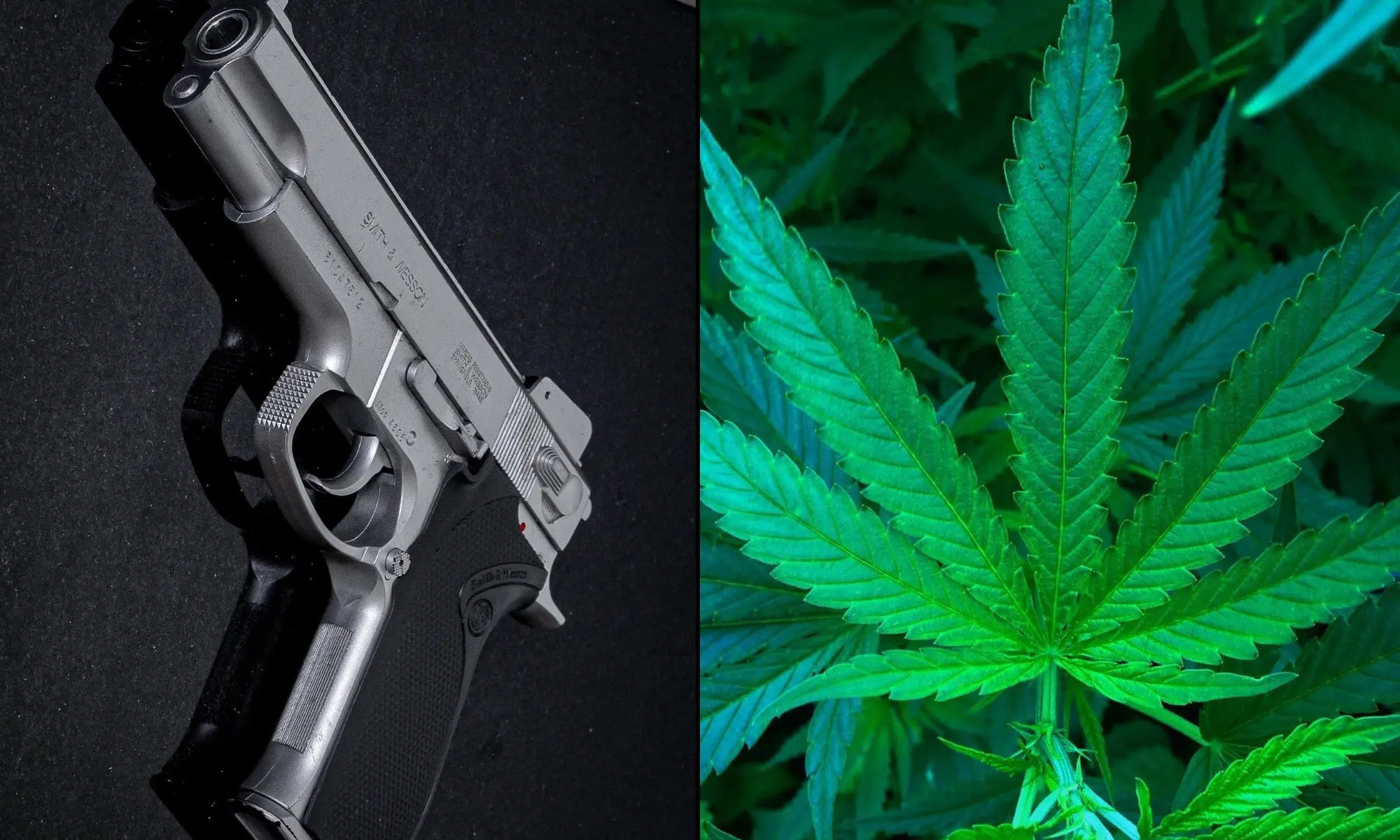
Federal gun ban for marijuana users is catching heat in Colorado, the kind of slow burn you feel under neon lights when the bar is closing and everyone’s arguing about rights and wrongs over the last pour. Governor Jared Polis—long-time marijuana policy reform booster and no stranger to Second Amendment talk—says his state never should’ve backed a legal brief defending the federal rule that bars cannabis consumers from buying or possessing firearms. His take is blunt: there’s no reason pot use should cost you your gun rights when alcohol doesn’t. It’s a clean, simple contrast, and it lands right in the middle of the national fight over whether cannabis is finally graduating from cultural contraband to ordinary vice—and whether constitutional protections should get there first.
What the Supreme Court is really weighing
The case on deck, U.S. v. Hemani, challenges 18 U.S.C. § 922(g)(3), a federal statute that labels “unlawful users” of controlled substances as ineligible to own firearms. After the Supreme Court’s modern test for gun restrictions centered on historical tradition, the question is whether there’s any legitimate analogue from the nation’s founding to justify a blanket prohibition on people who use marijuana owning guns. That’s why strange bedfellows like gun-rights stalwarts and drug policy reformers now share a trench: they argue there’s no such history, and that today’s legal cannabis landscape makes the ban look less like public safety and more like a relic. Meanwhile, federal regulators are scrambling on the margins. The Bureau of Alcohol, Tobacco, Firearms and Explosives has moved to refine who counts as an “unlawful user,” an attempt to make the net smaller even as the Court weighs whether the net should exist at all. Oral arguments are set for March 2, a date circled in ink by both advocates of gun rights and champions of the modern cannabis marketplace.
Colorado’s role sits awkwardly in this moment. The state attorney general joined a coalition urging the Court to uphold the ban—an eyebrow-raiser from a state that practically wrote the early chapters of legal cannabis. Polis is now publicly “pushing back,” saying Colorado shouldn’t have signed on, and that he opposes the legal position itself. Practically, his levers are limited this late in the process; it’s tough to reverse a filed stance without looking like you took a wrong turn and kept going. But the governor’s message lines up with the broader federal drift: if Washington is inching toward rescheduling cannabis to Schedule III, how long can a rule survive that treats any marijuana use as a red flag for dangerousness? Even a cautious shift in federal drug scheduling undercuts the logic of a prohibition premised on categorical peril. The real-world read: the law is creaking under its own contradictions, and politicians are deciding where they want to be standing when it finally gives.
The state-by-state fault lines
Zoom out, and you see the country’s patchwork stitched together with fraying thread. In Maryland, lawmakers are debating how to protect medical cannabis patients’ firearm ownership—a quiet, pragmatic move that recognizes modern realities and individual rights; a good primer is Maryland Lawmakers Take Up Bill To Protect Medical Marijuana Patients’ Gun Rights. In the Midwest, the debate wears a different suit. Wisconsin’s Senate advanced a tightly controlled medical program even as Democrats press for full adult-use—a stalemate chronicled in Wisconsin Senators Approve GOP-Led Medical Marijuana Bill As Democrats Push Broader Recreational Legalization. Down in Mississippi, compassion is testing the old guard’s patience with a measure to allow hospital use for the terminally ill, a fight captured here: Mississippi House Approves Bill To To Allow Medical Marijuana Use In Hospitals For Terminally Ill Patients. And in the nation’s capital, the conversation gets messy: a prominent anti-legalization group faced backlash for excluding scientists and reform advocates from a policy conference—see Scientists And Advocates Slam Anti-Marijuana Group For Blocking Their Participation In D.C. Drug Policy Conference. Put it together and you’ve got a portrait of a country negotiating, in real time, where to draw lines between personal liberty and public safety—and who gets to hold the pen.
That’s why Colorado’s split-screen matters. On the one side, a governor who says the federal gun ban for marijuana users is a bridge too far, especially when alcohol strolls past the checkpoint. On the other, state lawyers who signed their names to the old order. It’s the American contradiction: we legalize, regulate, and tax cannabis with one hand, while the other still stamps “unlawful user” on anyone who admits they use it and wants to buy a firearm. Courts have begun to balk. Some appellate panels have tossed convictions or demanded individualized findings of dangerousness rather than blanket bans. If the Supreme Court leans into that skepticism and narrows or nixes § 922(g)(3) as applied to cannabis, it won’t just be a win for gun-rights purists; it’ll be a signal that marijuana is graduating out of the shadows of exceptionalism. If the justices uphold the statute, expect a harsher reckoning: more people caught between state-legal conduct and federal prohibitions, more friction at the gun counter, more legal whiplash for veterans, patients, and everyday consumers who thought “legal” meant settled.
Here’s the bottom line, served neat: the Court is about to decide whether the modern cannabis user is, by default, too risky to trust with the tools of a constitutional right. Governors can posture, agencies can tinker, and legislators can dabble at the edges—but the ruling will set the tone for how the federal government treats the millions who live where marijuana is lawful. Figure the stakes this way: a decision against the ban could clean up the background-check purgatory that follows honest answers; a decision for it keeps a two-tier system where state legality is a mirage the second federal law steps in. Until then, we’ll keep navigating the gray, one foot on the bar rail, the other on the gas, eyes on the calendar. And if you want to keep your own journey stocked with compliant, high-quality options while the policy dust settles, explore our selection here: https://thcaorder.com/shop/.