
Bipartisan Tennessee Lawmakers Push For State-Level Marijuana Reform Following Trump’s Federal Rescheduling Move
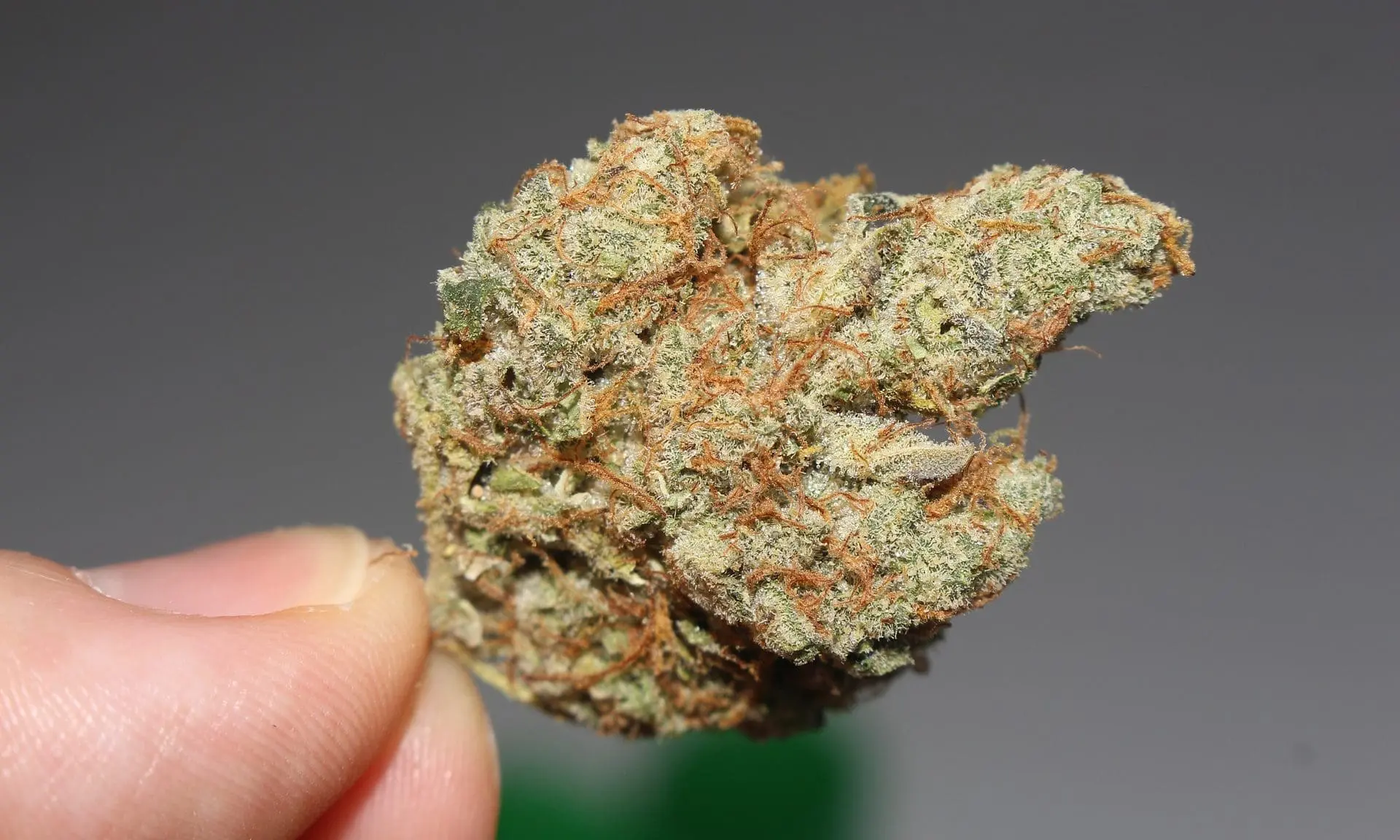
Tennessee marijuana reform just got a shot of adrenaline after President Donald Trump’s executive order to loosen cannabis restrictions, bumping the plant from Schedule I to Schedule III on the federal controlled substances list. Overnight, the long, strange trip of prohibition in the Volunteer State looks less like a moral crusade and more like an outdated habit—one of those stubborn vices the state clings to because it’s always clung to it. Tennessee is one of a small cluster of holdouts with no legal medical or adult-use framework, ringed by places experimenting with modern marijuana policy reform while it keeps pretending the 1980s never ended. The federal shift doesn’t magically legalize anything here, but it cracks the door for medical research, insurance coding, and the kind of physician-guided access that doesn’t feel like a back-alley handshake. The politics are suddenly interesting, and for once, the script isn’t just “no.” You can hear it in the bipartisan chatter—some folks smell change, others smell danger, and the rest smell money.
State Sen. London Lamar, a Memphis Democrat, didn’t mince words. Tennessee’s cannabis penalties are “stuck in the dark ages”—overly punitive, out of step with neighboring markets, and costly in all the wrong ways. She wants lawmakers to seize the moment: build a real medical cannabis program, decriminalize low-level possession, and let adults make adult choices. There’s a pragmatic spine to that agenda. Less jail time for minor marijuana offenses means more dollars for roads, schools, and clinics—concrete, no-BS investments instead of endlessly fueling a petty arrest machine. And if Schedule III means more clinical trials and insurance pathways, then patients with pain shouldn’t have to choose between opioids and misery. That’s where the national winds are blowing; even coverage experiments are popping up, as debates over patient access expand beyond THC to cannabinoids writ large, like the push described in Federal Health Programs Will Cover Up To $500 Worth Of CBD For Certain Patients By April, Trump Official Dr. Oz Says. Lamar’s message is simple: stop criminalizing a plant, start treating people—and let science, not hysteria, lead.
On the other side of the aisle, Rep. Jeremy Faison—no stranger to the medical marijuana fight—sounds like a man who’s tired of pretending a naturally occurring plant belongs on the same shelf as heroin. The federal government, he argues, never had a good rationale for that old Schedule I straitjacket. With the rescheduling, the tone shifts from moral panic to practical medicine: physician oversight, pharmacist dispensing, dosage guardrails. None of it is a free-for-all; Schedule III drugs remain tightly controlled. But they can be studied, prescribed, and discussed like grown-ups do when they talk about health. Faison’s hope is refreshingly unromantic: let research prove cannabis either helps—or it doesn’t. If it’s safer than opioids for certain conditions, say so and write the rules. If not, say that, too. Of course, not everyone’s swayed. Lt. Gov. Randy McNally still calls marijuana dangerous, insists there’s “little demonstrated medicinal efficacy,” and wants no change to Tennessee’s scheduling. That’s the fault line: one side wants a modern medical framework; the other wants the comfort of the old padlock.
Zoom out, and Tennessee’s debate becomes another tile in a fast-moving mosaic. Voters and legislators across the map are no longer whispering about cannabis—they’re rewriting codes in daylight. In Ohio, organizers are pushing back at attempts to choke off newly won rights with a direct-democracy counterpunch, as seen in Ohio Activists Plan Referendum To Block New Law Rolling Back Marijuana Rights And Restricting Hemp Sales. Down in Florida, veterans and civil libertarians are trying to tune the medical program so it actually serves people—cutting fees and squaring rules with reality, themes explored in Florida Bills Would Reduce Medical Marijuana Fees For Military Veterans And Ban Public Smoking. And beyond cannabis altogether, Massachusetts lawmakers are sketching what therapeutic access looks like for other controlled substances, a cautious, clinical path in Massachusetts Lawmakers Vote To Legalize Psilocybin And Establish Framework For Therapeutic Access. The point is not that Tennessee must copy anyone; it’s that the South and the rest of America are experimenting in public, and the old prohibition playbook reads like a diner menu from a vanished decade.
What would a grown-up Tennessee cannabis policy actually look like? Start with medical access that works in the real world: doctors trained on indications and contraindications, pharmacists equipped with dosing standards, and products tested for purity like any other medicine. Pair that with decriminalization that ends petty arrests and automated expungement for low-level records, so a dime bag from 2012 stops shadowing someone’s future. Commit to research—universities and hospitals partnering to study pain, PTSD, epilepsy—so local data informs local rules. Get serious about public health guardrails: age limits, labeling, impaired-driving enforcement rooted in science, not vibes. And if lawmakers want revenue, make the tax light enough to compete with the street, earmark proceeds for addiction services and rural healthcare, and don’t fleece the very patients you claim to help. The federal shift isn’t a hall pass, but it is a map. For the original reporting on today’s spark, see the Tennessee Lookout’s coverage here: Tennessee Senate Democrat pushes cannabis reform following federal move. And if you’re ready to explore compliant, high-quality options while policymakers catch up, step into our shop: https://thcaorder.com/shop/.