



Bipartisan Senators Discuss Marijuana Industry Banking Issues As Trump ‘Strongly’ Considers Rescheduling
Marijuana banking access is the fight that decides whether legalization grows up
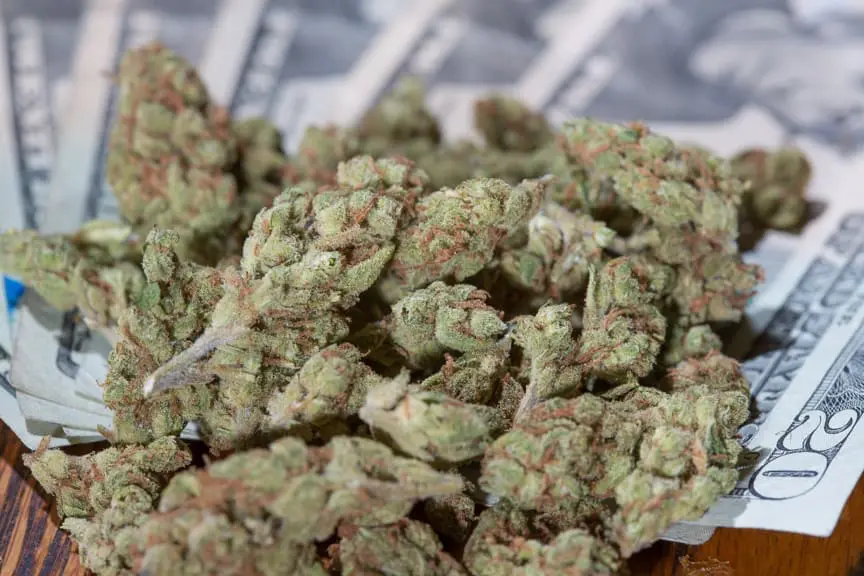
Marijuana banking access isn’t a footnote—it’s the headline, the stubborn bottleneck choking a legal industry that’s supposed to be aboveboard. While the political chatter machine hums about a potential move to reschedule cannabis, the money problem remains the same: state-licensed operators hustling in a cash economy as if Prohibition never ended. Senators on the Banking Subcommittee—one part pragmatist, one part hall monitor—held the latest round of civil debate, weighing the SAFER Banking Act like a bartender deciding whether to cut off a rowdy regular or hand him a glass of water. Some, like Nevada’s Catherine Cortez Masto, see a straightforward fix: let compliant cannabis businesses access the financial system and stop pretending they don’t exist. Others, like North Carolina’s Thom Tillis, want tighter rails around marketing and youth protections before they sign the tab. Meanwhile, the industry counts the days, watches the headlines, and stashes its cash like it’s 1996.
Rescheduling won’t fix the vault
Here’s the honest pour: even if the White House shuffles cannabis from Schedule I to Schedule III, the safes won’t swing open. The people who have to make this work—the regulators, the bankers, the operators—say the same thing in different accents. Without clear federal safe harbor, the risk calculus for financial institutions doesn’t change much. Former Nevada cannabis regulator Tyler Klimas described what it looks like on the ground: a patchwork of workarounds, coded invoices, and compliance teams burning hours to avoid spooking the one bank willing to pick up the phone. Forty-odd states have sanctioned cannabis markets that support payrolls, rent checks, and tax revenue—but too many of those dollars still move under the table because federal policy refuses to meet reality. If you want the receipts, the Senate Banking Subcommittee hearing spelled out the public safety stakes: cash-heavy storefronts are magnets for theft, opacity invites bad actors, and thin margins get thinner when banks charge premium fees for the privilege of basic services.
The politics of optics and the cost of delay
This is where Washington does its familiar two-step. On one side, you’ve got lawmakers who balk at legalization’s optics, insisting that Marijuana Isn’t ‘Chill’ And Is Actually More Dangerous Than Alcohol, Anti-Legalization Groups Tell Supreme Court In Brief For Gun Rights Case. On the other, you’ve got a party tussling with itself over rescheduling, where some argue that Trump Would Be ‘Wrong’ To Reschedule ‘Gateway Drug’ Marijuana, GOP Congressman Says As Reform Rumors Spread. Layer in the cultural handwringing about candy-colored packaging and ad campaigns, and you can see why a senator might say the market feels like the “Wild West.” But while Congress argues branding aesthetics, entrepreneurs count armored truck drop-offs and managers train staff on what to do if someone kicks in the back door. Banking access isn’t ideological; it’s operational. The longer Congress drags this out, the more it taxes legitimate operators—through higher compliance costs, predatory fees, and lost investment—and the more it rewards the least transparent players who thrive in the gray.
Regulators can’t referee a game they can’t see
States have done the heavy lifting—licensing, audits, track-and-trace—building an industry on top of a rickety federal scaffold. Nevada borrowed its gaming DNA to run thorough background checks and map supply chains; yet reconciling sales data against spotty bank records is like trying to solve a jigsaw puzzle in a dim bar. Without reliable banking relationships, oversight gets harder, not smarter. Equity entrepreneurs, already squeezed by capital scarcity, get boxed into lopsided deals that compromise their ownership and mission—hence why stories like Missouri Marijuana Officials File Proposed Rules Targeting ‘Predatory’ Contracts For Equity Businesses matter. Meanwhile, the hemp sector faces its own storm, with a federal squeeze on intoxicating THC products looming over thousands of companies; the political countercurrent is strong, sure, but so are the folks vowing to defend the space, like the scene captured in GOP Senator Attends Hemp Business Ribbon Cutting Ceremony, Vowing To Fight To Stop Looming Federal THC Product Ban. All of it underscores the same point: clarity in banking makes oversight cleaner, capital fairer, and communities safer.
SAFER Banking is the boring, necessary fix
There’s an unglamorous truth here: the SAFER Banking Act won’t end the culture war, crown winners, or settle dinner table arguments. It will, however, drag an already-legal market out of the cash shadows and into the sunlight of routine financial services—checking, payroll, lending, insurance, credit. That alone would lower crime risk, sharpen compliance, and widen the door for small and mid-sized operators who can’t afford a legal team on retainer. It would also give regulators the line of sight they need to separate the honest strivers from the bad actors looking for daylight. Rescheduling may be a symbolic turning point, a nod to medical reality and science; banking is the plumbing that makes the building livable. Congress can debate national frameworks, taxes, labeling, and interstate commerce for years. In the meantime, the least controversial, most functional reform sits on the table, gathering dust, while entrepreneurs do business with a target on their backs. If you care about a transparent, safe, and resilient cannabis economy, this is the lever to pull first—and if you’re ready to explore compliant products from a team that lives this space, step into our shop here: https://thcaorder.com/shop/.