
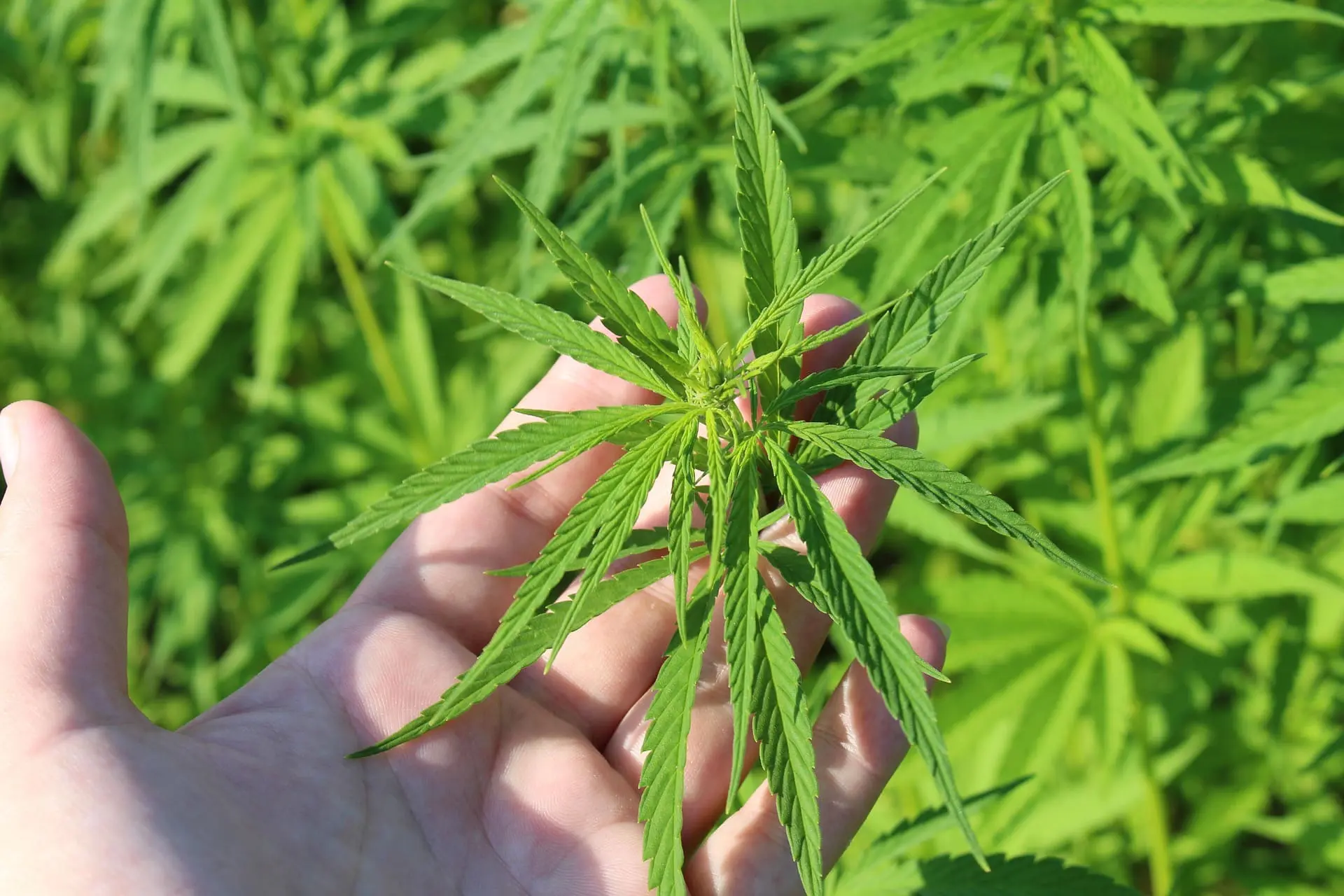
Banning Hemp Drinks Threatens To Undermine The Growing Normalization Of Cannabis (Op-Ed)
Hemp-Derived THC Beverages Ban: Congress Sharpens the Knife Over a Quiet American Revolution
Here’s the headline you feel in your gut: hemp-derived THC beverages ban. Not a think-tank white paper, not a long, deliberate rulemaking—just a few lines tucked into a federal appropriations bill that threaten to rip a multibillion-dollar market right off the shelves next November. In three fast, unruly years, hemp beverages graduated from oddball curiosity to prime placement in national chains, breathing the same refrigerated air as hard seltzers, coaxing a new kind of customer to reach in, crack a can, and rethink what cannabis consumption looks like. NielsenIQ started tracking them because these aren’t novelties anymore; they’re consumer packaged goods with a rhythm and a repeat business of their own. In Minnesota, some liquor stores say these cans now account for 15 to 20 percent of sales. That’s not a trend line—that’s a customer base with receipts, routines, and Friday nights to plan.
Why the surge? Because America’s relationship with alcohol is quietly recalibrating. People want the social ritual without the hangover, the friendly buzz without the brawl. Hemp-derived THC beverages offer familiar formats, steady dosing, and the audacity of normalcy—available at grocery stores, bars, music venues, the corner place that used to scoff at “weed” and now sells it cold. A recent customer survey found 77 percent cut back on alcohol after trying THC drinks. For many adults, this is their first step into cannabis culture—through a can, not a vape. The 2018 Farm Bill unintentionally opened that door by legalizing hemp without splitting hairs between intoxicating and non-intoxicating cannabinoids derived from compliant plants. Business followed the law. Supply chains matured. Testing labs got busy. Consumers found something that worked.
- Hemp drinks now sit in mainstream retail, not the margins.
- Some liquor stores report 15–20% of sales from the category.
- 77% of surveyed drinkers say they reduced alcohol use after trying THC beverages.
- Analysts peg the broader hemp economy at hundreds of thousands of jobs and tens of billions in market activity.
And now, the policy whiplash. The appropriations bill passed in November 2025 rewrites the federal definition of hemp so narrowly it would outlaw most hemp-derived THC products—effectively erasing this entire category. No hearings. No public square. Just an eraser slipped into the federal ledger, set to cancel state-borne regulatory systems built in good faith. States like Louisiana have already erected scaffolding—age gates, potency caps, testing protocols, packaging standards—but the new language would bulldoze that architecture in a day. Meanwhile, other corners of cannabis policy pull in different directions. Virginia senators advanced hospital access for medical patients in the wake of federal rescheduling momentum—see Virginia Senators Approve Bill To Let Patients Access Medical Marijuana In Hospitals After Federal Rescheduling—even as the federal government signals tolerance in one breath and clamps down in the next. Washington, D.C. still gets its wings clipped on retail sales, a reminder in 10-point type that Congress can veto a city’s will: Trump Signs Bill Continuing To Block D.C. From Legalizing Recreational Marijuana Sales As Advocates Await Rescheduling Action. In Oklahoma, closing an established market triggered a stark warning about the true cost of policy whiplash: Oklahoma Attorney General Warns That State Would Need To ‘Reimburse’ Medical Marijuana Businesses Under Governor’s Plan To Shut Down Market. And in Florida, the ballot math and legal posture gyrated so hard officials backed off mid-stream—Florida Attorney General Withdraws Supreme Court Marijuana Review Request After State Says Campaign Fell Short On Signatures—a reminder that access often hinges on courtroom commas as much as votes.
Here’s the rub for the cannabis industry: hemp beverages did what dispensaries alone couldn’t. They smuggled normalcy into everyday life. They taught your uncle and your bartender and the woman in front of you at the register that cannabis can be measured, predictable, and social. They expanded the total addressable market by removing the velvet rope and the stigma. Pull that plug with a sweeping ban, and you don’t just erase SKUs—you send a shiver down the spine of every operator and investor who thought federal law meant tomorrow looked like today. Business models built on the 2018 Farm Bill suddenly look provisional, fragile, one appropriations rider away from the dumpster. A better path exists. Build a federal framework that mirrors the competent states: age restrictions, potency limits by container and serving, rigorous testing, standardized labels, child-resistant packaging, channel controls that keep these products where trained retail can steward them. Regulation—not prohibition—meets consumers where they already are.
So what happens next? If Congress stays the course, November becomes a cliff. Shelves go bare. Jobs disappear. Consumers who swapped a six-pack for a two-pack of 5 mg seltzers drift back to alcohol or into the gray. The market gets noisier, not safer. If lawmakers reconsider, they can harmonize hemp-derived THC with rescheduling winds and state systems, stabilizing a category that has already proved its worth in real-world conditions. This isn’t about picking winners; it’s about acknowledging demand, defending legal reliance, and choosing rules over whack-a-mole. The question isn’t whether adults want these products. It’s whether we’ll pretend they don’t. If you care about sensible cannabis policy, consumer choice, and the craft of doing things right, stay loud—and when you’re ready for the highest-standard THCA experience, step into our shop.