

ATF Moves To Loosen Gun Ban For People Who’ve Used Marijuana Or Other Illegal Drugs
ATF loosens gun ban for marijuana users: from one-hit gotcha to evidence of a pattern
The ATF’s move to loosen the gun ban for marijuana users lands like a stiff drink after a long day—sharp, overdue, and finally honest about reality. For years, a single puff in the last 12 months could trip the wires on a National Instant Criminal Background Check and slam the door on your Second Amendment rights. Now, under an interim final rule revising the definition of an “unlawful user,” the agency says one-off use isn’t enough. The primary shift: it’s not about a lone misstep; it’s about a pattern—regular, recent, provable unlawful use that actually speaks to current impairment and risk. In a world where cannabis policy reform and gun rights talk past each other, this is a small alignment, a rare nod to common sense in the federal machinery.
Start with the numbers and the nuts-and-bolts. Under the old 1997 approach, NICS examiners could infer prohibited status off a single failed drug test, a single admission, or a single conviction—any use within a year. In FY 2025, 8,817 standard denials hit for alleged drug-user status; roughly half—4,284—rested on that one-use inference. That’s not a safety standard; that’s a tripwire. The new rule wipes away those shortcuts and replaces them with a demand for proof: “require evidence of a pattern of unlawful use.” It clarifies that isolated or sporadic use doesn’t make someone an unlawful user, and that the concept hinges on “regular” use over an extended period continuing into the present. In other words, the government finally admits what everyone else already knew: a single data point isn’t a diagnosis. If you want the raw text, the agency’s filing is here in the Federal Register notice: Revising Definition of Unlawful User of or Addicted to Controlled Substance.
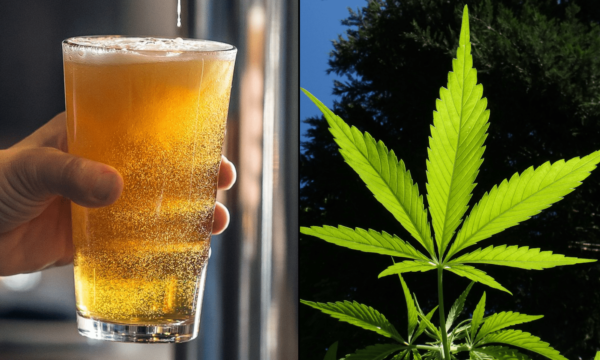
This reset doesn’t happen in a vacuum. The Supreme Court is weighing U.S. v. Hemani, a direct challenge to the constitutionality of the federal ban on firearms possession by people deemed drug users under 18 U.S.C. 922(g)(3). The lower courts are split, the stakes are national, and the question is simple: if alcohol drinkers can buy and keep firearms, why treat cannabis consumers as a different species? The ATF’s interim step reads like a hedge against the Court’s hammer, an effort to align policy with modern precedent and reduce the glaring constitutional questions created by one-off denials. Even gun-rights advocates who don’t trust federal rulemaking recognize the shift: it’s closer to current practice and a hair more pro-rights than the old language.
Zoom out, and you see the larger American contradiction: a legal cannabis market in many states, a federal regime still calling it a Schedule I drug, and a culture that treats a glass of bourbon as tradition and a joint as a mortal sin. The crosscurrents are everywhere. Florida is contemplating legal adult use even as lawmakers moved to restrict where people can smoke, a tension captured in Florida Lawmakers Approve Bill To Ban Public Marijuana Smoking Ahead Of Possible Legalization Vote On The Ballot. In the Southeast, policymakers are still sorting out hemp and intoxicating cannabinoids, a debate framed in South Carolina Lawmakers Should Pass Hemp Legislation That Smartly Regulates Products (Op-Ed). Meanwhile, at the federal level, missed deadlines to modernize research access for Schedule I substances—see Attorney General Misses Deadline For Rules To Make It Easier To Study Schedule I Drugs Like Marijuana And Psychedelics—and sporadic product seizures that infuriate state-legal operators—documented in Congressional Leaders Push Feds To Explain Marijuana Product Seizures From State-Legal Businesses—keep the friction high. This ATF rule doesn’t fix federal cannabis policy. It merely patches one hole in a boat that’s been leaking for a decade.
Practically, here’s what matters for the cannabis community and the firearms crowd. A denial can’t rest on a single failed test, a single admission, or a single conviction anymore; background check examiners need evidence indicating regular, recent unlawful use continuing into the present. The rule even acknowledges that slight deviations from a doctor’s prescription aren’t disqualifying, and that cessation matters—quit the unlawful pattern and you’re no longer an “unlawful user.” It’s an interim measure, and the agency is taking public comments through June 30 before reassessing after the Supreme Court rules. But as of now, the standard for who loses gun rights is narrower, more tethered to behavior that actually suggests an ongoing risk. It’s not perfect policy; it’s a better compass. If you live at the intersection of legal cannabis and responsible gun ownership, that subtle recalibration is the difference between a door slammed shut and one cracked open—while you keep learning, exploring, and, when you’re ready, finding compliant, high-quality options in our shop.