
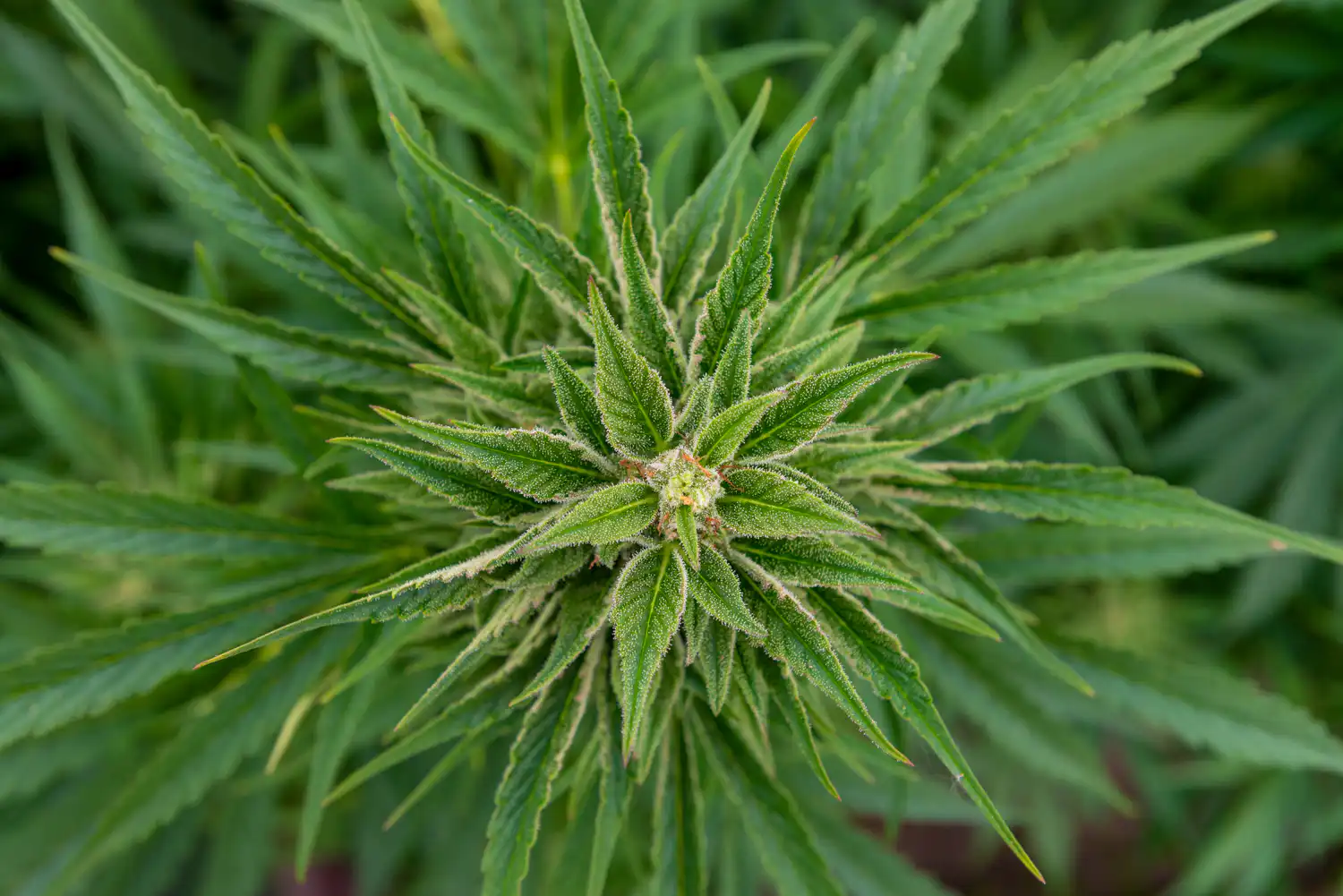
Arizona Senators Approve Measures To Criminalize ‘Excessive’ Marijuana Smoke Or Odor
Arizona marijuana smoke law: When a neighbor’s nightcap becomes your 3 a.m. wake-up call
Arizona’s latest brushfire isn’t in the desert. It’s crawling under doorjambs and through A/C vents. Lawmakers advanced an Arizona marijuana smoke law that would classify “excessive” cannabis smoke or odor as a criminal nuisance—jailable even if the toke happens on private property, in full compliance with state legalization. The Senate Judiciary and Elections Committee signed off on a bill and a companion ballot referral by 5–2 and 4–3 votes, respectively, nudging the state toward a nose-as-probable-cause era of cannabis taxation, rulemaking, and enforcement. It’s a collision of the personal and the political: the right to unwind at home versus the right not to smell your neighbor’s choices. And in a state that embraced adult-use, the stakes for the Arizona cannabis market are more than academic.
What counts as “excessive” when the law deputizes the human nose?
Here’s where the rubber meets the olfactory road. The amended language tries to define “excessive” marijuana odor or smoke as that which is detectable “by a person on the private property of another.” It layers on a presumption that such odor is injurious, indecent, offensive to the senses, and a public nuisance. Legislators stripped the word “crime” in committee, but the conduct would still be a class 3 misdemeanor—meaning, jail is on the table. That loose standard puts a lot of trust in the most subjective instrument in law enforcement: human perception. Civil-liberties advocates warn that this kind of discretionary test, divorced from measurable thresholds, tends to land hardest on certain communities and invite arbitrary enforcement—precisely the kind of unequal outcomes voter-approved legalization was meant to retire. Key details at a glance:
- Committee action: Bill and ballot referral cleared the Senate Judiciary and Elections Committee (5–2 and 4–3).
- Penalties: Class 3 misdemeanor; up to 30 days in jail, a $500 fine, and up to one year of probation.
- Definition: “Excessive” odor/smoke is anything detectable on another person’s private property, with a statutory presumption it’s a public nuisance.
- Measures: See SB 1725 and its companion SCR 1048.
Property lines, thin walls, and the politics of smell
Supporters say this is about respect across the fence line—what you do at home shouldn’t drift into everybody else’s. The sponsoring senator framed it as a matter of family, neighborhood peace, and simple courtesy, arguing there are other ways to consume without sharing the bouquet.
“If getting high is important to you, there’s a host of ways you can do it without causing an impact to your surrounding neighbors.”
Fair enough. But when “excessive” rests solely on whether a neighbor says they can smell it, the law stops feeling like a scalpel and starts looking like a cudgel. Other states are moving the opposite direction—toward thoughtful accommodation instead of fresh criminal hooks. Consider the debate next door to first responders’ lives, where Maryland Senators Weigh Bill To Let Firefighters And Rescue Workers Use Medical Marijuana While Off Duty. That’s policy with a pulse—acknowledging real people, real jobs, and real risks—without assuming the worst from a whiff in the hall.
The rollback drumbeat and November arithmetic
As the odor bill inches forward, a separate push is brewing to gut Arizona’s adult-use commercial market while keeping possession legal and preserving medical access. Backers cite public nuisances, environmental strain, and wobbling sales as justification. The mechanics are stark: collect 255,949 valid signatures by July 2, and voters could decide whether to shutter the recreational retail system; if approved, implementation would begin January 2028. That’s a heavy lift against a 2020 electorate that backed legalization with roughly 60 percent support—and in a country where new shops opening can mean surging legal cannabis revenue. New York’s early returns already hint at the upside, with NYC Mayor Mamdani Projects Increased Marijuana Tax Revenue As New Shops Open. Arizona’s choice, then, is less about whether cannabis exists (it does) and more about who writes the rules—licensed storefronts under bright lights, or the old economy in the shadows.
Zooming out: the patchwork and the path forward
America’s cannabis map looks like a chef’s apron—spattered with contradictions. Some states are tightening odor ordinances; others are stitching cannabis into modern healthcare and labor policy. Hospitals may soon be less of a blind spot as Four More States Advance Bills To Allow Medical Marijuana Access In Hospitals. Meanwhile, national media spar over the promise and peril of legalization, sometimes missing the street-level reality that good policy keeps faith with voters while fixing real problems—odor included. For a sharper lens on that conversation, see What The New York Times Got Wrong—And Right—About Marijuana Legalization (Op-Ed). Arizona can craft a standard that targets genuine nuisances without criminalizing a smell—think measurable thresholds, mediation-first remedies, better ventilation guidance—because there’s a canyon of difference between a neighborly grumble and a night in county. If you’re exploring compliant, high-quality options and want to stay informed while you shop, take a quiet walk through our curated selections here: our shop.