

Arizona Senate Passes Bill To Punish People Over ‘Excessive’ Marijuana Odor Or Smoke
Arizona marijuana odor law: Senate backs penalties for ‘excessive’ cannabis smoke and smell
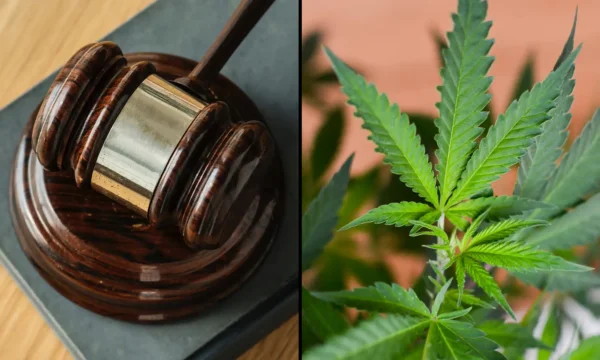
Arizona marijuana odor law isn’t exactly dinner party conversation, but step onto a patio in Phoenix at sundown and you’ll hear it in the air—neighbors trading side-eyes over a plume drifting across the fence. This week, the state Senate voted 20–9 to advance SB 1725, a measure that reframes “excessive” marijuana smoke or odor as a public nuisance with penalties that can bite: up to four months in jail and a $750 fine when conduct is intentional or knowingly and substantially interferes with someone else’s “comfortable enjoyment of life or property.” Lawmakers shaved off the bill’s earlier, sharper edges, stripping overt criminalization while keeping a cudgel ready for repeat, inconsiderate offenders. It’s the familiar tug-of-war of cannabis taxation, regulation, and the culture that blossoms around legalization—less a policy seminar than a late-night brawl over what freedom smells like when it seeps under your door.
So what counts as “excessive” in the eyes of the state? The Senate’s rewrite tightens the definition: airborne emissions from burning, heating, or vaporizing marijuana or marijuana products. It has to be detectable by a “reasonable person of ordinary sensibilities” on other private property and either last more than 30 consecutive minutes on a single occasion or occur on three or more separate days within a 30-day window. There’s a due-process breadcrumb trail, too. Before anyone races to court, the affected party must file a local complaint if their city or town already has an ordinance on the books. A judge can order you to abate; ignore that written order and each day of noncompliance stacks as a separate petty offense. The bill also clarifies that lawful possession or use doesn’t shield you from a nuisance finding—though flashing a valid medical marijuana card could soften the landing in front of a judge. The senator backing the measure swears this isn’t about stopping anyone from getting high, just about keeping your cloud out of your neighbor’s living room. Fair enough on paper; in practice, we’ll see how “reasonable” survives the desert wind.
Ballots, backlash, and the high-stakes smell test
There’s also political theater in the wings. A companion resolution to punt the odor question to voters narrowly failed 14–15 but could get a second life on reconsideration. Meanwhile, anti-cannabis organizers are hustling signatures for a separate ballot initiative that would keep possession legal and preserve Arizona’s medical program but shutter the commercial adult-use market voters approved in 2020. Their findings section reads like a warning label: increased youth use, environmental strain, public nuisances, market instability, illicit activity, and declining tax revenue as sales dip for a second straight year. They’ll need 255,949 valid signatures by early July to make the ballot; if passed, it wouldn’t kick in until January 2028. Arizona voters backed legalization by a healthy margin not long ago, and support for marijuana policy reform still runs hot in many places—but ballot access is a fickle beast. Just ask Florida, where the Florida Supreme Court Rejects Marijuana Campaign’s Appeal To Restore Legalization Ballot Signatures, Effectively Ending 2026 Push—a stark reminder that the path to the voting booth can be booby-trapped even before the first ad airs.
The culture clash: nuisance, neighbors, and nuance
Let’s be honest: odor is the pettiest hill anyone ever died on and also the trench where suburban wars are fought. Cities have always policed smells—smoke, sewage, the full-throated funk of old industry. Cannabis just happens to be the latest aroma to stand trial. But if Arizona’s move is about quality of life, then good governance is about more than punishment. Harm reduction, patient access, and smart design can shrink the footprint of cannabis without shrinking the rights that came with legalization. The medical mainstream is inching that way already; in Colorado, lawmakers sent a bill to the governor that would let hospitals accommodate physician-recommended cannabis for certain patients, a nod to the clinical reality that you can’t quarantine relief from the rest of medicine. For a snapshot of that shift, see Colorado Bill To Allow Medical Marijuana Use In Hospitals Heads To Governor’s Desk. And outside the cannabis lane, research is methodically dismantling old dogmas; in tobacco cessation, for instance, clinical work with psychedelics is showing promise, as detailed in Psilocybin Helps People Quit Cigarettes More Effectively Than Nicotine Patches Do, American Medical Association-Published Study Shows. The throughline: policy that respects science and human behavior tends to outlast policy that just swings a stick.
Markets, seniors, and the quiet revolution
While lawmakers haggle over “reasonable person” standards, Arizona’s market keeps evolving in its own, unglamorous way. Senior living communities are preparing for kiosks that let residents browse educational materials and order from licensed dispensaries for delivery—a practical upgrade pitched by a retailer and a cannabis tech outfit. It’s the sort of discreet, compliance-forward access that makes odor complaints less likely because purchases migrate toward non-combustible formats and private use. At the macro level, talk of federal rescheduling has scrambled some prohibitionist narratives while leaving state-level nuisance fights very much alive. In the policy trenches, marijuana and hemp stakeholders have even found common ground on a raft of thorny issues—proof that adversaries can trade cudgels for clipboards when the alternative is regulatory chaos. For a taste of that détente, read Marijuana And Hemp Leaders Have Found Agreement On Many Significant Policy Issues (Op-Ed). None of this erases the friction in Arizona’s neighborhoods, but it does point to a future where the industry’s rough edges get sanded down by design, not just by decree.
What happens next in Arizona’s cannabis market
If SB 1725 clears the House and becomes law, expect the cannabis industry and consumers to adapt. Odor-mitigation tech will sell. Landlords will tighten lease language. Municipalities with ordinances will see more neighbor-on-neighbor paper trails, followed by abatement orders, followed by fines when folks refuse to read the room. The Arizona cannabis market won’t collapse over a smell test—but it will get more granular, more local, more dependent on etiquette and engineering. And if voters are handed a broader rollback of adult-use commerce this November, the stakes shoot up: jobs, tax streams, and the shape of a maturing market all on the block, even as seniors quietly order edibles from a lobby kiosk and patients ask their doctors to treat them like adults. In a state built on space and sun, the fight is suddenly about the air between us; choose your battles, mind your neighbors, and if you’re looking for compliant ways to elevate your routine without stirring the pot, you can always explore our shop.