
Americans’ Support For Legalizing Psychedelics Is Where Marijuana Was In The 1990s Before State Reforms, Poll Shows
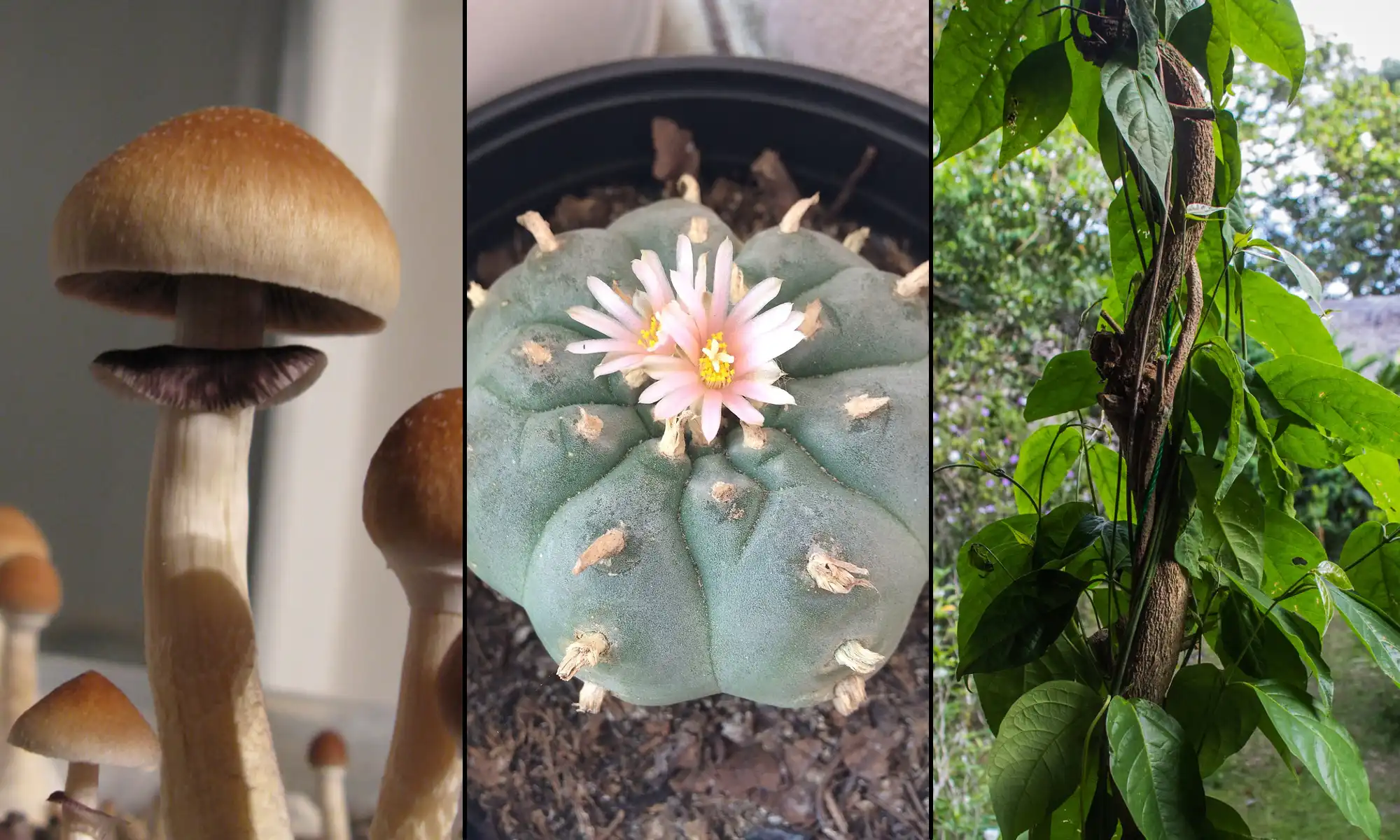
Support for legalizing psychedelics is pacing the way marijuana did in the 1990s—slow, wary, and smelling faintly of cultural change brewing on the back burner. A new RAND Corporation survey of 10,122 adults, conducted by NORC at the University of Chicago in late 2025, sketches a sobering snapshot: Americans are curious, cautious, and not yet ready to throw the doors open on psilocybin, LSD, or MDMA. Only 23 percent say psilocybin mushrooms should be legal. Roughly 10 percent extend that to LSD or MDMA. Meanwhile, cannabis sits on the other side of the arc with 65 percent support for legalization—proof that public opinion can move, and fast, when the country decides to grow up a little. This is the first nationally representative dive, substance by substance, into psychedelics policy preferences, and it reads like a mood board for a movement in its awkward teenage years—earnest, contrarian, and still figuring out how to dress for dinner. You can see the bones of tomorrow in it, even as today shrugs.
Numbers, not neon: where the public stands
Strip away the mystique and you’re left with pragmatic instincts. Medical contexts earn trust. Party-drug optics don’t. RAND’s survey shows support clustering around health-oriented access and supervision, not free-for-all retail. If you’re hunting for the contours of a future market—or a policy framework that voters might actually tolerate—this is the map:
- 23% support legal psilocybin; ~10% support legal LSD or MDMA.
- 65% support legal marijuana, underscoring the comparison point.
- Among people who’ve used psilocybin, 62% support legalization; among marijuana users, 80% support cannabis legalization.
- Among those who support legal psilocybin, 56% favor medical-only access; 42% would allow adult use for any reason.
- If psilocybin were legal, 49% prefer use at a supervised medical facility; 28% choose dispensaries; 23% endorse growing or foraging for personal use.
- Margin of error: ±1.33 percentage points, with fieldwork from September 9 to October 1, 2025.
Echoes from the cannabis decade
We’ve heard this track before. In the mid-’90s, cannabis legalization polled in the basement while state medical laws creaked open a few windows. Then attitudes shifted—part cultural tide, part policy proof-of-concept, part relentless education campaign. Psychedelics might follow that groove, but only if we stop confusing folklore with facts. This is where the conversation needs more light and less heat, more “how does supervised treatment work?” and fewer cartoon mushrooms on Instagram. We’ve argued before that America’s drag on drug policy is often an information problem, not a moral one—an education deficit dressed up as outrage. See: America Doesn’t Have A ‘Marijuana Problem,’ As NYT Claims—It Has a Cannabis Education Problem (Op-Ed). The same applies here. RAND notes that those with firsthand experience show higher support—a familiar pattern from cannabis—and separate research suggests nearly 10 million American adults microdosed psychedelics in 2025. The practice has outpaced policy, as it often does. Public opinion tends to catch up when the sky—shockingly—fails to fall.
Policy wants a pilot light
Where does that leave lawmakers? Somewhere between medical clinics and retail counters, staring at a fork in the road. Since 2019, dozens of cities have deprioritized psychedelics enforcement, and states like Oregon and Colorado have carved out supervised models and personal possession rules. The federal government can sketch the supply architecture now—or wait for a patchwork to harden into power and precedent. A cautious country, according to RAND’s numbers, is comfortable starting in clinical spaces: supervised, credentialed, auditable. You see versions of that caution in adjacent drug policy debates too, like hospital-based access for cannabis that’s moving from taboo to triage—connective tissue with efforts such as Connecticut Lawmakers Take Up Bill To Allow Medical Marijuana Access In Hospitals. And if you want a preview of how psychedelics might be shepherded into the sunlight—deliberate, staged, with white coats in the room—watch the incrementalism of study panels and task forces, like the momentum captured in Hawaii Senators Approve Bill To Create Psychedelics Task Force To Study Pathways For Access To Psilocybin, MDMA And More.
Bipartisan math and the art of the possible
Psychedelics reform won’t happen because a handful of evangelists shout the loudest. It’ll move when policymakers see a safe, regulated on-ramp that doesn’t spook the horses. Cannabis taught that lesson the hard way, winning support not by romance but by regulation—age gates, labeling, data, tax streams, guardrails sturdy enough for skeptics to grab onto. The same arithmetic could sway swing voters and pragmatic conservatives around psychedelics, just as we saw in the surprising coalition-building behind legal cannabis commerce in places you might not expect; consider the calculated case-making chronicled in Virginia Republican Lawmakers Explain Why They Voted To Legalize Marijuana Sales. If RAND’s polling is the appetizer, the main course is a policy menu that respects medical demand, keeps recreational ambitions patient, and pilots programs with relentless transparency. That’s how you turn wary curiosity into majority support—and how movements upgrade from basement shows to real venues. When you’re ready to keep the conversation going and explore what’s next, step into our shop.