Alabama Medical Marijuana Sales Near Launch After Years Of Delay
Alabama medical cannabis launch: a dusty doorway in Montgomery is about to swing open after five hard, litigious years. Picture concrete floors and steel bones, a “pharmacy-adjacent” shell where the first legal medical marijuana sales in Alabama could start as early as April. No velvet rope. Just a check-in desk, a scanner to verify your patient card, and a quiet promise to keep things moving—no loitering, no nonsense. The Alabama Medical Cannabis Commission (AMCC) has inched this program from courtroom purgatory to fluorescent reality, and you can feel the relief in the voices of people who’ve waited through it. Advocates like Amanda Taylor, living with multiple sclerosis and a constellation of lesions, sound less triumphant than tired; gratitude laced with the memory of needless delays. This is cannabis taxation and regulation in the Deep South—cautious, clinical, and finally, almost here.
What’s really opening—and how fast
Callie’s Apothecary in Montgomery, operating as CCS of Alabama, is poised to be first to market. AMCC has already issued dispensary licenses to CCS; Birmingham-based GP6 Wellness; and Montgomery’s RJK Holdings. A fourth is pending for Yellowhammer Dispensaries. Once that final piece snaps into place, Alabama expects a dozen storefronts statewide. Owner Vince Schilleci says Callie’s bet early, buying equipment before licenses were formally in hand. Risky, sure. But now the shelves and scanners arrive before the crowd. Physicians won’t prescribe; they’ll recommend products for qualifying conditions—cancer, chronic pain, PTSD, Parkinson’s, sickle-cell, depression, terminal illnesses. As of last week, about 20 doctors held certifications, with roughly nine tied into the patient registry. Early days, lean numbers. Yet the mechanics are set: register, consult a board-certified physician, get a recommendation, and pick up a regulated product from a dispensary that’s more lab counter than head shop.
- Approved product forms: tablets, tinctures, patches, oils, and gummies (peach-only, because Alabama loves a boundary with a fruit note).
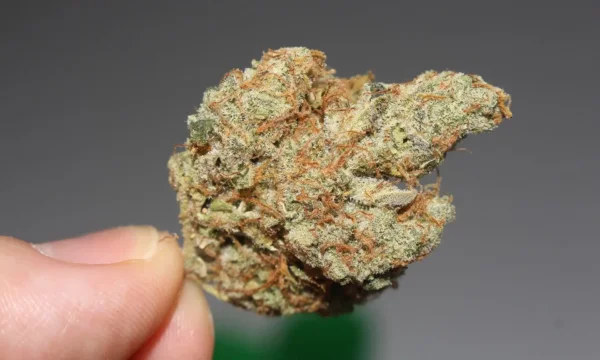
- Prohibited: raw flower and any smokable form—no joints, no pipes, no “it’s-legal-in-Colorado” reruns.
- Process: patient registry, physician recommendation, purchase at licensed dispensary.
The human math behind the rollout
Here’s the twist: fewer than 10 patients were fully registered going into the week. That’s not a market; it’s a proof of life. But that’s how legal cannabis revenue stories usually start in strict states—quiet, paperwork-heavy, and painfully deliberate. Patients like Taylor have already paid the tax of waiting: years of litigation, a churn of licensing fights, and the psychic toll of a promised medicine kept behind rope lines. Across the map, policy whiplash adds texture to the picture. In Texas, new rules have advocates warning that Texas Could See A Spike In Raids On Hemp Businesses Under New Rules, Industry Advocates Fear. Meanwhile, on workplace rights, Oklahoma Lawmakers Reject Bill To Let Employers Fire More Workers For Using Medical Marijuana, a reminder that patient protections vary wildly. And to the east, Virginia’s retail blueprint inches toward daylight—first with a deal, then a vote—documented in Virginia Lawmakers Reach Deal On Final Bill To Legalize Recreational Marijuana Sales and Virginia Lawmakers Pass Bill To Legalize Recreational Marijuana Sales, Sending It To Governor’s Desk. Different states, different speeds. Alabama chose the slow burn.
At the counter: strict, swift, and by the book
Callie’s plans to move patients in and out quickly—security first, privacy next, and no lingering. Staff won’t give medical advice; they’ll answer questions about products already recommended by physicians, in a consultation room kept aside from the sales floor. It’s “retail,” sure, but with the bedside calm of a clinic that knows it’s handling more than a transaction. For people asking how to find legal cannabis in Alabama, the early map looks like this—CCS (Montgomery, Bessemer, Talladega); GP6 Wellness (Birmingham, Athens, Attalla); RJK Holdings (Oxford, Daphne, Mobile); and Yellowhammer, if cleared (Birmingham, Owens Cross Roads, Demopolis). It’s a first pass at a statewide network. Not flashy, not sprawling. Just enough nodes to test the pipes, verify the software, and prove the Alabama cannabis market can hum without springing a leak.
- CCS of Alabama: Montgomery, Bessemer, Talladega
- GP6 Wellness: Birmingham, Athens, Attalla
- RJK Holdings: Oxford, Daphne, Mobile
- Yellowhammer (pending): Birmingham, Owens Cross Roads, Demopolis
The stakes: patients, trust, and a narrow lane
The first few months will be about trust. Can AMCC keep licenses clean and litigation-light? Can physicians who went through certification actually use it at scale? Will patients—many of them older, many exhausted—take the bureaucratic steps to register and get a recommendation? Schilleci’s team gambled on readiness so opening day wouldn’t feel like a soft launch at a strip mall. That bets on pent-up demand and the magnetism of legality: predictable quality, a paper trail, and a cashier who answers to a regulator, not a buddy with a backpack. Alabama’s cannabis taxation is more guardrail than gravy right now, but legal cannabis revenue follows reliability. Start small. Don’t spook the horses. If you want the deeper policy backstory, the Alabama Reflector has a sober rundown of the program’s contours and delays at this report. And if you’re browsing compliant hemp while the state’s machine finds its rhythm, you’ll find it at our shop.