A New Government-Run Marijuana Store Just Opened In Minnesota
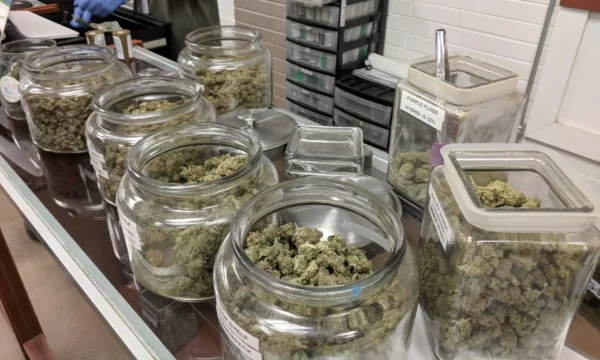
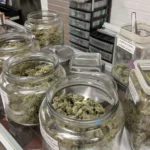
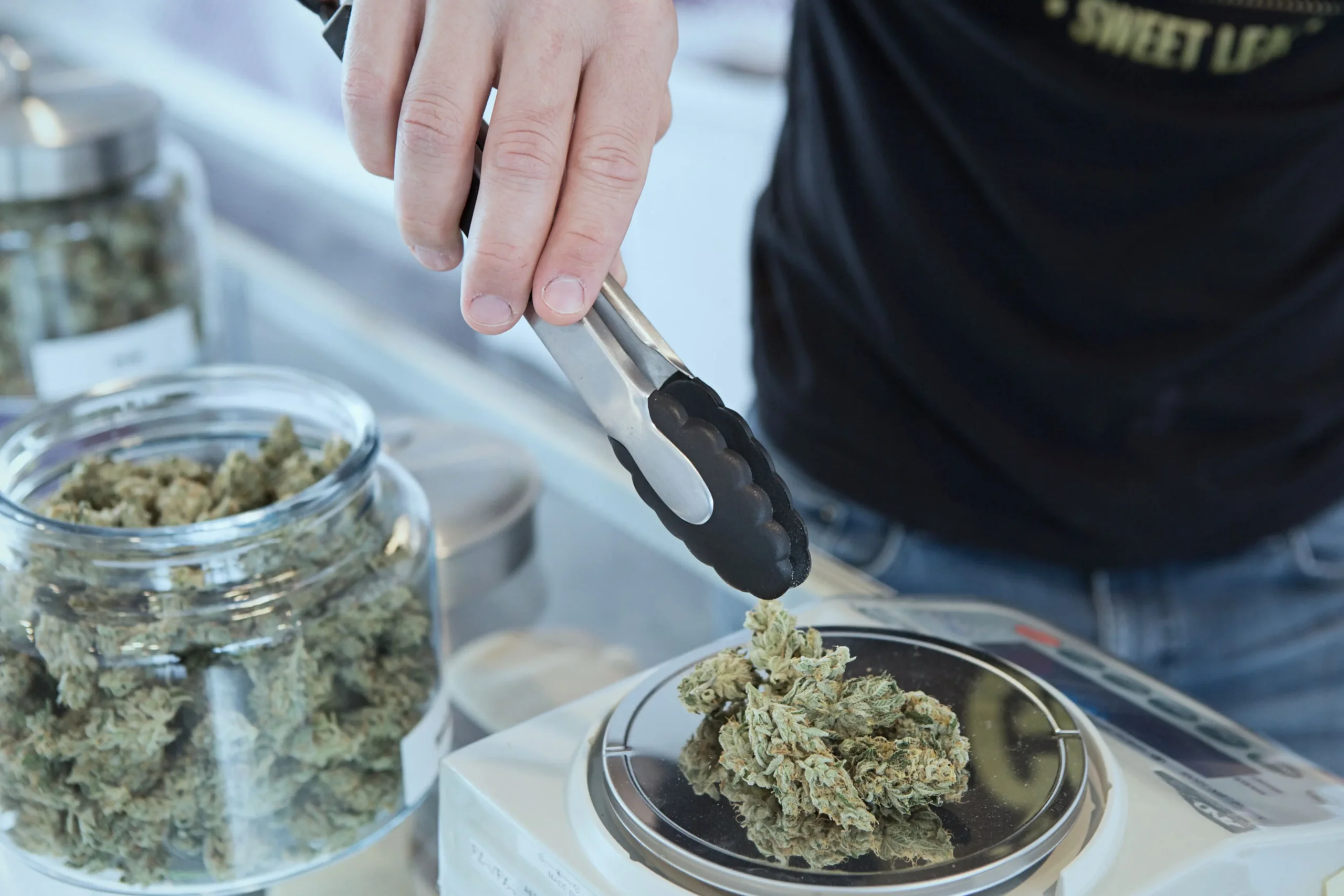
Minnesota government-run marijuana store, open for business and daring the rest of the country to keep up. In Anoka, the lights came on with a soft launch and the kind of small-town confidence that makes you believe in municipal swagger: reservations first, walk-ins next, official opening on Friday, and a grand opening on Saturday. It’s a clean break from the old backroom drama into an adult-use cannabis program with receipts, liability insurance, and someone at city hall who answers the phone. The Minnesota cannabis market is still finding its sea legs, but here’s a fresh experiment with skin in the game, one that hums with the promise of legal cannabis revenue and the inevitability of change.
City hall runs the register
Mayor Erik Skogquist put it plainly: residents want safe, vibrant neighborhoods and low taxes. The Anoka Cannabis Company is the city’s bet that a municipal cannabis dispensary can deliver both. It’s pragmatic and a little punk—less campaign slogan, more ledger sheet. Kevin Morelli, the city’s liquor and cannabis operations manager, talked about building loyalty the old-fashioned way: open the doors, treat people right, and don’t run out of product. “We hope to be busy,” he said, the kind of line that sounds like a prayer and a challenge in retail, as reported by Minnesota Public Radio. It’s the public sector stepping behind the counter, testing whether cannabis taxation and community stewardship can share the same drawer.
Tribal supply and a different kind of handshake
The store is sourcing cannabis from the Prairie Island Indian Community and the Mille Lacs Band of Ojibwe, a partnership that says something about supply chains and something deeper about respect. In a market where regulation can feel like a maze built by competing committees, tribal operators have moved quickly and cleanly, offering compliant products with cultural gravity. The result is a local government staking its retail fortunes on sovereign producers who know the land and the stakes. It’s not just inventory; it’s a blueprint. Get the grown-ups—tribes, cities, regulators—into the same kitchen, and the menu gets better. Social equity stops being a panel discussion and becomes a purchase order. If this holds, the Minnesota cannabis market could become a case study in how municipal ownership and tribal enterprise can stabilize price, ensure product safety, and center community benefit over quick flips.
Minnesota’s rolling experiment
Legalization came in 2023, and since then the state has taken a jazzy, improvisational route to normalization: on-site sales and consumption at licensed events, the first non-tribal shops opening to adults 21 and older, even a city crowdsourcing the name of its government-branded gummies. The Office of Cannabis Management has handed out microbusiness cultivation licenses and opened lanes for testing labs and event permits, all while verifying social equity claims and sanding down ancient rough edges—like scrapping the absurd criminalization of bong water as if it were pure contraband. It’s messy, sure, but so is democracy, and cannabis regulation always was going to be a long-haul dish. And look around: hospitals are stirring into the conversation, too, with policy ripples from federal rescheduling pushing clinical doors ajar—see Virginia Bill To Allow Medical Marijuana Use In Hospitals Following Federal Rescheduling Advances Toward Senate Floor Vote. When care systems begin integrating cannabis, the taboo doesn’t just fade; it gets billed under insurance codes.
Rules, rescheduling, and the hemp thicket
Even as Anoka rings up sales, the air is thick with federal static. Minnesota’s governor has been weighing how to respond to a looming federal hemp THC crackdown that could sideswipe a thriving, regulated niche the state painstakingly built. Members of the state’s congressional delegation want a rational framework, not a sledgehammer. That kind of clarity starts with national guidance—what counts, what doesn’t, and how to label the bottle. It’s why deadlines and definitions matter, like those facing the FDA on cannabinoid listings and packaging standards, a thread we’ve been tracking in FDA Faces Deadline To Publish Cannabinoid Lists And Define Hemp Product ‘Containers’ Under Law Trump Signed. Meanwhile, consumers are well ahead of the bureaucracy: they broadly support federal rescheduling and are waiting—none too patiently—for the next shoe to drop, as reflected in Marijuana Consumers Overwhelmingly Back Trump’s Rescheduling Order, Poll Shows As Advocates Await DOJ Action. And yes, gummies have gone from punchline to policy lever, with states formalizing access and safety standards; the ground truth from the heartland is right here: Kentucky Governor Announces Medical Marijuana Gummies Are Now Available, While Pushing Lawmakers To Approve New Qualifying Conditions.
The bet in Anoka
So what does a government-run dispensary really signal? That cannabis industry impact isn’t just measured by quarterly growth but by whether your parks get mowed, your libraries stay open late, and your streets don’t buckle in spring. That legal cannabis revenue can be more than a check cut to a faraway treasury; it can be a daily dividend, a municipal feedback loop you can actually feel. If this works, you’ll see copycats: city councils debating shelf sets and storefront hours, procurement teams learning terpene profiles, and local budgets balancing on a green line item with less volatility than boom-and-bust sin taxes. If it stumbles, it will still leave a map of the potholes for the next crew. Either way, Minnesota’s municipal experiment puts responsibility where the rhetoric has always pointed—close to home. And if you’re ready to explore what’s next on your own terms, step into our shop and see what’s fresh: https://thcaorder.com/shop/.