

Millions Of Americans Use CBD As A Substitute For Painkillers And Other Medications, Federally Funded Study Shows
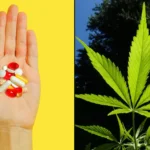
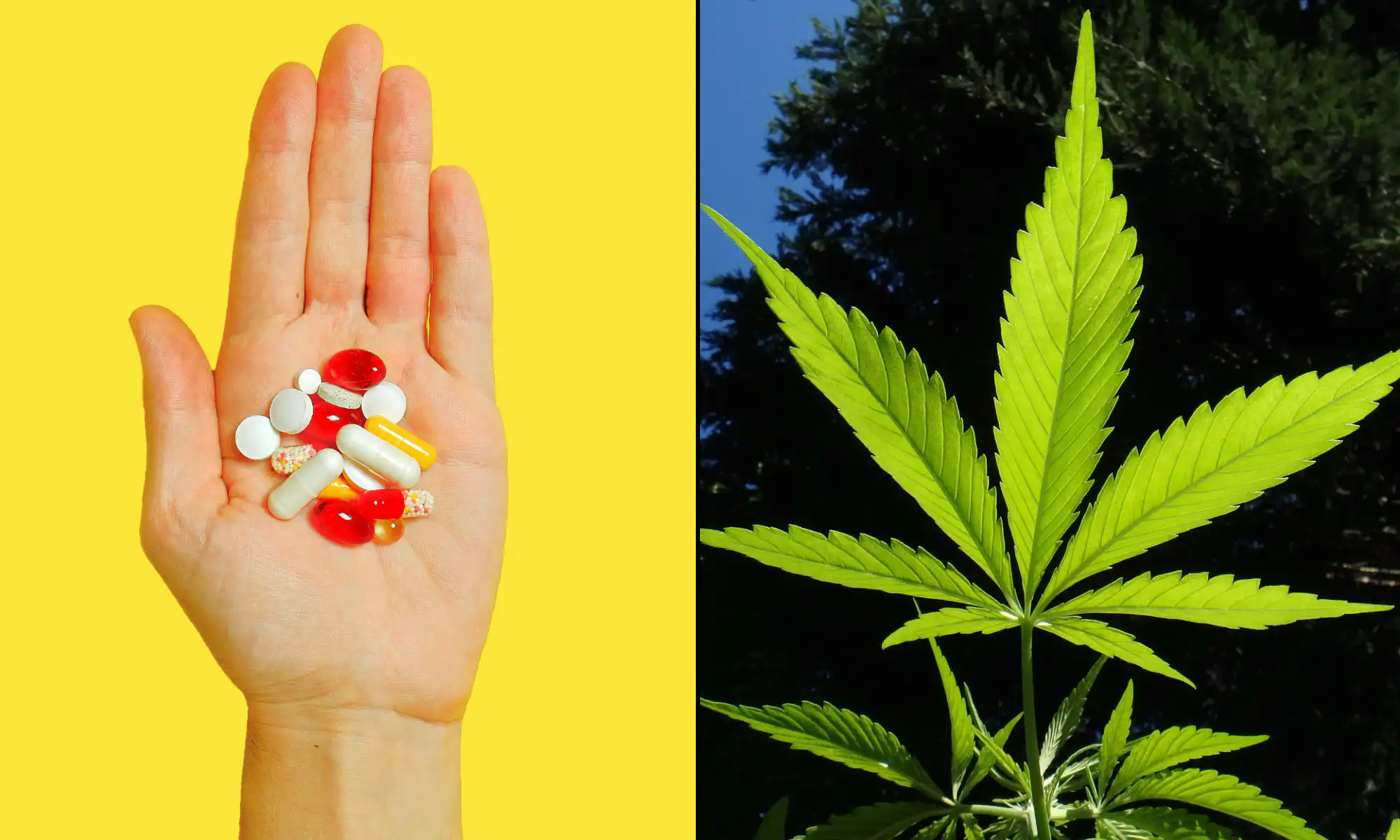
Millions of Americans use CBD as a substitute for painkillers—that’s the headline baked into a new, federally backed snapshot of how this country really medicates when the clinic’s closed and the ibuprofen runs out. Researchers at the University of California, San Diego, with partial support from NIDA, sifted through nationally representative survey data and found something blunt and unvarnished: about 35 percent of U.S. adults say they’ve tried CBD, and among those users, nearly one in three leans on it as a replacement or wingman for at least one medication. The study, published in Frontiers in Public Health, is not another puff piece; it’s a low-lit portrait of a nation self-tuning its nervous systems, joints, and routines with a non-intoxicating cannabinoid while the medical establishment debates dosing tables and drug–drug interactions. Adjunct use—CBD plus your usual pill—was more common than outright substitution, but either way, it’s clear the cat is out of the pharmacy bag.
The study’s throughline: millions are using CBD alongside—or instead of—familiar pain relievers, often with few reported problems but far too little official guidance.
If you want receipts, the ledger reads like a pain map. People reaching for cannabidiol aim it at everyday battlegrounds: creaky joints, rumbling anxiety, nagging aches that never RSVP but always arrive. Among lifetime CBD consumers in the survey (n = 1,008), 32 percent said they used it to substitute for or complement at least one medication. The “why” isn’t exotic; it’s pragmatic. For many, this is about getting through the day without feeling like a lab experiment. The researchers call out the common targets and swaps, and the picture is surprisingly tidy for something sold next to gummy vitamins:
- Most frequently targeted conditions: musculoskeletal and connective tissue complaints like joint pain (about 10.1%), psychiatric conditions such as anxiety (around 7.4%), and general disorders/administration site issues (roughly 6.8%).
- Frequently replaced or co-administered meds: over-the-counter analgesics like ibuprofen and acetaminophen.
- Self-reported problems attributed to CBD: rare—about 2.4% of ever-users.
But there’s a caution label in the fine print: CBD can tinker with how your body metabolizes other drugs. That means potential interactions—not a guaranteed disaster, but enough to demand grown-up supervision. The authors argue for clear dosing guidance, product quality standards, and better rules of the road for mixing CBD with other treatments—basic guardrails we still don’t have in a marketplace built on QR codes and vibes. The Food and Drug Administration, for its part, has only approved a CBD-based medication for severe epilepsy—proof that cannabinoid therapeutics can be real, if not yet routine. Until more rigorous evidence piles up, we’ve got a country conducting an open-air pilot study with inconsistent labels and a million variables. The full paper is worth a look: Frontiers in Public Health.
Here’s the thing about CBD in America: it didn’t just drift out of a wellness catalog; it clawed its way through the 2018 Farm Bill and into gas stations, co-ops, and bedside tables, then parked in the blind spots of our medical system. Some days, it feels like we’re drawing the map as we drive it. Federal and state policy keep throwing elbows in the narrow aisle, and each nudge changes what’s on the shelf and who can access it. You can see the seams in the headlines: in Washington, a GOP Senator Dodges Question About Nebraska’s Exclusion From Medical Marijuana Protections At Federal Level; down in Nashville, a leading Republican hints at openings with Top GOP Tennessee Lawmaker Says Federal Marijuana Rescheduling Could Open Door To Legalizing Medical Use In His State; in the Plains, technocratic tinkering hits a wall as a South Dakota Bill To Eliminate Medical Marijuana Oversight Committee Fails In Senate Panel; out West, product rules wobble when an Oregon Bill To Ban Marijuana Edibles With More Than 10 Milligrams Of THC Fails. It’s a patchwork quilt, and beneath it are millions of patients trying to stitch together relief without unraveling the rest of their lives.
The substitution story isn’t wishful thinking—it’s a data trail
Zoom out and the CBD-as-alternative thread weaves into a broader tapestry: multiple peer-reviewed studies have found that when legal cannabis programs roll out, opioid prescriptions often shrink, especially among people managing chronic pain or cancer-related symptoms. Some analyses even chart declines in fatal overdoses where adult-use markets opened early in the crisis. No, that’s not a hall pass to self-prescribe everything under the sun; it’s a signal. Give people access to a different tool—one with a better side-effect profile for many—and they sometimes drop the sharper knife. The UCSD paper says the quiet part out loud: if low-to-moderate doses of CBD help someone dial down anxiety or cut back on meds with gnarlier risks, that’s a net benefit. But it also highlights a paradox: millions are already co-using CBD with prescription and OTC drugs, while formal guidance lags. That gap between practice and policy is where confusion—and preventable harm—likes to hide.
What happens next depends on whether we build the runway before the plane lands
Right now, the CBD market lives in a gray corridor: federally legal hemp cracked the door, but strict THC thresholds, product variability, and the specter of tighter rules could kneecap availability if regulators overcorrect. Proposals to ratchet down permissible THC content might spare isolates yet squeeze most full-spectrum products, not because they’re dangerous, but because cannabis plants are stubbornly themselves. Consumers don’t live in white papers; they live in bodies that need sleep, movement, relief. Sensible steps aren’t rocket science: third-party lab tests you can actually read, honest cannabinoid content, contaminants near zero, and dosing guidance that doesn’t sound like a dare. Talk to your clinician if you’re taking other meds—especially blood thinners, seizure drugs, or any prescription that already comes with a metabolic warning label. Start low, go slow, keep notes. And while policymakers and scientists argue over the map legend, the rest of us will keep navigating by streetlight and experience—ideally with products that are clean, compliant, and easy to trust. If you’re exploring that path today, you can find rigorously sourced options in our shop: https://thcaorder.com/shop/.