
Hawaii Senators Advance Bill To Create Psychedelics Task Force And Study Pathways To Access Psilocybin And MDMA
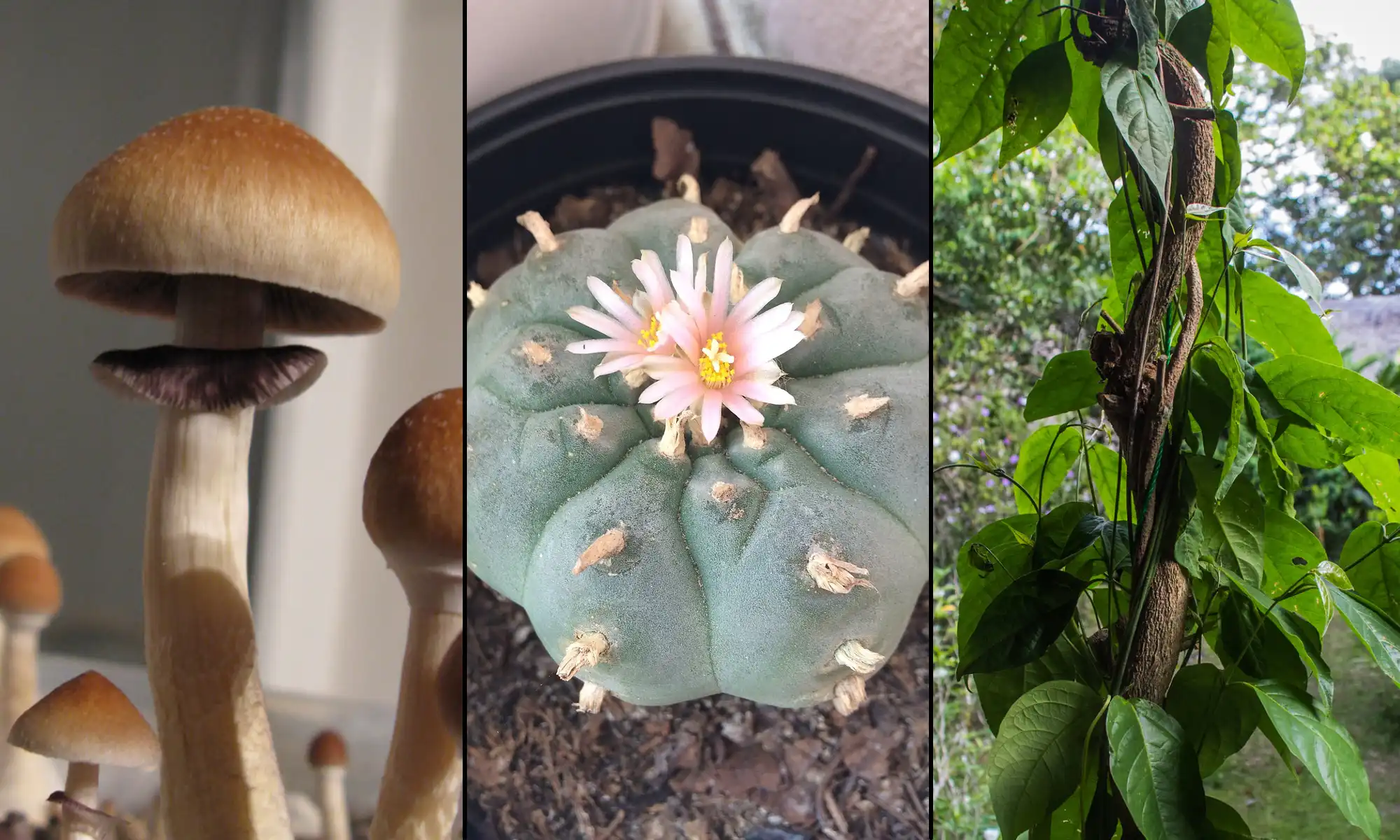
Hawaii Psychedelics Task Force Clears Another Hurdle—the kind of clean, unanimous slice you hear from a sharp knife on a well-worn cutting board. In a 12–0 vote, the Senate’s money counters signed off on SB 3199, moving a Hawaii psychedelics task force toward the floor and into the bright, uncertain light of implementation. A week earlier, the health panel gave it a unanimous nod, too. The mandate is simple on paper and messy in practice: spend two years combing through the science on psilocybin and MDMA, support more clinical research, and draft policy that’s safe, ethical, and culturally rooted in the islands. The bill’s language doesn’t mince words about urgency—veterans, first responders, trauma survivors. Suicide. Real stakes, not theoretical. This is what happens when a state starts asking tougher questions than “is it legal?” and graduates to “does it heal?” The Food and Drug Administration has already stamped both compounds with “breakthrough therapy” status, a bureaucratic way of saying the old treatments aren’t cutting it and something promising is at hand. The subtext in Honolulu is preparation: if federal walls shift—and they might—Hawaii wants its house in order.
The blueprint: science first, politics second
The scaffolding is deliberate. Seats at the table go to the Department of Health, the attorney general’s office, the Office of Wellness and Resilience, and the University of Hawaii’s medical school, among others. But here’s the twist born of sober committee work: oversight won’t sit inside DOH. Lawmakers amended the bill so the task force is administratively housed with an entity steeped in primary scientific research and medical or pharmaceutical education. Translation: keep the clinicians and researchers driving while regulators keep their hands on the wheel they already own. The statute is explicit that nothing here siphons off authority from health, pharmacy, or licensing agencies. The aim is brain trust, not turf war. It also builds on Hawaii’s earlier foray—a prior task force that started mapping pathways to therapeutic access. Taken together, it’s a plan with roots, not a headline made to wilt by morning.
Why the timing matters
Policy windows are fickle things. With psilocybin and MDMA edging closer to mainstream medicine, Hawaii is trying to synchronize the metronomes: federal rescheduling possibilities, local clinical capacity, and community trust. That last one—trust—will make or break any rollout. “Culturally informed” can’t just be a bullet point. It means bringing Native Hawaiian perspectives into program design, it means training providers to recognize the difference between ceremonial traditions and clinical protocols, and it means making sure access doesn’t calcify around wealth or zip codes. The work ahead looks more like stitching than hammering: therapist training pipelines, data systems that can actually measure outcomes, and guardrails for safety when the psychedelic honeymoon glow fades and the hard cases show up. The promise is real: relief for PTSD, depression, addiction. But the kitchen gets hot when you scale. Hawaii is setting the mise en place now so it doesn’t burn the entrée later.
The cannabis crosscurrents
Meanwhile, the marijuana file isn’t sleeping. Senators advanced a bill to legalize low-dose, low-potency cannabis even as House leaders all but said, “not this year” to ending broader prohibition. A separate measure would let medical cannabis patients access dispensaries immediately after submitting registrations—no more limbo waiting for plastic to arrive—while other proposals were shelved, including one tethered to future federal shifts and another on hemp-derived cannabinoids. That split-screen is familiar across the mainland. Virginia is flirting with a comprehensive reset, from storefronts to justice, as detailed in Virginia Marijuana Bills Near Finish Line With Votes On Legalizing Sales And Resentencing Prior Convictions. In hospitals, the medical pragmatists are having their own moment—see the push described in Washington Bill To Allow Medical Marijuana Use In Hospitals Heads To Governor’s Desk. And the ballot box? Sunshine State voters are reading the room, even as officials bicker over paperwork, per Florida Voters Support Marijuana Legalization, New Poll Shows As State Officials Defend Invalidation Of Ballot Signatures. Hawaii’s committees are moving like short-order cooks during a lunch rush—some plates flying out, some orders bumped, some specials eighty-sixed before the ticket even prints.
Zoom out and a pattern emerges: when policy meets pain, the hard questions turn fiscal fast. Who pays for training MDMA-assisted therapists? How do you keep therapy accessible without turning it into boutique wellness for the sunburned and well-insured? If the cannabis era taught us anything, it’s that regulation can redirect cash to public needs when done with backbone. Look no further than the budget math highlighted in Michigan Officials Are Sending Nearly $100 Million In Marijuana Tax Money To Local Government And Tribes. Psychedelics aren’t cannabis—they won’t be a grab-and-go retail boom—and they shouldn’t be. But programs still need funding streams, from clinical trials to safety hotlines to culturally competent outreach. Hawaii’s choice to anchor this effort in research and medical education suggests it understands the stakes: this is health care infrastructure, not a novelty act. Build it with humility, staff it with pros, track outcomes like lives depend on it—because sometimes they do. And if you’re curious where the wider market meets craft and care, you can always start by browsing our curated selection here: https://thcaorder.com/shop/.