Supreme Court Justices Suggest Trump’s Marijuana Rescheduling Move Undermines Gun Ban For Users That His DOJ Is Defending
Federal gun ban for marijuana users meets a skeptical Supreme Court
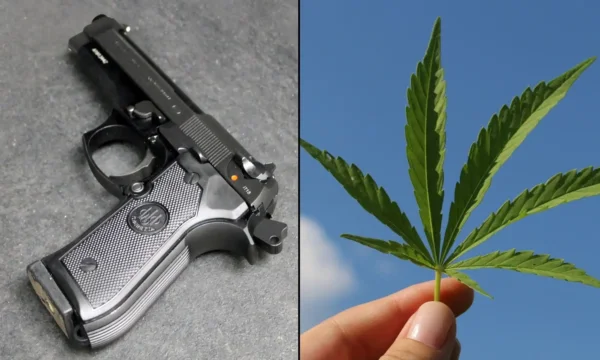
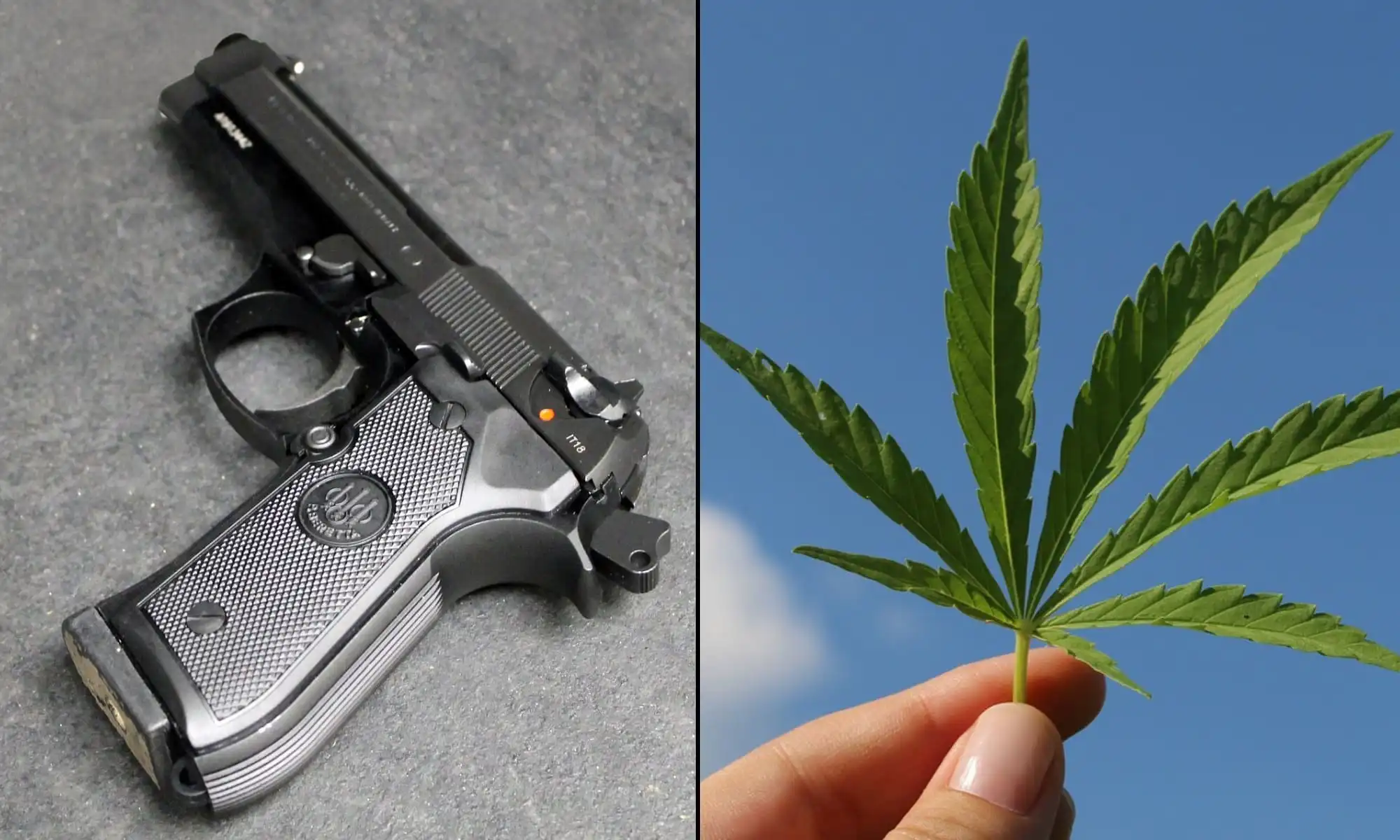
The federal gun ban for marijuana users is on the grill at the nation’s highest court, sizzling under a heat lamp of skepticism. In U.S. v. Hemani, justices pressed the government to explain why cannabis consumers—millions of whom live and shop under legal frameworks in their states—should be categorically disarmed under Section 922(g)(3) of the Gun Control Act. The Controlled Substances Act kept cannabis at Schedule I for decades, but now the talk of rescheduling to Schedule III hangs over the courtroom like the smell of last night’s whiskey: hard to ignore, even if you won’t admit it’s there. If the government itself is moving cannabis down the danger ladder, the justices asked, how does the old story about “unique danger” still play? That’s the core collision of marijuana policy reform, the Second Amendment, and the fragile logic of federal prohibition.
Rescheduling, risk, and a rule that looks past its sell-by date
Several justices drilled into the contradiction at the heart of the case. If cannabis shifts to Schedule III—alongside substances recognized for medical use—can the government still paint all users as inherently risky in a way that justifies permanent disarmament? The government’s answer boiled down to timing and labels: at the time of the offense, marijuana was Schedule I; even Schedule III drugs can be dangerous. But the bench pushed back. Danger isn’t just a filing cabinet category. It’s a real-world standard, and a slippery one, especially when lawmakers and regulators themselves are rethinking cannabis’s status. That puts a dent in the Department of Justice’s historical analogue, the one that leans on founding-era measures aimed at “habitual drunkards” and the mentally ill. Those old tools were about demonstrable threat, not a blanket ban triggered by mere use of a substance that half the country now buys like hot sauce.
What counts as “habitual”—and when must the government prove it?
Much of the argument circled a simple, hard question: Is an occasional joint the same as chronic intoxication? The historical drunkard laws were about people whose consumption bled into their sober hours—who posed a continuing risk. The government’s modern reading of 922(g)(3), by contrast, often sweeps all “unlawful users” into one bucket, whether it’s a weekly sleep gummy or an all-day binge. Several federal appellate courts have already balked at that overbreadth, demanding either individualized findings of dangerousness or striking down categorical applications to marijuana users outright. That growing split is why this case is at the Court now. If you want the blow-by-blow and legal stakes as they unfolded, see Listen Live: Supreme Court Hears Case On Marijuana Users’ Second Amendment Gun Rights As Trump DOJ Defends Ban. And if you’re more the receipts type, the Supreme Court’s docket and audio tell their own sober story about how the justices are weighing text, history, and common sense.
Supreme Court docket for U.S. v. Hemani | Audio of oral argument
The ATF’s narrowing move, and the state-by-state reality
Meanwhile, the Bureau of Alcohol, Tobacco, Firearms and Explosives has moved to narrow who counts as an “unlawful user,” a shift that would leave fewer people trapped in the no-guns-for-you net. That’s not nothing. It acknowledges the blunt instrument problem: a one-size-fits-all ban that treats anyone who’s ever used an “illegal” drug like they’re one errant heartbeat away from mayhem. And out in the real world, the legal landscape has outpaced the old script. States keep stacking reforms—sometimes in dramatic places. Maryland lawmakers, for example, voted to let first responders unwind off the clock with medical cannabis, a pragmatic nod to reality that cuts against the caricature of universal dangerousness; see Maryland Senators Approve Bill To Let Firefighters And Rescue Workers Use Medical Marijuana While Off Duty. Not every jurisdiction moves in lockstep, and some state attorneys general still defend the federal ban—but even a few governors have publicly second-guessed that hard line. The contradictions pile up like dirty plates at the end of service.
Hemp, prohibition’s last stand, and what the Court might actually do
Zoom out and the patchwork gets wilder. Hemp-derived THC markets bloom while regulators scramble for guardrails, a tangible reminder that prohibition always yields a loophole aisle. That’s sparked an odd-bedfellows coalition—ex-lawmakers and alcohol interests among them—arguing for rules over bans; for a taste of that argument, see Former Congressman And Alcohol Stakeholders Push For Hemp THC Regulations Over Prohibition As Federal Ban Looms. On another front, activists in conservative terrain fight uphill ballot and courtroom battles to secure even basic medical access—resilient, stubborn, and undeterred; look to Nebraska Medical Marijuana Advocates Press Ahead After Campaign Notary Convicted For Misconduct for a window into that grind. Against this backdrop, the Supreme Court has options. It could strike the ban as applied to marijuana users categorically. It could demand individualized findings that a person’s use renders them dangerous in fact, not by stereotype. Or it could bless a narrower, ATF-tuned version that spares the casual consumer but keeps the door open for targeted prosecutions. However it lands, the ruling will ripple across the Michigan dispensary counter, the Oklahoma traffic stop, the Colorado gun shop—the whole messy, modern American ecosystem where cannabis is both mainstream and, absurdly, still contraband.
The road ahead: history, habit, and some overdue honesty
Here’s the uncomfortable truth humming beneath the marble: the government’s “unique danger” story was born in a different era and has been propped up by a schedule chart everyone knows is half fiction. If the Court insists on a historical tradition for restricting gun rights, then the tradition that matters is about demonstrable risk—habitual, persistent impairment—backed by facts, not fear. That’s bad news for a ban that treats a sleep gummy like a scarlet letter. Expect a ruling that tightens the government’s burden or pares back the ban where cannabis is concerned. When it drops, the decision won’t end the fight over cannabis and the Second Amendment, but it will force a reckoning: regulate what’s real, scrap what’s performative, and stop using century-old temperance heuristics to police modern life. And if you prefer to ponder that future with something fragrant, legal, and impeccably grown, our door is open—step into the shop here: https://thcaorder.com/shop/.