Listen Live: Supreme Court Hears Case On Marijuana Users’ Second Amendment Gun Rights As Trump DOJ Defends Ban
Supreme Court marijuana gun rights showdown: Section 922(g)(3) finally faces its reckoning
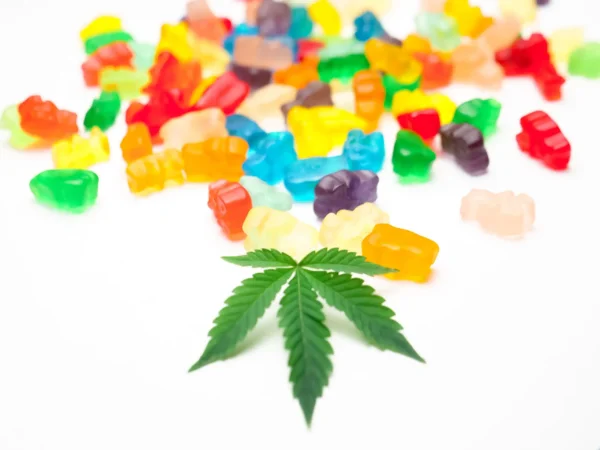
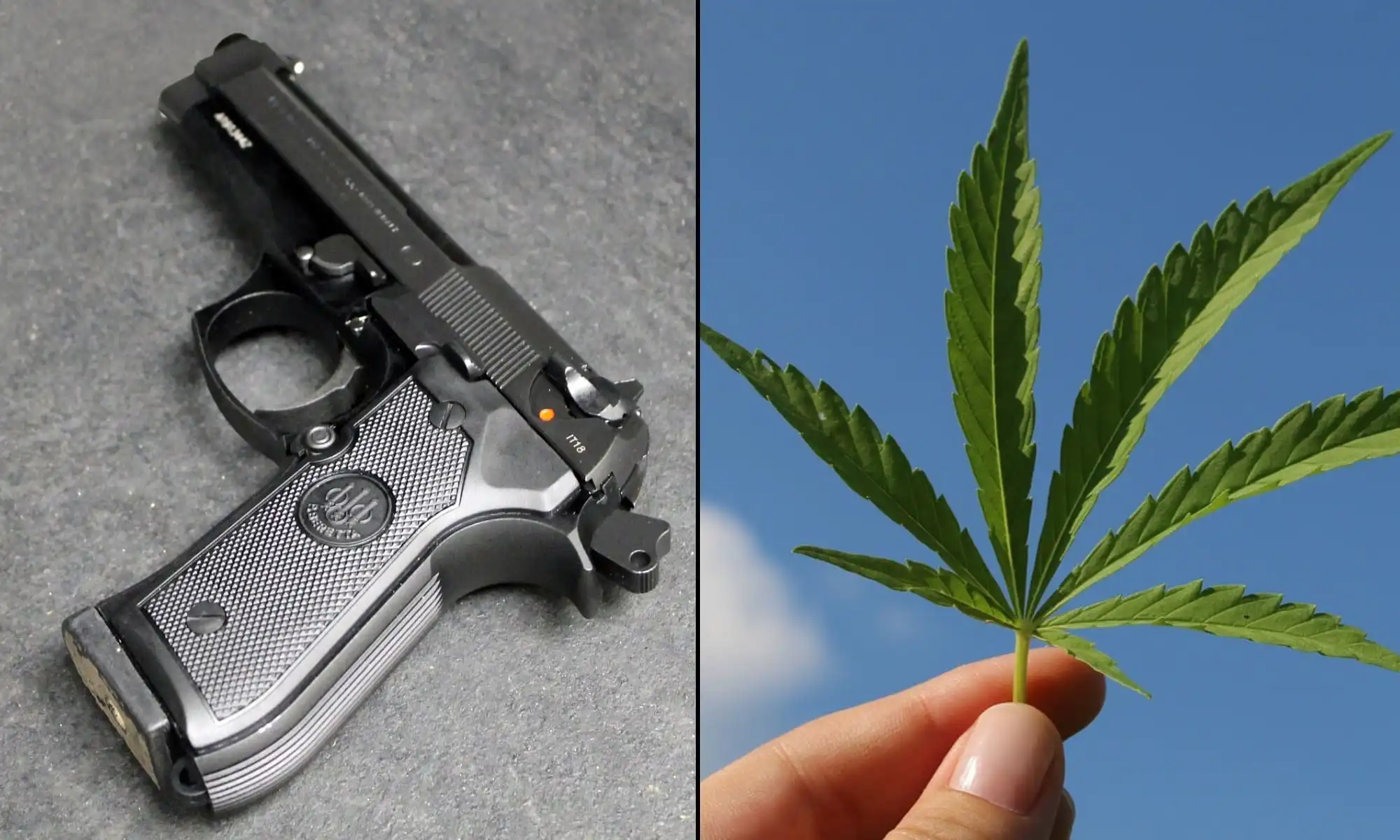
It’s high noon for the country’s most awkward love triangle: guns, weed, and the Constitution. The Supreme Court heard arguments in U.S. v. Hemani, the case that could decide whether the federal ban on firearm possession by people who use marijuana—Section 922(g)(3)—survives the modern world. The government says cannabis consumers are “dangerous,” pointing to dusty analogues like habitual drunkards and the mentally ill to defend a blanket rule born of a different century. Civil rights lawyers and gun groups shoot back: the Second Amendment doesn’t vanish because someone uses a substance that’s legal in most states. The question isn’t whether marijuana is saintly. It’s whether a nation that sells THC gummies on Main Street can still brand every consumer a threat and take their guns without an individualized reason.
The government’s history test, the counterpunch, and a live feed of the stakes
Under the Court’s history-and-tradition test for firearm laws, DOJ is rummaging in the attic for analogues. Some fit about as well as a moth-eaten frock coat. Meanwhile, a strange-bedfellows coalition—ACLU lawyers, gun-rights stalwarts, criminal-defense advocates—argues the ban is a categorical overreach. Nineteen state attorneys general lined up behind the federal position, though Colorado’s governor later second-guessed his own state’s signature on that brief. Even ATF has started loosening its grip, proposing to narrow who counts as an “unlawful user,” a tacit nod that one puff in the last year shouldn’t vaporize your Second Amendment. If you want to hear the tension for yourself, the oral argument feed hums like a neon diner sign at midnight:
Circuits disagree, the policy goalposts move, and history gets a cross-exam
Court after court has been cracking the façade. The Tenth Circuit affirmed a dismissal where prosecutors couldn’t tie mere marijuana use to an actual risk. The Eleventh Circuit gave medical patients breathing room to claim their rights. The Eighth tossed a conviction back to the trial court to ask a simple question too often ignored: did cannabis use make this person dangerous? And the Third Circuit has demanded “individualized judgments,” not labels. Against that backdrop, the justices now hold the map—and the eraser. If they uphold 922(g)(3) as written, many pending cases likely fall the government’s way. If they strike it down, or demand tailored findings, the ban starts to look more like a scalpel than a sledgehammer. Layer in the federal push to move marijuana to Schedule III and DOJ’s own acknowledgment of litigation risk, and you get a legal stew that smells like policy cooked on high, stirred by different administrations with different recipes.
Real people, real consequences, and the crosswinds of drug policy
Hemani’s biography—a dual citizen, flagged by federal eyes—makes headlines. But the rule on trial affects millions who shop in state-legal dispensaries and still face a federal form that turns routine cannabis use into a lifetime “no” at the gun counter. The government has floated everything from storage anxieties to broad claims about impairment. Yet the mismatch between a booming legal marketplace and a prohibition-era gun rule is the kind of contradiction that keeps defense attorneys busy and citizens baffled. It’s not just marijuana, either—the nation can’t decide whether to regulate hemp-derived THC or ban it outright. Some heavy hitters in politics and alcohol are urging a pragmatic path in Former Congressman And Alcohol Stakeholders Push For Hemp THC Regulations Over Prohibition As Federal Ban Looms. Others are pumping the brakes or hitting the gas, depending on the state line, as seen in Indiana Won’t Ban Hemp THC Products This Year After Last-Minute Legislative Push Fails and the gritty persistence captured in Nebraska Medical Marijuana Advocates Press Ahead After Campaign Notary Convicted For Misconduct.
What the Court could do—and what it will mean tomorrow morning
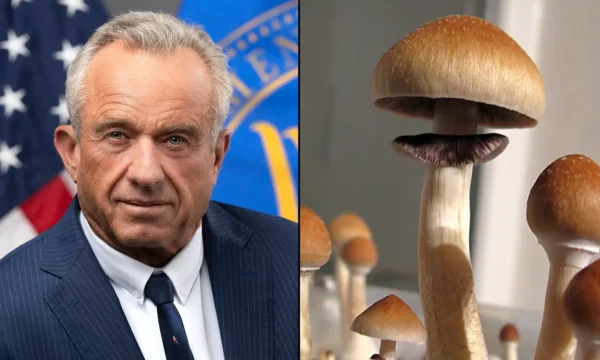
Three roads appear: uphold the core of 922(g)(3) and keep the ban categorical; strike it down as unconstitutional on its face; or split the difference and require proof that a particular person’s use made them dangerous, not just “a user.” On paper, the last option reads tidy. In practice, it means prosecutors have to show their work—and defense lawyers finally get a ruler to measure claims against facts. For lawful consumers in legal markets, the impact is immediate: whether they must choose between a state-legal joint and a constitutional right. For law enforcement, clarity is oxygen; ambiguity just moves the fog. And for the cannabis industry, the Court’s answer touches everything from consumer confidence to background-check compliance to the drumbeat for federal reform. The cultural winds are shifting too—consider how conversations about psychedelics are moving from taboo to policy priority in Trump Administration ‘Very Anxious’ To Allow Psychedelic Therapy ‘As Quickly As Possible,’ RFK Tells Joe Rogan—a reminder that drug policy is no longer a one-lane road patrolled by yesterday’s assumptions.
However the justices slice it, the ruling will echo well beyond one defendant’s file. It will tell us whether “dangerousness” is a conclusion or a burden of proof, whether history is a museum piece or a living document, and whether a nation that taxes and regulates cannabis can, with a straight face, bar every consumer from a right that the Court says is fundamental. The law can be a brutal line cook—indifferent, hot, and fast—but every now and then it sends out a plate that actually nourishes. When the opinion lands, it’ll either be a stiff drink to steady the room or a splash of cold water to the face. Until then, if you’re exploring compliant THCA options while the dust settles, take a quiet tour of our selection here: https://thcaorder.com/shop/.