

Former Congressman And Alcohol Stakeholders Push For Hemp THC Regulations Over Prohibition As Federal Ban Looms
Federal hemp THC ban: the phrase lands like a shot of overproof rum at last call—hot, unavoidable, and about to change the flavor of everything. In Las Vegas, under the neon hum and the shuffle of trade-show shoes, alcohol and hemp insiders huddled at WSWA’s Access LIVE 2026 and read the tea leaves on cannabinoid beverages. The room smelled like new money and old anxieties. A former congressman with liquor superstore credentials said the quiet part loud: consumers want these hemp THC drinks, and they’re not going back to warm club soda. But with a federal hemp THC ban scheduled to kick in, the market’s highball glass is suddenly trembling. If regulators don’t get in the game, the street will. That’s not fearmongering; it’s the kind of hard truth you hear after midnight, when the bartender leans in and tells you there’s a better way to handle this—regulation, not prohibition—because this is no longer a novelty; it’s an adult beverage category colliding with federal policy in real time.
Here’s the legal backdrop, stripped to the studs. The 2018 Farm Bill green-lit hemp and its derivatives under a tight metric: less than 0.3 percent delta-9 THC by dry weight. Entrepreneurs did what entrepreneurs do—innovated around the edges—with delta-8, other isomers, and precisely dosed hemp THC beverages that sidestepped the marijuana dispensary while promising a lighter, friendlier buzz. Then came last year’s spending law, signed by President Donald Trump, set to flip the script this November. The new rules count total THC—delta-9, delta-8, and their cousins—plus any cannabinoid with similar effects, as decided by federal health authorities. It also locks out synthetic conversions and any “intermediate” products marketed straight to consumers. The kicker? Legal hemp items would be capped at 0.4 milligrams of total THC—or similar-effect cannabinoids—per container. That’s not a speed bump; that’s a road closure. FDA was tasked with publishing the master lists of naturally occurring cannabinoids and defining standards, but deadlines have slipped. In the vacuum, the market’s hands start to shake. This isn’t just policy. It’s shelf space, supply chains, and whether a label still means what it says.
Regulate like alcohol, or brace for the hangover
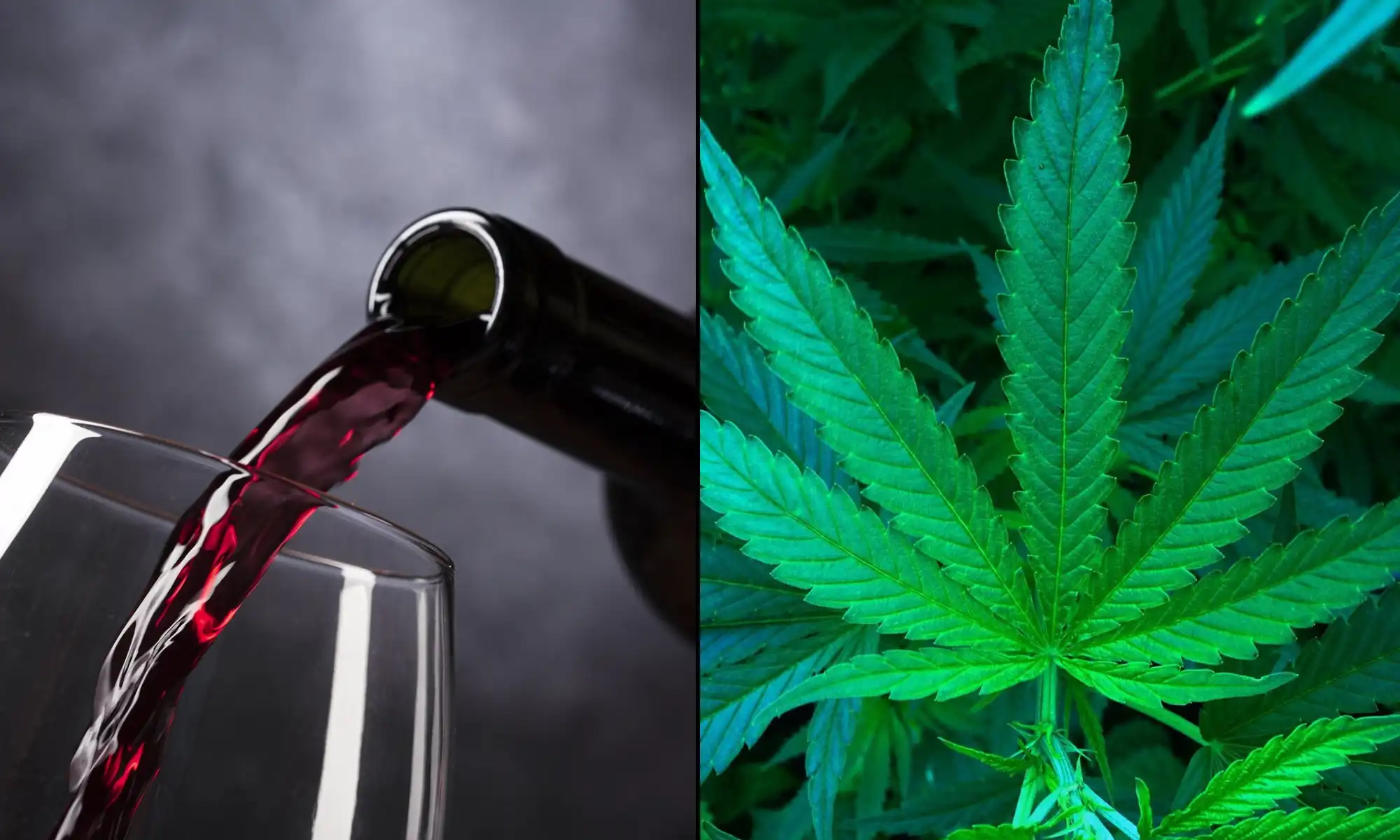
So the alcohol world is making its offer: fold hemp beverages into the same three-tier distribution that governs beer, wine, and spirits—producers, distributors, retailers—while letting FDA police what’s inside the can. It’s a pragmatic pitch with familiar muscle memory. Label accuracy. Batch testing. Age-gating. Recall protocols. The mantra is simple: treat cannabinoid drinks as adult beverages, not contraband. You can feel the clock ticking in that trade-show ballroom, as execs talk about summer recesses and narrow windows for a fix. No one wants a consumer protection problem, and no one wants to turn a booming, above-board category into a scavenger hunt through sketchy online shops. If you want a taste of the industry’s argument from the source, their case for regulation, not prohibition lands like a playbook: keep it safe, keep it transparent, and keep it moving through channels that already know how to card a 21-year-old and pull a product if it goes sideways. In short, build the guardrails before the cliff.
Policy brinkmanship and the patchwork problem
Capitol Hill, predictably, is a swirl of amendments, procedural rulings, and late-game punts. A proposal to delay the federal hemp THC ban by a year as part of the 2026 Farm Bill was floated and then flagged as not germane—another Washington way of saying the clock keeps running while the defense celebrates a technicality. Separate standalone legislation seeks a longer pause—two years—to let stakeholders craft rules that won’t torch an industry overnight. Meanwhile, critics of outright recriminalization span parties and zip codes; even in states that didn’t legalize marijuana, hemp beverages have slipped into everyday life like hard seltzer once did. You can see the friction clearly in the Midwest: Indiana Won’t Ban Hemp THC Products This Year After Last-Minute Legislative Push Fails, a reminder that states are balancing consumer demand with safety—and that blanket bans don’t always make it across the finish line. At the same time, advocacy and access keep evolving on parallel tracks: Bills To Let Patients Use Medical Marijuana In Hospitals Are Advancing In States Across The U.S. while reform campaigns fight through headwinds, like the grit on display in Nebraska Medical Marijuana Advocates Press Ahead After Campaign Notary Convicted For Misconduct. And beyond cannabis, the policy mood music hints at a different posture toward psychoactives, with reports that the current administration is open to faster therapeutic pathways, as noted in Trump Administration ‘Very Anxious’ To Allow Psychedelic Therapy ‘As Quickly As Possible,’ RFK Tells Joe Rogan. Patchwork is the word. Consumers don’t live in patchwork. They live in neighborhoods with corner stores.
And that’s the heartburn. Recriminalize these hemp THC products, and a healthy slice of today’s market doesn’t vanish; it burrows. The former congressman-turned-retail titan put it bluntly: squeeze legality, grow the underground. You can lock the front door, but the party finds a side entrance—less oversight, more risk, no receipts. Meanwhile, legitimate operators who played by the 2018 rules get crushed between new definitions and moving goalposts. The cannabis industry impact won’t be theoretical. It’ll show up in layoffs, in shuttered canning lines, in panicked distributor calls asking what they can legally move on Monday. There’s a sane lane here—federal hemp regulation that treats cannabinoid beverages as what they are: adult-use products requiring dosing clarity, child-resistant packaging, and clear, enforceable standards. Consumers already voted with their wallets. The question for Washington is whether to acknowledge that reality and build the system, or pretend the bottle can be corked again and not shatter in your hand. If you’re navigating this evolving landscape and want compliant THCA options with clarity and care, start here: https://thcaorder.com/shop/.