


Michigan’s Marijuana Tax Experiment Should Be An Urgent Warning To Other States (Op-Ed)
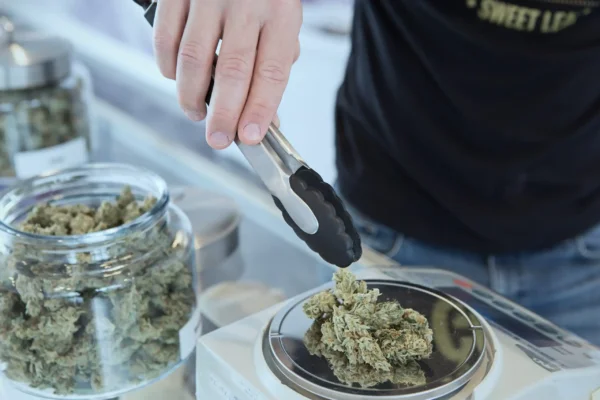
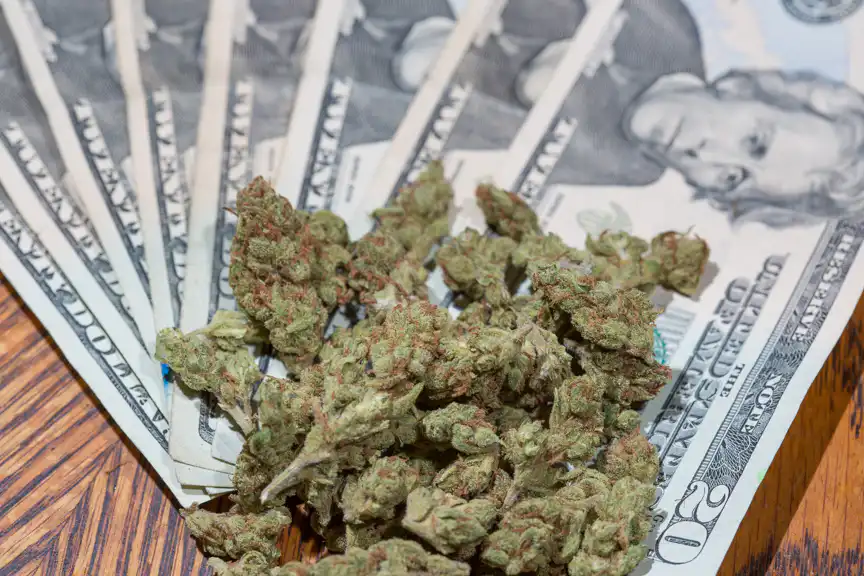
Michigan marijuana tax increase: the phrase hits like a well whiskey at last call—cheap, bracing, and guaranteed to leave a headache in the morning. Michigan once played it smart on cannabis taxation. A 10 percent excise and the standard 6 percent sales tax kept legal prices honest, the illicit market on its heels, and the Michigan cannabis market humming. The state racked up roughly $3.3 billion a year in legal cannabis revenue with only 10 million people, outpacing California on a per-capita basis despite its four-times-larger population. Why? Because price matters. Policy matters. And when the taxman treats a therapeutic product like a vice to be punished, the street wins every time.
Then the menu changed. As of January 1, 2026, lawmakers slapped on a 24 percent wholesale tax—an extra tollbooth set squarely on the supply chain’s throat. The results showed up fast and ugly. January sales dropped to about $226 million, down 16 percent from December and 8 percent year-over-year, the worst monthly clip since late 2022. Retailers had stockpiled product in late 2025 to dodge the new levy, but that created its own distortions. Shelves tilted toward whatever suppliers had on hand, not what customers actually craved, with high-demand lines thinning out while the misfits lingered. Analytics firms flagged the obvious: Michigan’s edge had always been competitive pricing and access; crank up the effective burden and you hand customers back to the untaxed, unregulated, very motivated illicit market—the one that doesn’t care about your receipts or your compliance audits.
The human cost came next. Cannabis had become a rare bright spot for the state’s labor market: about 47,000 Michiganders worked in the industry in 2024, roughly 1 percent of the workforce. Crain’s Detroit Business tallied cannabis as 52 percent of net private-sector job growth from 2018 to 2024. That’s not a curiosity; that’s a pillar. After the wholesale tax landed, the cracks spread: cultivation shutdowns, retail consolidation, and fresh layoff notices. Higher Love trimmed 61 people. C3 Industries shuttered a facility in Webberville and cut 62 jobs, saying the outcome was predictable if the tax passed. PinCanna put its operations up for sale. A prominent retailer warned that up to 30 percent of dispensaries could go dark within a year. This is what “cannabis industry impact” actually looks like—not a spreadsheet, but the Monday meeting where payroll becomes a coin toss.
Policymakers should know this story by heart. Raise cannabis taxation too far and legal demand shrinks, illicit operators thrive, and your “short-term” budget patch leaks like a colander. California road-tested this in 2025 when it bumped excise from 15 to 19 percent; legal sales fell 5 percent to a five-year low, and the state scrambled back to 15. The wider lesson is simple: if you believe in marijuana policy reform, you have to price it like you want it to live. Federal rescheduling talk under Schedule III only sharpens the point. Michigan and California once led the country in treating cannabis as medicine; taxing it harder than alcohol or tobacco betrays that legacy. And while lawmakers toy with grand designs, the market keeps evolving at street level—expanding access for older adults with innovations like Marijuana Kiosks For Seniors Are Coming To Independent Living Communities Across Arizona. That’s the direction you nurture if you want safe, regulated sales to beat the trunk of someone’s car in a parking lot.
There’s no shortage of caution signs flashing beyond Michigan. Some states are hiking rates to plug unrelated fiscal holes; others are gripping the brakes or fiddling with supply constraints and adjacent policy fights. Oklahoma’s move to keep a lid on market saturation echoes through its heartland pragmatism, as noted in Oklahoma Lawmakers Vote To Extend Medical Marijuana Business License Moratorium. In Washington, the hemp world is holding its breath while Congress decides what’s “too intoxicating,” a saga captured in Amendment To Delay Hemp THC Ban Won’t Get A Vote At Farm Bill Hearing, Key GOP Congressional Committee Chair Signals. And the reform wave doesn’t stop at cannabis: legislators are experimenting with the edges of prohibition and public health in pieces like Missouri Lawmakers Approve Psychedelics Bills To Expand Access To And Research On Psilocybin And Ibogaine. The through line is this: design policy like you expect humans to behave like humans—price-sensitive, convenience-seeking, and allergic to moralizing that empties wallets and shelves.
Michigan can still course-correct. The early data is a warning, not a sentence. Reverse the wholesale tax surge, steady the runway for operators, and keep legal prices close enough to the street that people choose IDs over handshakes. Treat cannabis like the regulated therapeutic market it’s becoming, not a vice to bludgeon. And hold on to the soul of the movement that got us here—patients first, access second, revenue third. If you want more context straight from market insiders, you can trace the argument back to the op-ed’s author at Verdant Strategies. If you’re ready to navigate the legal market with intention instead of guesswork, finish the journey where quality, compliance, and craft meet—start here: https://thcaorder.com/shop/.