


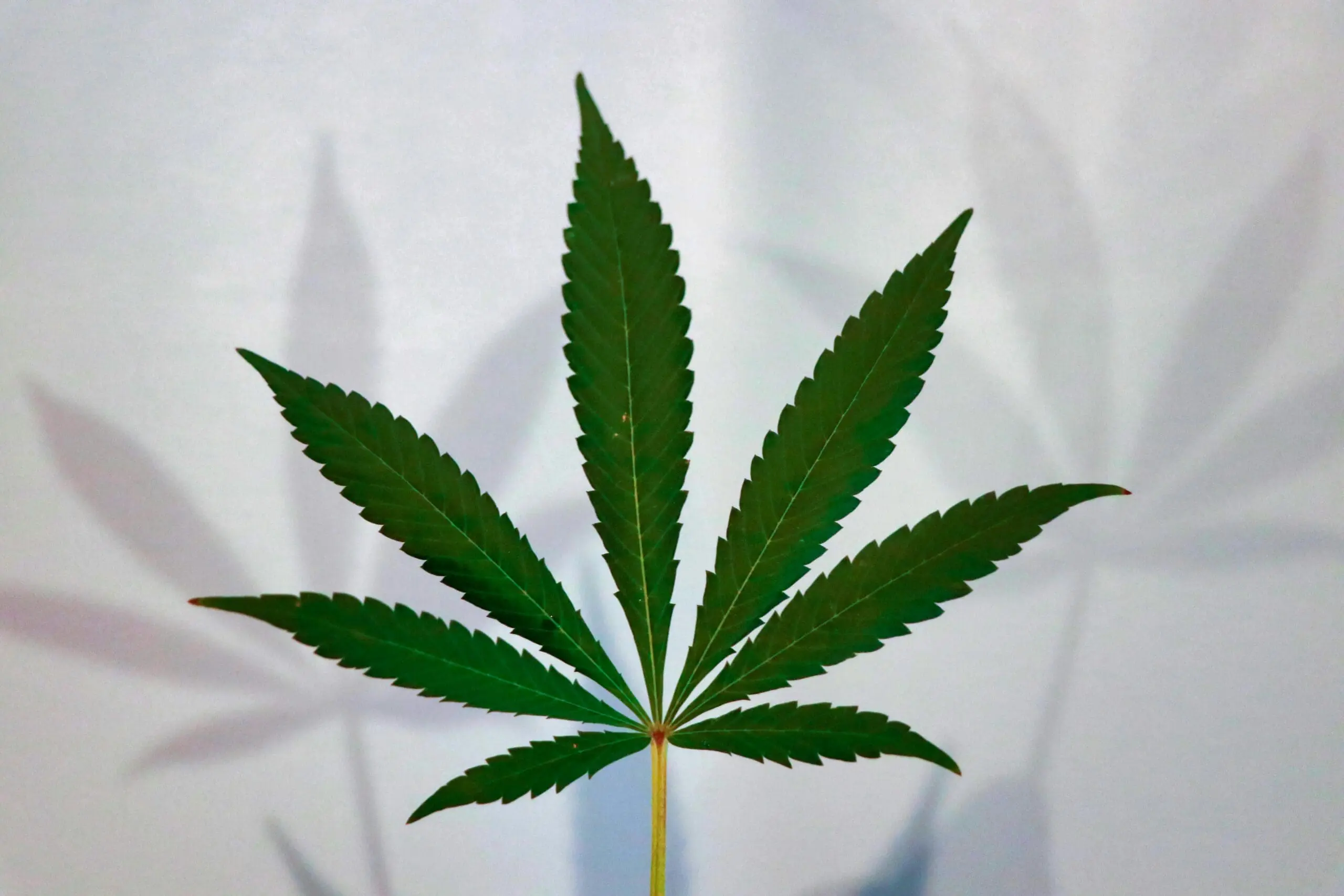
Virginia Lawmakers Approve Bills To Expand Medical Marijuana Access In Hospitals
Virginia medical marijuana in hospitals edges closer to reality
Virginia medical marijuana in hospitals just got a pulse—steady, stubborn, and beating 39–1 in the Senate’s marble heart. SB 332, steered by Sen. Barbara Favola, doesn’t reinvent the wheel so much as bolt it onto a gurney: expand legal protections so hospital staff can help terminally ill patients use medical cannabis, the same way workers in hospices and nursing facilities already do. It’s medicine, not mysticism—oil that can dampen agony, coax back an appetite, and make nausea blink first. The catch is a big one, because there’s always a catch: those protections only switch on if marijuana is federally rescheduled. Until then, this is a menu taped to the wall of a kitchen that hasn’t opened yet. Still, the vote signals a cultural shift—one that treats end-of-life care with a bit more dignity and a little less bureaucracy. Call it a quiet rebellion inside fluorescent corridors, where compassion starts to outrun caution and cannabis policy reform stops being a theory and starts sounding like hospital protocol.
House plan: policy first, smoke-free, and waiting on Washington
Across the hall, the House Health and Human Services Subcommittee fused HB 75 and HB 486 into a single, clean directive: every healthcare facility must craft policies that spell out when and how seriously ill, eligible patients can use medical cannabis. No smoke. No vape. Oils, tinctures, capsules—the discreet grammar of clinical spaces. The subcommittee approved it 7–0, then laced in guardrails that scream risk management: if the Department of Justice, CMS, or any other federal behemoth so much as rattles a saber, hospitals can suspend those allowances. And, like the Senate bill, none of it takes effect until federal rescheduling happens. That’s the stubborn choreography here—federal law leads, states follow, and patients wait. The policy nods to “Ryan’s law” without fully embracing it, hitching Virginia’s hospital access to a Schedule III future that keeps not quite arriving. The result is pragmatic, cautious, and unmistakably human: make room for medical marijuana access in hospitals, but keep a weather eye on Washington while you do it.
Beyond the bedside: sales, taxes, and timelines for Virginia’s recreational market
Zoom out from the ICU to the wider Virginia cannabis market and you see another story pacing the hallway: adult-use sales legislation on the move, but limping under the weight of amendments. The Senate Courts of Justice Committee sent a bill forward that critics say loads fresh penalties onto underage possession and unlicensed grows—bringing the whiff of jail time back to a plant most voters think should be regulated, taxed, and unremarkable. A House companion is sprinting faster, even flirting with a start date this year, while the Senate circles 2027. The bones of a legal cannabis revenue system are clear enough to sketch on a napkin: who sells, who buys, what taxes pay for. Data helps here, so let’s talk brass tacks of cannabis taxation and access as lawmakers debate the launch window:
- Purchases capped at 2.5 ounces per transaction (or equivalent in edibles and concentrates).
- Retail tax up to roughly 12.625% total, with room for local add-ons—and revenue steered toward equity reinvestment, pre-K, public health, and enforcement.
- Delivery allowed, no local opt-outs, and clear THC serving caps (10 mg per piece, 100 mg per package).
- The Virginia Cannabis Control Authority as traffic cop, lab inspector, and gatekeeper.
- Existing medical operators can convert—for a $10 million cover charge—plus labor peace as table stakes.
This is the cannabis industry impact that budget writers, equity advocates, and businesses all circle: a regulated pipeline that turns prohibition’s chaos into policy, revenue, and jobs.
Criminal records, workplace rights, and the patchwork reality next door
Policy doesn’t just move forward; sometimes it has to look back. Another Senate committee advanced a measure to automatically set resentencing hearings for people hit with certain marijuana-related felonies before July 1, 2021—the day Virginia said, in effect, possession at home isn’t a crime. That clean-up is long overdue. Meanwhile, Virginia labor officials published guidance on cannabis consumers’ workplace rights, a reminder that legalization is more than storefronts and taxes—it’s about the daily calculus of risk and respect on the job. The governor supports legal sales, which helps. Still, if you want a reminder of how jagged America’s cannabis map remains, glance over the borders. In one direction, you see reform knocking politely: Bipartisan Wisconsin Lawmakers Circulate Bill To Decriminalize Marijuana. In another, you watch the door slam: New Hampshire Senators Reject House-Passed Marijuana Legalization Bill. The result is a patchwork quilt stitched with hope, veto ink, and the fine print of federal rescheduling.
The fine print is where the real fight lives
Back in the weeds—where policy becomes practice—federal friction still bites. When courts shrug at cannabis commerce getting pinched at the nation’s borders, it sends a chill down every supply chain: Federal Judge Dismisses Marijuana Businesses’ Lawsuit Challenging CBP Seizures Of State-Legal Products. And when state police leaders try to bulldoze gray markets instead of regulating them, patients and consumers pay the tab in uncertainty and distrust: South Carolina Police Leaders Push Lawmakers To Ban Hemp Products Instead Of Regulating Them. Virginia’s hospital bills read like a lesson learned from all that noise: write careful rules, protect the people at the bedside, and wait for the feds to finally pick a lane. When rescheduling lands, these policies can click into place overnight. Until then, we keep the conversation honest, the language simple, and the focus on dignity—because in the fluorescent hum of a midnight ward, the only metric that matters is relief. Ready to explore compliant THCA options with that same respect for clarity and care? Visit our shop.