



Trump Was ‘Poorly Advised’ On Marijuana Rescheduling, GOP Senator Says After Directly Raising Concerns With President
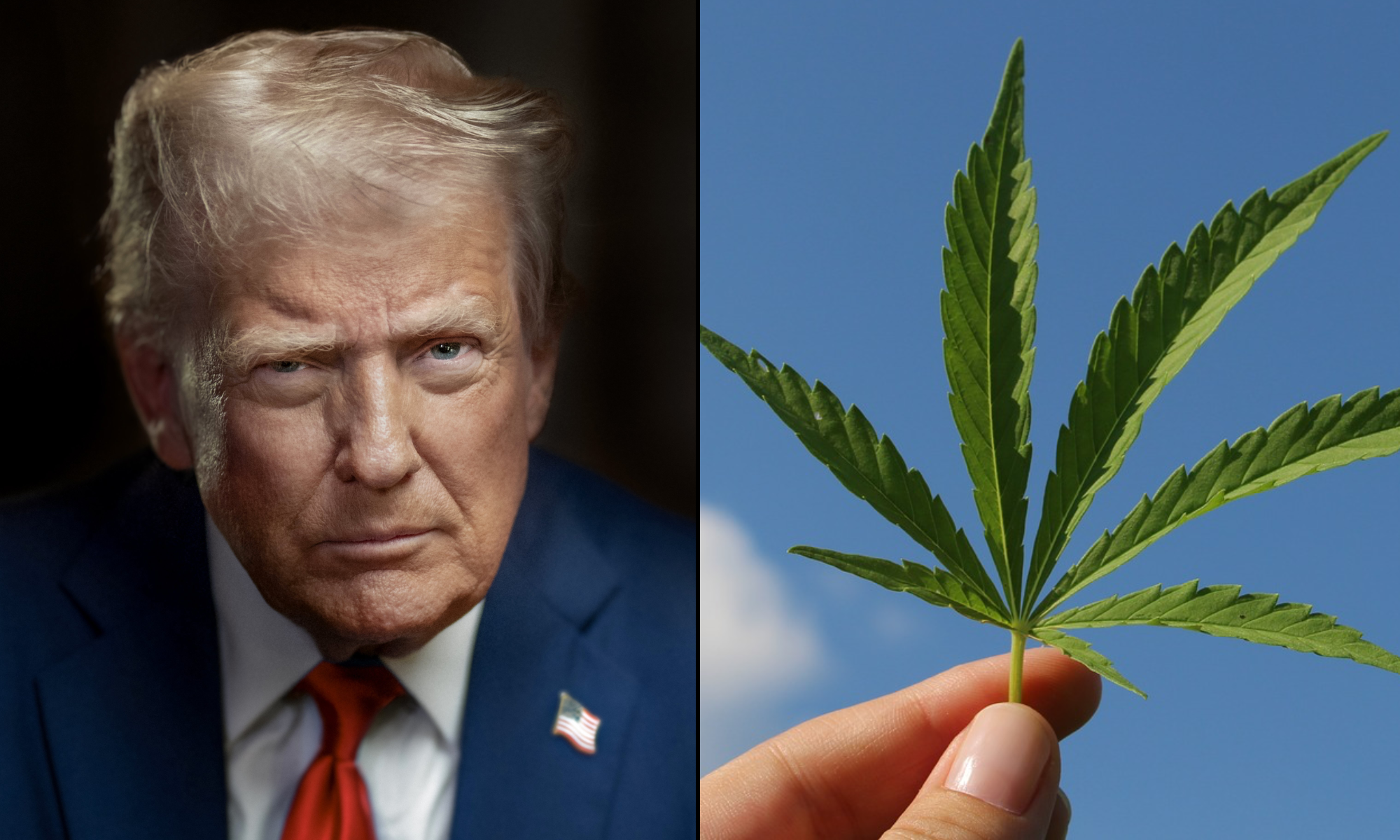
Trump marijuana rescheduling sounds simple enough—slide cannabis from Schedule I to Schedule III, call it a technocratic fix, and move on. But politics is never a clean kitchen, and this one smells like last night’s fry oil. A Republican senator from North Carolina, Ted Budd, says the president was “poorly advised,” and he told him so, face to face. The two men disagreed. That’s the headline and the hangover. Budd’s pushback taps straight into the country’s uneasy relationship with cannabis policy: a tug-of-war between reform that feels overdue and a fear that anything “pro-marijuana” won’t age well. Meanwhile, the administration’s line—rescheduling could help medical research—collides with Budd’s argument that you don’t need to fiddle with the Controlled Substances Act to run studies. In the Michigan-cold light of morning, the fight isn’t really about labeling jars; it’s about who gets to control the kitchen and whether the change-up reshapes the menu for science, work, and the broader economy.
Budd frames the move as a shortcut around the FDA’s slow, clinical escalator—skip the velvet rope, he says, and you risk chaos on the dance floor. He leans on a stark image: we still test Schedule I substances. He cites heroin and opioids to make the point that research already happens under tight rules, so any talk that cannabis must be downgraded to be studied is, in his words, a misnomer. On the other side of the grill, supporters of rescheduling argue it would clear bureaucratic choke points and bring more legitimacy to clinical work, not less. Even some in law enforcement have warmed to the idea for practical reasons; for a window into that world, see Here’s Why Many Cops Support Trump’s Marijuana Rescheduling Move (Op-Ed). Still, here’s the fine print lost in the smoke: shifting to Schedule III wouldn’t legalize cannabis federally. It would, however, signal a philosophical pivot, the kind that spooks some conservatives who view the move as a cultural green light with downstream effects on workplaces, schools, and Main Street.
This divide isn’t just an ego match in a gilded hallway. Republican senators have already tried to cork the bottle with legislation designed to block rescheduling unless Congress signs off; it never got a hearing. Letters flew in from Capitol Hill urging the president to stand down. House members piled on with their own warnings that rescheduling “will not make America great,” invoking the familiar specter of harm to kids and productivity. The president, for his part, waved off the blowback, pointing to broad public support and stories of patients—friends, even—who swear cannabis eases brutal symptoms. That clash mirrors the state-level scramble where rules and sensibilities shift with each ZIP code line. In Ohio, the wrangling over what to protect and what to restrict has exposed fractures inside the tent, with operators, advocates, and policymakers sometimes talking past each other; for a sharp snapshot of that fault line, read Ohio Cannabis Industry Divided Over Referendum To Block Marijuana And Hemp Restrictions. It’s a reminder: national headlines are composed of a thousand local skirmishes.
While the talking heads argue, the machinery hums—slowly. The Justice Department says there are no updates on the rescheduling process, despite marching orders to move “expeditiously.” If federal policy is a stew, this one’s still simmering with the lid on. At the same time, the president signed off on a spending package that once again keeps Washington, D.C. on ice, continuing the rider that blocks the District from legalizing recreational sales. Reformers call that hypocrisy; defenders call it prudence. Either way, it underscores the paradox: the capital of the free world can’t run a legal adult-use shop, even as the national conversation shifts. And hovering over all of this are the courts and statehouses, where access can be expanded on Tuesday and nerfed by Friday. In one striking example, an Arkansas ruling could open the door for lawmakers to roll back medical access—see Arkansas Supreme Court Ruling Could Let Lawmakers Roll Back Medical Marijuana Access—proof that a green light one year can become a yellow the next.
So what does this mean for the cannabis industry, patients, and the policy nerds who translate Capitol dialect into real life? Uncertainty—and not the fun, romantic kind. If rescheduling to Schedule III happens, it could reshape research pipelines and potentially alter how businesses shoulder compliance and tax burdens. If it stalls, the market stays split-screen: patchwork state reforms on one side, federal prohibition on the other. Either way, expect more friction at the street level where enforcement meets everyday life. Florida’s recent move to punish medical patients for open containers in cars—yes, patients—shows how a single clause in a statute can turn a routine drive into a costly mistake; the details are in Florida Lawmakers Approve Bill To Punish Medical Marijuana Patients For Having Open Containers Of Cannabis In Cars. This is the gritty part of cannabis policy: not glossy dispensary openings, but the collisions between evolving norms and old rules etched in stone. However you feel about rescheduling, the next few months will decide whether we’re rewriting the menu or just rearranging the garnish—and if you’re curious where compliant hemp-derived options fit into this changing map, pull up a chair and explore our shop at https://thcaorder.com/shop/.