Washington Lawmakers Take Up Bill To Legalize Marijuana Home Grow Amid Police Opposition
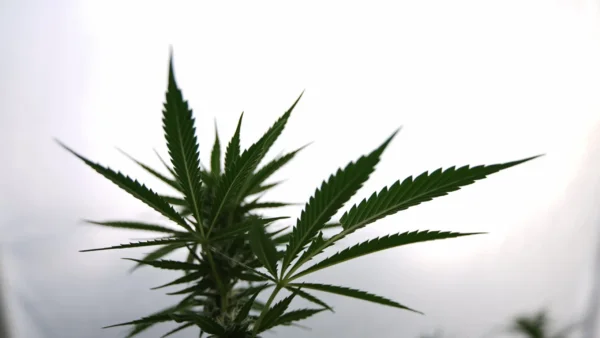
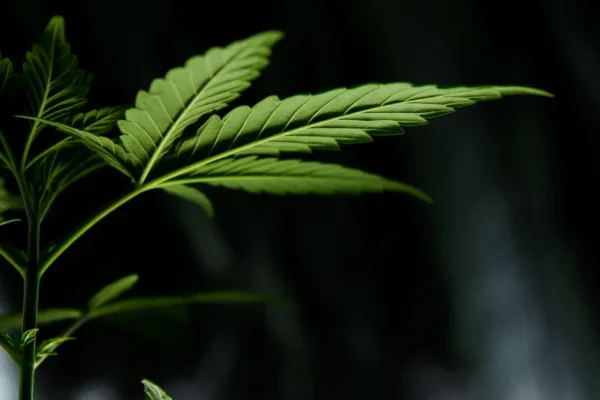
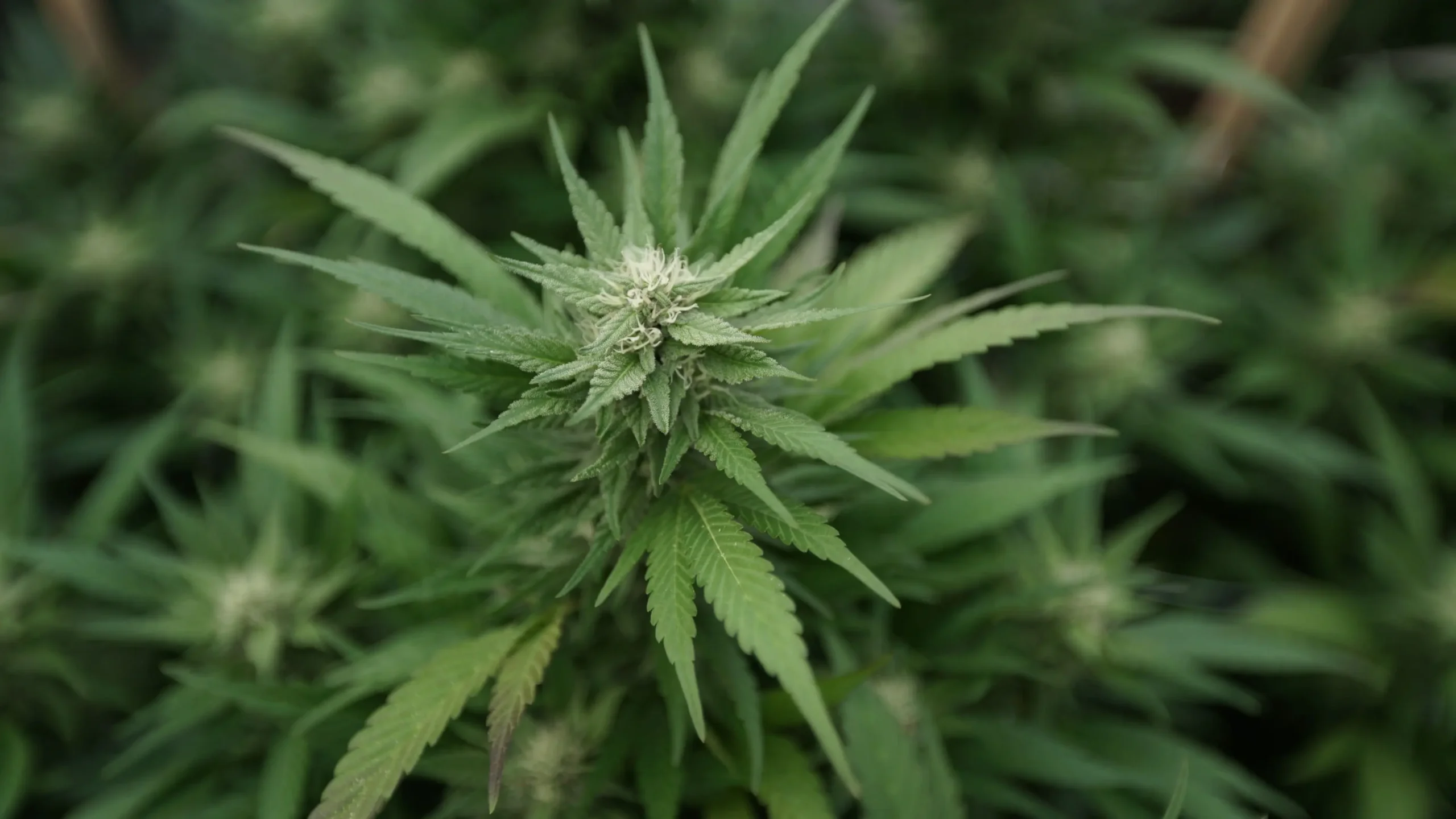
Washington marijuana home grow legalization is back on the menu, served with a side of déjà vu and the kind of late-night urgency that smells like coffee burnt on a diner warmer. After more than a decade of stalled attempts since voters approved I-502, lawmakers are again circling the question: should adults in the Washington cannabis market be able to grow a few plants at home? Senate Bill 6204 says yes—modestly, carefully—by letting adults 21 and over raise their own personal stash. Supporters argue it won’t crater legal cannabis revenue or undercut retail shelves; it simply aligns policy with lived reality and personal liberty. Opponents warn of kids, cops, and chaos. But in the hearing room, a veteran’s voice cut through the hum of politics: I can serve my country and pay taxes, he said, but I can’t tend six plants under a cheap LED in the spare room? The core dispute isn’t just about buds and ballast; it’s about whether Washington’s cannabis taxation regime and marijuana policy reform will trust residents with the same small freedoms many other legal states already do.
Here’s what SB 6204 lays out in plain English, trimmed and rolled neat: up to six plants for one adult, 12 for two, and a hard cap of 15 for three or more adults in a home. Keep it out of public view. Keep the odor under control. Flout those basics and you’re looking at a class three civil infraction—annoying, not ruinous. Law enforcement would still need probable cause and a warrant to seize plants, which is how it should be in a free society. The Liquor and Cannabis Board wouldn’t police your pantry; regulation stays light-touch. Homes fostering children and family daycare settings are off-limits for cultivation, which tracks with larger child-safety norms even as households with kids aren’t banned outright. The broader theme is sensible boundaries instead of heavy boots—part of the evolving rulebook that’s already forcing officers to adapt elsewhere, like the shift in vehicle search doctrine reflected in California Cops Have To Treat Marijuana In Cars Differently After New Supreme Court Ruling. Cannabis law keeps changing. Practice will, too.
Money haunts every policy barstool. Opponents insist home cultivation will siphon off millions from the 37 percent cannabis excise tax, starving programs and trimming industry margins. Advocates counter with a shrug and some truth: growing good cannabis is hard. It’s temperamental farming with fans, filters, and patience. Most people will still buy flower, pre-rolls, and vapes because convenience wins. As one industry voice put it, homegrowers are neighbors, not competitors—more likely to keep shopping for edibles and extracts than to turn into basement wholesalers. The tougher knot is equity. Washington’s own Social Equity in Cannabis Task Force reported that, between 2013 and 2019, Black residents were five times more likely to be arrested for home growing than white residents, and Hispanic residents 2.4 times more likely. The status quo isn’t neutral; it picks familiar winners and losers. And when opponents invoke children—always a potent chorus in American politics—remember that states regularly tailor narrow protections without criminalizing everyone. See the harsher penalties debate for car smoke scenarios, where lawmakers in another state drew bright lines in Alabama Lawmakers Pass Bill To Increase Penalties For Smoking Marijuana In A Car Where A Child Is Present. You can protect kids without banning tomatoes in the garden.
The opposition is organized and predictable. The Washington Association of Sheriffs and Police Chiefs says homegrow “normalizes” cannabis for youth and burdens departments with smell complaints and plant counts. The Association of Washington Cities sees enforcement headaches. Politically, the bill’s got wind and drag: Sen. Rebecca Saldaña is carrying it in the Senate; a House companion sponsored by Rep. Shelley Kloba hit the calendar and then slipped off. That’s legislating—hurry up, wait, repeat. Meanwhile, the national tide keeps its own tempo. Voters in other states are leaning into legalization frameworks that include home cultivation or at least expand access, a momentum reflected by the temperature in places like Majority Of Virginia Voters Back Legalizing Recreational Marijuana Sales As Lawmakers Advance Bills To Do It. And on a different axis, civil liberties groups are linking cannabis normalization to broader constitutional questions—from search standards to the right to bear arms—an unexpected coalition illustrated by NRA Joins Marijuana Groups Urging Supreme Court To Overturn Ban On Gun Ownership By Cannabis Consumers As Unconstitutional. You don’t have to like the bedfellows to admit the room has changed.
Washington’s stubborn uniqueness is starting to look less like caution and more like a quirk of political muscle memory. It’s one of only a few states with legal medical and recreational sales that still says no to a couple of plants in the back room, even as Colorado—the classmate from 2012—wrote homegrow into its DNA years ago. What’s at stake isn’t a black market revival or a collapse in legal cannabis revenue; it’s whether the Washington cannabis market matures into a system that trusts adults, narrows racial disparities, and acknowledges that “corporate weed” doesn’t have to be the only flavor on the menu. Maybe homegrow is the kitchen-table counterpoint to shiny dispensary shelves—a small, personal act that keeps culture tethered to people, not just to POS terminals. The bet here is simple: legalization means you can buy it; reform means you can live with it. If you care about where your cannabis comes from—seed, shelf, or somewhere in between—keep watching Olympia. And if you’re ready to explore compliant options right now, step into our curated selections here: https://thcaorder.com/shop/.