California Cops Have To Treat Marijuana In Cars Differently After New Supreme Court Ruling
California Supreme Court marijuana open container ruling: a mouthful, sure, but it lands like a shot of rye after midnight—sharp, clarifying, a little incendiary. In a unanimous opinion, the justices drew a hard line on cannabis in cars: a lit joint or a packed, ready-to-smoke piece is the legal cousin of a cracked beer can. But the confetti of herb—crumbs on the carpet, shake in the seams—doesn’t automatically turn your backseat into a crime scene. The court’s logic is blunt and practical. Cannabis has to be a usable quantity, in a condition you could consume with minimal effort, and within easy reach. That’s the standard. It’s not about the ghost of smoke or a nervous glance at a stoplight. It’s about immediacy, access, and intent—cannabis taxation and marijuana policy reform may dominate headlines, but on the side of the road, the Michigan cannabis market or legal cannabis revenue don’t matter; what matters is what’s ready to burn right now.
The case: from crumbs to contraband
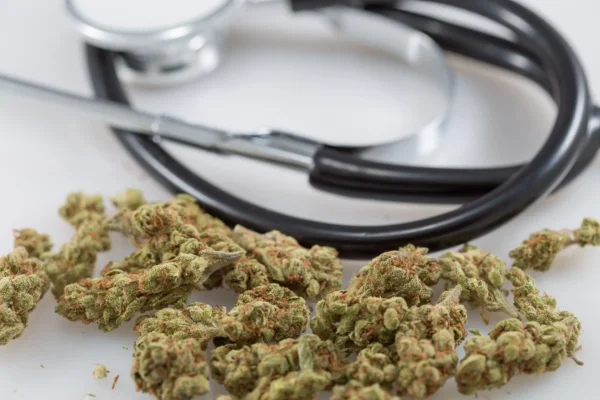
The facts were as plain as a glovebox stuffed with old registration slips. Sacramento cops pulled a car, then found 0.36 grams of loose marijuana scattered on the backseat floorboards. No weaving. No busted taillight hustle. No warrants. A rolling tray lay nearby, but no lighter, no papers, no vape, no pipe. The officers claimed nervousness and the tray were enough to rummage through the car. Lower courts nodded along. The high court didn’t. It reversed, holding that loose cannabis crumbs are more like spilled beer than a cold one in your hand, and that the officers lacked probable cause. Crucially, the justices emphasized how courts should think about “readily accessible” and “imminently usable”: could a passenger consume the cannabis with minimal effort? Without tools, flame, or a ready device, those floorboard flecks weren’t contraband ready for prime time. It’s a pivot from the old reflexive search and a reminder that probable cause isn’t a vibe—it’s a threshold.
The new standard, in plain English
- Usable quantity: not dust or debris, but enough cannabis to consume in a meaningful way.
- Imminently usable condition: rolled, packed, loaded, or otherwise ready to smoke without significant prep.
- Readily accessible: close enough for an occupant to grab and consume, not sealed in a trunk or buried in a bag.
That three-part test won’t stop every roadside fishing expedition, but it gives judges a clean checklist and drivers a survival manual. The court even hinted at the practical markers: the presence or absence of basic paraphernalia matters; the difference between a finished joint and a bag of shake matters; the location of the cannabis in the vehicle matters. This is the kind of doctrinal housecleaning that brings cannabis law into the same universe as alcohol’s open container rules—focused on real risk, not residue. For anyone who likes their legal citations neat, the official opinion is a tidy read: empirical in spirit, wary of overreach, and tuned to the reality that legalization changes what “suspicious” looks like. The broader message is simple: smell alone and a tremor in your voice don’t cut it, and crumbs aren’t contraband. Probable cause still means probable cause.
Why this matters beyond one traffic stop
This ruling resets street-level expectations in a state where cannabis is legal but still policed at the seams. It narrows the gap between lawful possession and unlawful consumption, and it trims the pretextual searches that thrive on ambiguity. The stakes aren’t small. Traffic stops are where the law feels most intimate and abrasive—where a policy choice becomes a pulse spike. We’re seeing parallel fights at the edge of cannabis rights and other liberties: gun ownership, medical access, election-year politics. When strange bedfellows link arms, it’s usually because the rules at the margins are inconsistent, and people are tired of living there. That’s why you see alignments like NRA Joins Marijuana Groups Urging Supreme Court To Overturn Ban On Gun Ownership By Cannabis Consumers As Unconstitutional. And on the medical front, even deep-red legislatures are acknowledging dignity at the end of life, as in Mississippi Lawmakers Approve Bill To Allow Medical Marijuana Use In Hospitals For Terminally Ill Patients. Each of these flashpoints forces a harder question: what does “legal cannabis” actually mean when it collides with other entrenched systems?
The road ahead: consistency, clarity, and common sense
Policy is moving—sometimes with a chef’s knife, sometimes with a butter knife. Voters don’t want the theater anymore; they want rules that make sense in the real world, where people work, drive, and try to get home without turning a traffic stop into a civics lesson. That energy shows up in bread-and-butter votes like Majority Of Virginia Voters Back Legalizing Recreational Marijuana Sales As Lawmakers Advance Bills To Do It, and in the kind of transactional political gambits you’d expect in an election cycle, like Giving Trump A Marijuana Business License Would Help Convince Him To Back Legalization, Democratic Senator Says. Meanwhile, practical advice for the California driver: keep cannabis sealed, stash it out of reach, and don’t give the roadside theater any more props than necessary. The law now asks whether your weed is ready to go; make the answer boring. And if you’re curious where the culture and compliance meet on the shelf, explore our latest selections here: https://thcaorder.com/shop/.