



Giving Trump A Marijuana Business License Would Help Convince Him To Back Legalization, Democratic Senator Says
Federal marijuana legalization isn’t a fever dream—it’s a fork in the road
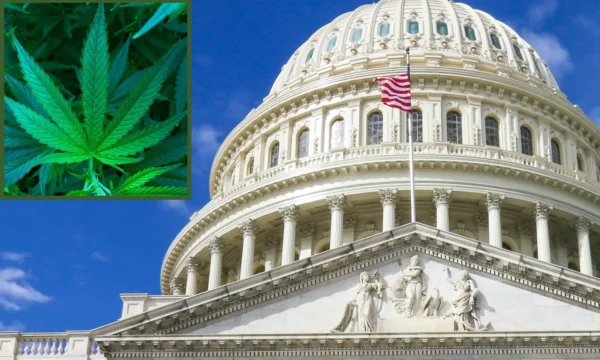
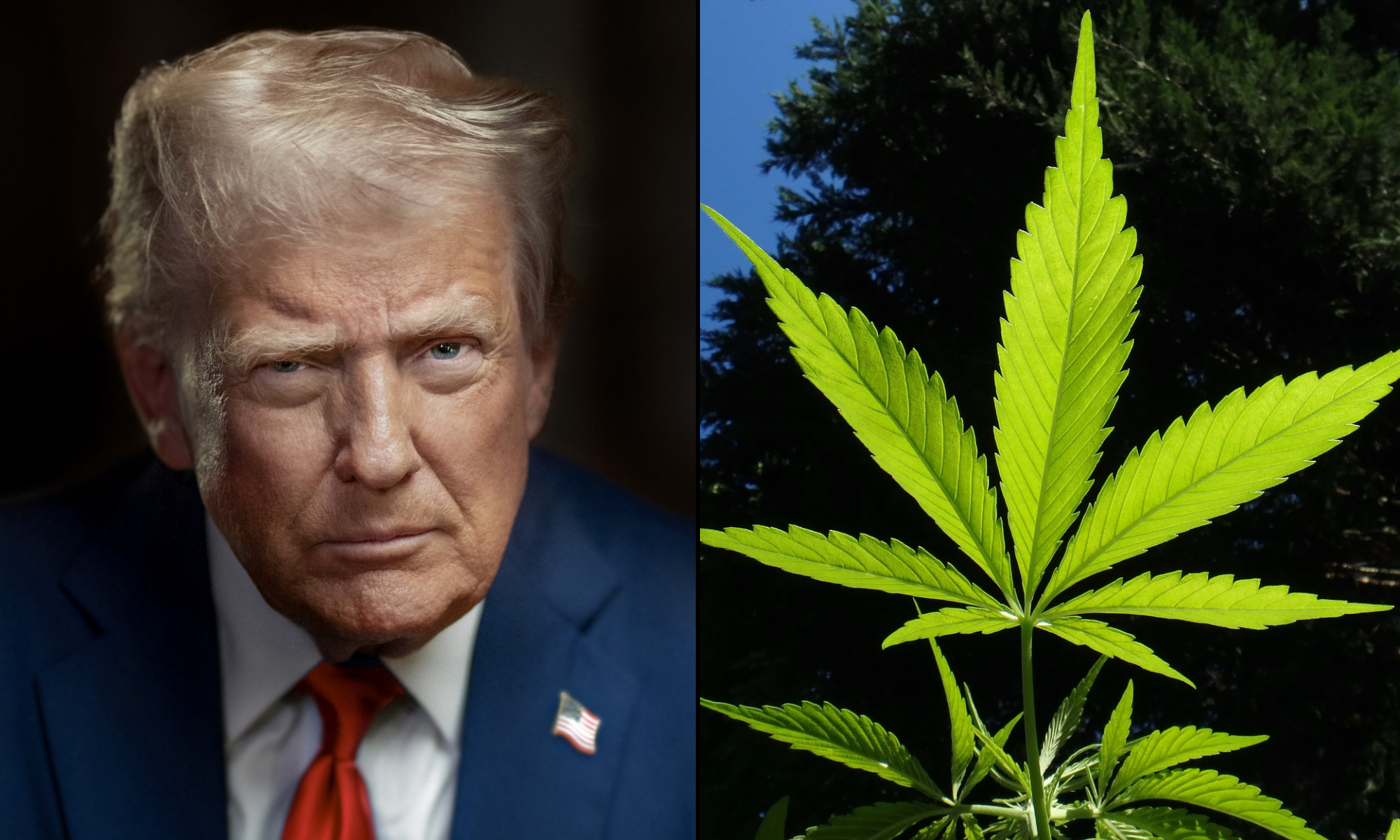
Federal marijuana legalization sits like a neon sign flickering over a late-night diner: familiar, inevitable, and somehow still out of reach. Onstage at a business-forward cannabis forum, Sen. Kirsten Gillibrand said the quiet part out loud, with a grin that cut like a razor. If you want to move a man who sees the world in balance sheets and gold letters, show him the ledger. “Offer him a cannabis license,” she quipped about the former president, “and he’ll be for this industry.” It wasn’t just a joke—it was a surgical read of American power, where marijuana policy reform bangs against the brass doors of ambition and stigma. The senator’s pitch was blunt: deschedule cannabis for real, not just reshuffle it to Schedule III and call it progress. Because under the Controlled Substances Act, a rescheduling nibble won’t fix the bones. It’ll help with taxes and research, sure, but it won’t end the federal prohibition that keeps the legal cannabis market living like a brilliant chef stuck in a food truck, barred from the dining room.
Gillibrand’s math is as grimy as politics gets: no Republican champion, no path. She wants a GOP partner to carry cannabis descheduling across the marble floors, and she’s been knocking on doors in states where voters already made peace with reality. The answers so far? Shrugs, silence, the old “gateway drug” catechism delivered with a straight face. She blasted Washington’s two-decade allergy to leadership on this, bipartisan in its torpor. Yes, one administration initiated a move from Schedule I to Schedule III. Yes, the next issued an executive order to prod the process along. But the bureaucracy grinds, the Justice Department stays mum, and the people who run actual businesses are left to read tea leaves. She’s not waiting on vibes. She wants full descheduling and, failing that, a real financial services fix so legal operators can access banking, stock exchanges, and capital like every other mainstream industry. Money talks—but capital sings.
Here’s the brass tacks. Moving marijuana to Schedule III would finally disarm 280E, letting state-legal businesses deduct ordinary expenses. Research would loosen up. Symbolically, it would admit what patients and doctors already know. But it won’t stop federal agents from pretending the plant is contraband, and it won’t unjam interstate commerce. Descheduling is the clean cut. It would let Congress set guardrails for a national market and give regulators a single playbook instead of the patchwork of exceptions and contradictions we live with now. If you want proof that the country is already there, look beyond the Beltway. Hospital boards in conservative states are weighing compassionate access because the alternative is cruel—see the momentum behind measures like Mississippi Lawmakers Approve Bill To Allow Medical Marijuana Use In Hospitals For Terminally Ill Patients. Reform isn’t just cannabis, either. North of Boston, lawmakers are experimenting with the next chapter in medicine and harm reduction, as captured in New Hampshire Lawmakers Approve Bipartisan Bill To Legalize Psilocybin For Medical Use, While Rejecting Separate Psychedelics Measure. And for consumers easing off alcohol, the rise of low-dose seltzers and social tonics isn’t a fad—it’s a safety valve, backed by evidence in Cannabis-Infused Drinks Offer Consumers A ‘Harm Reduction’ Alternative To Alcohol, Study Shows. Markets evolve. Governments catch up. Eventually.
Meanwhile, the capital circus. One high-profile ally of the former president posted that the DEA is “actively drafting” a rescheduling rule and wants it out “ASAP.” Maybe. Maybe not. There’s already a rule pending elsewhere in the alphabet soup, and no one in the know seems eager to clarify timelines. Two senators tried to block rescheduling outright with a floor amendment that never saw daylight. Agency lawyers can slow-walk anything by restarting a scientific review, and the attorney general missed a deadline to issue research guidelines on Schedule I substances like cannabis and psychedelics. That’s not a conspiracy; that’s Washington as usual—conflict-averse and perfectly willing to punt. In the meantime, contradictions stack like dirty plates. In one courtroom, a patient’s right to relief. In another, a dispute over whether a medical cannabis card should strip someone of their rights under the Second Amendment—an issue now center-stage in cases spotlighted by Second Amendment Groups Urge Supreme Court To Strike Down Gun Ban For Marijuana Consumers As Unconstitutional. The legal cannabis industry is real, taxed, and regulated—and yet still treated like a rumor when it suits.
Gillibrand’s bet is simple: apply pressure, find a Republican standard-bearer, and change the weather. Build a drumbeat. Force the debate into Senate races, onto debate stages, out of the whisper network. Because this isn’t just about dispensaries and stock tickers. It’s about the economy—jobs, small-business vitality, and access to capital. It’s about health—safe supply, research, and regulated products. It’s about public safety—bringing commerce out of the shadows. It’s about social equity—undoing a century of selective enforcement. Federal marijuana legalization won’t solve everything, but full descheduling would finally give the country a single, honest rulebook. Until then, we trade in euphemisms and executive memos while entrepreneurs and patients pay the price. If you care about where this goes next, call your senator, keep the pressure on, and stay informed—and when you’re ready to explore compliant, high-quality options, step into our world and visit our shop: https://thcaorder.com/shop/.