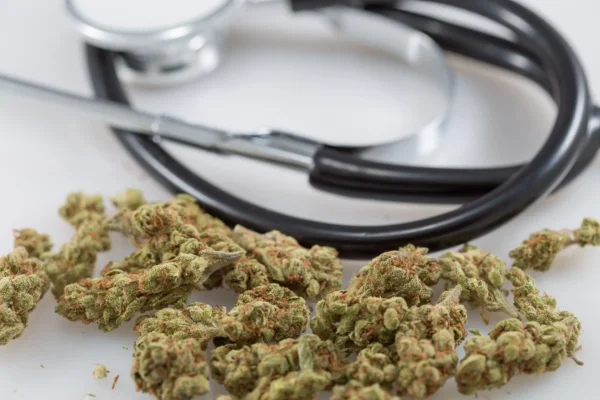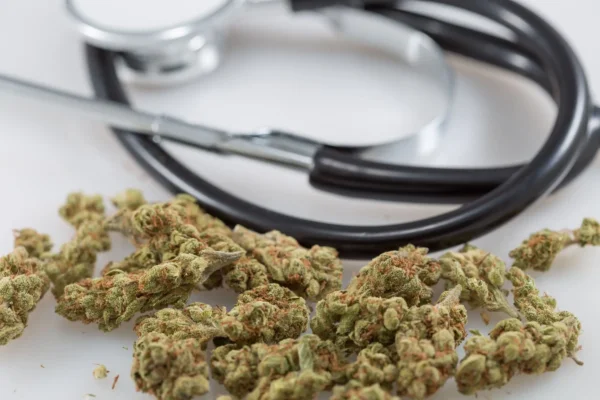





Mississippi Lawmakers Approve Bill To Allow Medical Marijuana Use In Hospitals For Terminally Ill Patients
Mississippi medical marijuana use in hospitals: lawmakers move “Ryan’s Law” for terminally ill patients
Hospitals are places where rules get written in fluorescent ink—cold, exacting, and often indifferent to pain. Mississippi just took a match to one of those rules. With “Ryan’s Law,” a House panel advanced a bill that would allow Mississippi medical marijuana use in hospitals by terminally ill patients, extending the state’s cannabis program into the places where time runs short and comfort matters most. It’s narrow and clinical—no smoking, no vaping—yet unmistakably human. The reform would reach across hospital wards, skilled nursing facilities, and hospice centers. It’s a hard pivot toward compassionate care, a rare moment where policy remembers the patient at 3 a.m. who can finally breathe easier. In a state that legalized medical cannabis in 2022 but still bans adult-use, this is a scalpel, not a sledgehammer—precise, measured, but cutting through old habits all the same.
What “Ryan’s Law” would change inside the room
The bill threads a needle between access and liability. Patients—or their caregivers, not hospital staff—would bring, store, administer, and remove the medicine. No nurse will be palming a tincture from a locked drawer. No doctor will sign out a gummy like it’s morphine. The cannabis must sit behind a lock, in the patient’s room or a designated spot, available yet discreet, a quiet ally against nausea, pain, and fear. After discharge, whatever remains walks out with the patient or the caregiver, the room left as it was, save for the lingering relief. The summary puts it plainly:
Patients and designated caregivers are responsible for acquiring, retrieving, administering, and removing medical cannabis. Products must be securely stored at all times.
It’s a simple idea—don’t make the hospital the dealer, just don’t block the door. The approach lowers friction without inviting chaos, a nod to health care realities as much as to patient dignity. For those who want to track the text and its guardrails, the state’s bill record for HB 1034 lays out the architecture in careful strokes, down to the locked container and non-smoking requirements (Mississippi bill history).
The federal shadow over hospital cannabis policy
Of course, hospitals live in the long shadow of federal rules. The bill anticipates that fear. If the Department of Justice or the Centers for Medicare and Medicaid Services decides to crack down—or issues guidance that makes administrators sweat—facilities can hit pause until the dust settles. That carve-out sounds bureaucratic, but it’s the kind of pragmatic escape hatch that keeps legal counsel from slamming the brakes altogether. It also reflects the unsettled state of national cannabis policy, where rescheduling rumors and political pronouncements float like weather fronts. One headline says progress; the next says “not yet.” Consider the ongoing federal ambiguity captured in DOJ Has No ‘Comment Or Updates’ on Marijuana Rescheduling—More Than A Month After Trump’s Executive Order. Meanwhile, adjacent legal fights press on, reminding us that cannabis still straddles the line between medicine and contraband. Civil liberties groups, for instance, have pushed the courts to reconcile gun ownership rights with marijuana use, as detailed in Second Amendment Groups Urge Supreme Court To Strike Down Gun Ban For Marijuana Consumers As Unconstitutional. Hospitals don’t have the luxury of punditry; they have to keep the lights on. So Mississippi’s proposal acknowledges reality: let patients access medicine, but don’t ask facilities to gamble their funding while Washington figure-skates across thin ice.
Where states are headed next
This is not a Mississippi-only story. California and Minnesota already opened their hospital doors to medical cannabis for terminal patients. Washington State’s House panel has waved a similar bill forward. Delaware’s senators took testimony. South Dakota said no for now, a reminder that progress is never a straight line—more like a country road with potholes, detours, and the occasional dead end. But the direction of travel is clear: compassionate access at the bedside is becoming normal. It’s part of a broader shift in drug policy that treats suffering as something to answer, not manage with platitudes. You can feel that momentum in other corners too, like the cautious, bipartisan curiosity around psychedelics, including moves chronicled in New Hampshire Lawmakers Approve Bipartisan Bill To Legalize Psilocybin For Medical Use, While Rejecting Separate Psychedelics Measure. And it’s visible in harm-reduction conversations that extend beyond a hospital ward, seen in research suggesting some consumers reach for cannabis drinks instead of booze—safer choices in a culture hooked on the hard stuff, as explored in Cannabis-Infused Drinks Offer Consumers A ‘Harm Reduction’ Alternative To Alcohol, Study Shows. Different lanes, same highway: reduce harm, respect patients, update the rules.
Mississippi’s moment of clarity
Zoom back to Jackson. “Ryan’s Law” doesn’t solve every contradiction in the Mississippi cannabis market, and it’s not meant to. Adult-use remains illegal. Tribal voters in the state have debated their own path. But this bill is about the space between a patient and their pain. It’s for the daughter keeping vigil by a bedside, the son who finally finds something that calms his father’s tremor, the spouse who counts breaths in the dim light and realizes the knot in their stomach has loosened just enough to talk about breakfast. Policy can feel like a game of inches until you’re the one who needs those inches. Hospitals know suffering. They also know procedures. Mississippi’s proposal respects both: it opens a door, then posts a guard. That’s how careful reforms survive. If lawmakers keep their nerve and pass it, the message is simple and overdue—compassion fits in a locked box, and it belongs at the bedside. And if you’re ready to explore legal, compliant options for your own wellness journey, take a quiet look through our shop.