Cannabis-Infused Drinks Offer Consumers A ‘Harm Reduction’ Alternative To Alcohol, Study Shows
THC drinks, last call, and a different kind of morning-after
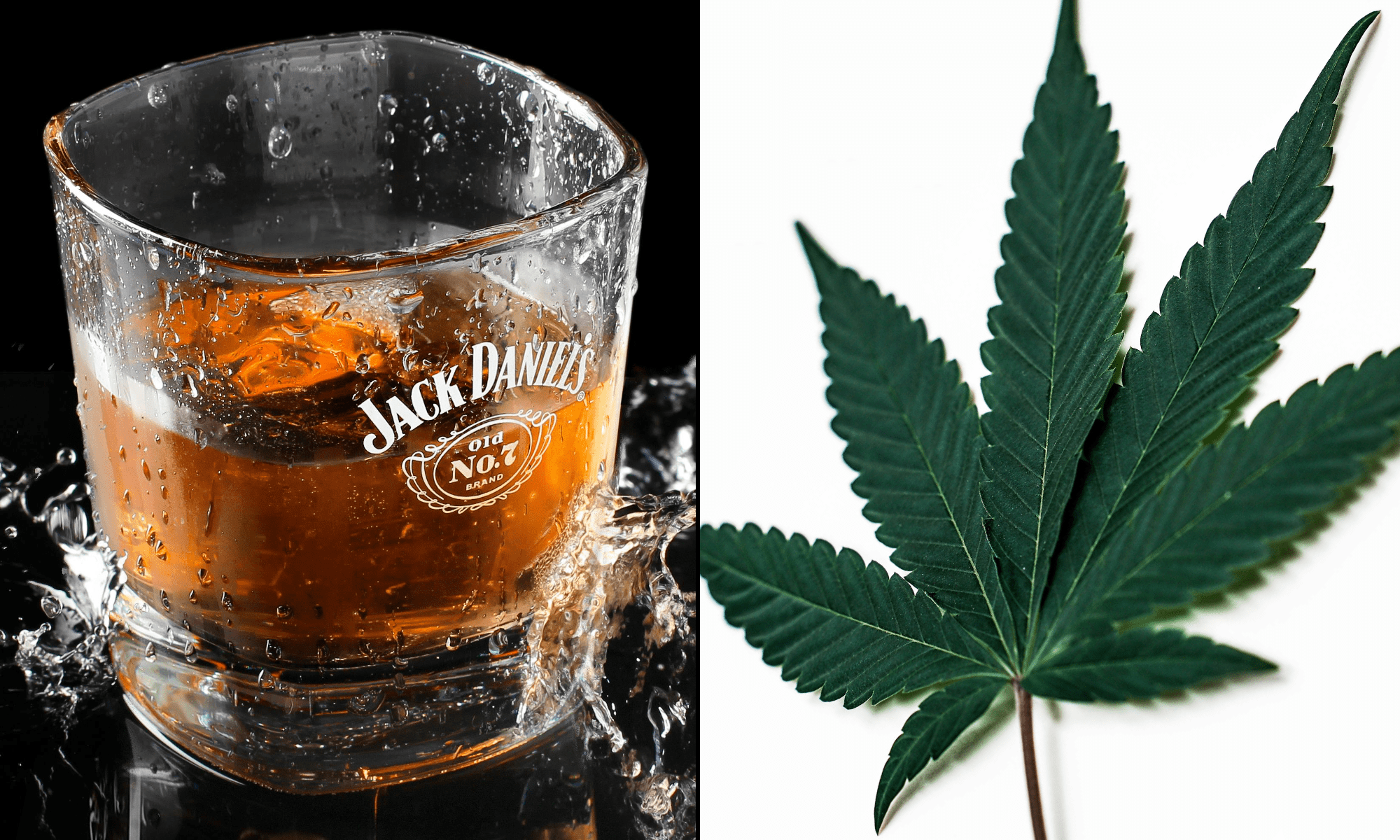
Cannabis-infused beverages as a harm reduction alternative to alcohol are finally getting their receipts. Picture the end of a long night: sticky bar top, neon buzzing like a hornet nest, the choice between another vodka rocks or a chilled can stamped with 5–10 mg THC. A new survey study out of the State University of New York at Buffalo, published in the Journal of Psychoactive Drugs, says more people are reaching for the can—and waking up a little less wrecked. Researchers surveyed 438 adults who’d used cannabis in the past year and found roughly a third had tried THC drinks. Those beverage consumers were significantly more likely to intentionally substitute cannabis for alcohol than people who stuck to other cannabis forms—about 59 percent versus 47 percent. More than 80 percent of the THC drink crowd fell into a lower-risk category for binge drinking, and they reported fewer alcoholic drinks per week after they started sipping these beverages. Harm reduction isn’t a theory in this data; it looks like a shopping list: fewer binges, fewer drinks, fewer disasters. The team’s message is plain: alcohol substitution with cannabis beverages could trim alcohol-related harm. You can read the study here (Journal of Psychoactive Drugs) and the university’s plain-English summary here (press release), but the tweet-length takeaway is simple—swap the pint for a THC can, and the odds of a smoother tomorrow go up.
Why drinks, and why now
There’s a pragmatic elegance to THC beverages that flower and vape don’t quite match for alcohol substitution. They fit the ritual: can in hand, clink on the patio, a slow sip that marks time across a game, a show, a birthday you’ll actually remember. Dosing is obvious on the label; the stigma is lower when you’re not lighting anything on fire; and for many, the social script stays intact without the ethanol tax on your sleep and your liver. The “California sober” trend—people quitting or cutting back on alcohol while still using cannabis—didn’t materialize out of thin air. Federally funded research has found that cannabis use, in some contexts, correlates with significantly less alcohol consumption. The new Buffalo results give THC drinks their own spotlight within that narrative: a product that mimics the form and function of booze without the same blowback. It’s harm reduction with the same glassware. Still, the lead researcher is clear-eyed: we need more research, more longitudinal data, more nuance on dose, onset, and the messy edges of human behavior. In other words, this isn’t a victory lap; it’s the first mile marker that actually has a number on it (Journal article).
Policy catches up, stumbles, catches up again
While consumers are swapping highballs for hemp-derived seltzers, policy is sprinting, tripping, and getting up for another round. Arenas and venues are testing THC drink partnerships, and regulators are learning in public. Some statehouses lean into harm reduction logic; others reach for the handbrake. See the debates down South: South Carolina Lawmakers Advance Hemp Restriction Bills, Including One To Allow THC Drinks—evidence that even in cautious jurisdictions, lawmakers recognize that tightly regulated beverages may offer a safer on-ramp than the bottle. Local rules matter, too. Zoning can strangle or shepherd a responsible market, which is why moves like the Delaware Senate Votes To Override Governor’s Veto Of Marijuana Bill That Would Limit Restrictive Local Business Zoning Rules signal a shift toward pragmatic access and oversight. Layer on research showing cannabis regulators tend to be more attentive to public health guardrails than alcohol authorities, and you can see a path forward: clear labeling, potency caps, age controls, and better training—without the puritanical hangover that treats adults like children.
Washington’s riddle: rescheduling limbo and upside-down priorities
Zoom out to the federal map and you get whiplash. The same government that licenses liquor in stadium cups can’t decide how to classify a THC drink designed to curb binge nights. The limbo feeds confusion for businesses and consumers alike. Even as allies talk reform, the gears grind. If you want a snapshot of the stalemate, look no further than DOJ Has No ‘Comment Or Updates’ on Marijuana Rescheduling—More Than A Month After Trump’s Executive Order. Meanwhile, the contradictions pile up at the intersection of rights and vices. Alcohol—linked to hundreds of diseases and injuries—rarely blocks you from exercising core civil liberties. Cannabis, with a growing harm reduction resume, still can. Hence the push from Second Amendment Groups Urge Supreme Court To Strike Down Gun Ban For Marijuana Consumers As Unconstitutional. Agree or don’t, but recognize the logic: if public health is the hill we’re defending, the rules should reflect relative risk, not leftover stigma. Until D.C. squares that circle, the market will keep outpacing the map.
How to drink smarter: a field guide for the curious
Harm reduction isn’t harmless. It’s adult. If you’re exploring THC drinks as a way to cut alcohol, read the label like you’d read a tide chart. Start low—5 mg if you’re new, 10 mg if you know your lane—and wait a full beat before another. Most beverages use nanoemulsions for quicker onset, but “quicker” is not “instant.” Don’t mix with booze if your goal is less alcohol harm. Keep edibles and liquids out of reach of kids. Don’t drive—ever—until you’re sober. Expect variation across brands and bodies; figure out what works for your physiology and your Friday. The early evidence says these beverages can help people drink less and binge less. That’s not a cure; it’s a tool. A better night’s sleep, fewer apologies, a calendar that doesn’t orbit your hangovers—those are worthy goals. And if you’re ready to taste the space where flavor, ritual, and responsibility intersect, you can explore our curated selection here: https://thcaorder.com/shop/.