


DOJ Has No ‘Comment Or Updates’ on Marijuana Rescheduling—More Than A Month After Trump’s Executive Order
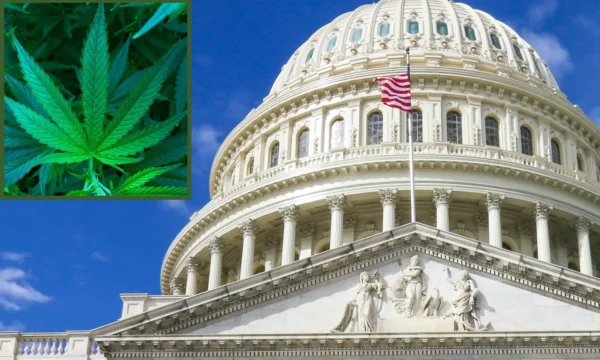
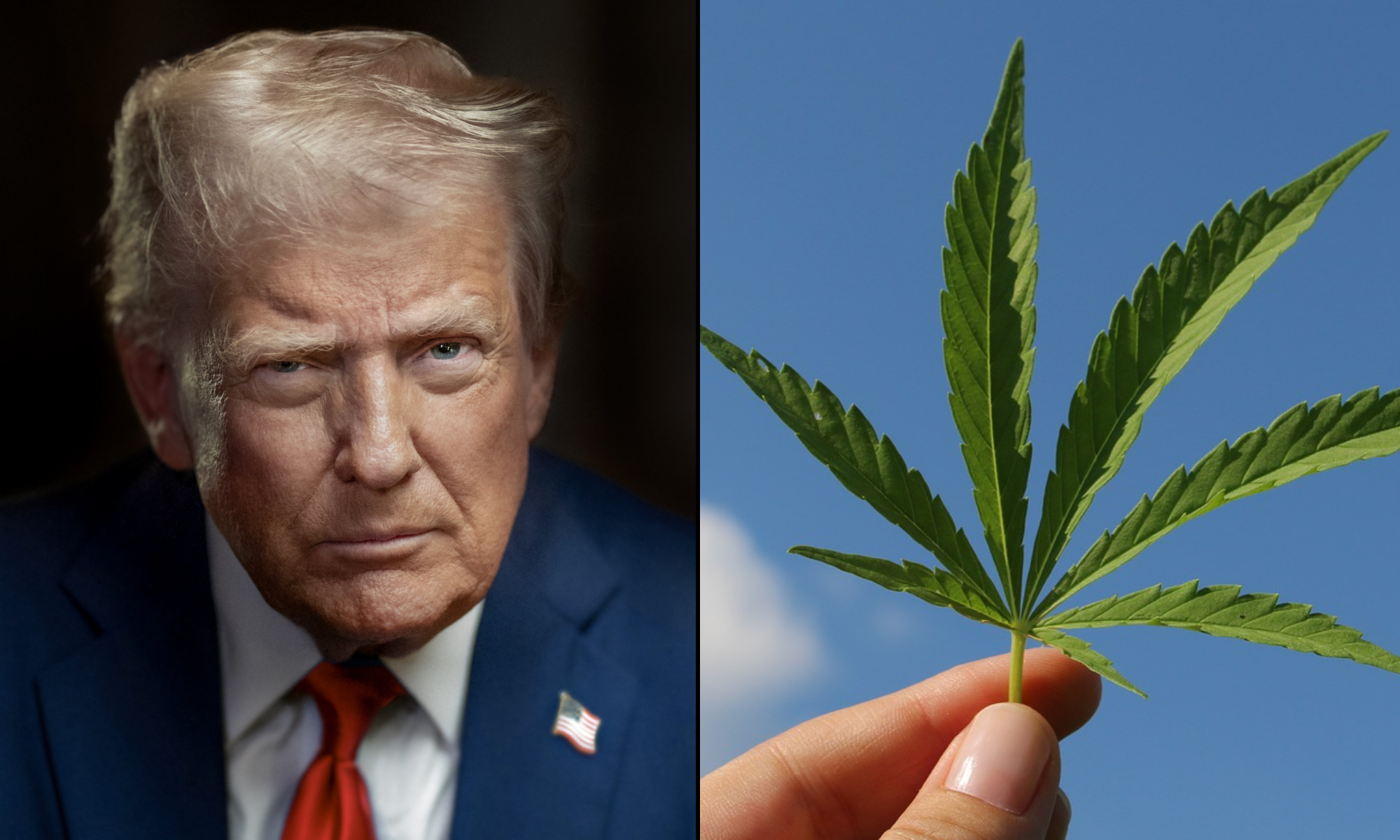
Marijuana rescheduling delay: Washington promised a sprint and delivered a shuffle. More than a month after a presidential order told the attorney general to move cannabis from Schedule I to Schedule III “in the most expeditious manner,” the Department of Justice has nothing new to say—no timeline, no breadcrumbs, just the sound of a big building clearing its throat. Expectations swelled with talk of swift relief under the Controlled Substances Act, but the federal machine is still idling. If you’ve spent time in a kitchen, you know this rhythm—tickets piling up, one cook swears the steaks are coming, and the dining room keeps staring at an empty pass. That’s where federal cannabis policy sits right now: lights hot, plates cold, everyone waiting for a dish that should have left the line 40 days ago.
Inside the bureaucratic slow-cook
The truth is uglier than the press releases. This administrative process was never built for speed, and transparency isn’t on the menu. Even after a high-profile order, rescheduling has to crawl through interagency review, internal legal scrub, and the creaky mechanics of federal rulemaking. Any final rule, when it finally arrives, can be dragged into court. Opponents have already lawyered up and are itching to contest the move, signaling lawsuits that could tack months—or years—onto the clock. Meanwhile, power concentrates where it always does. Policy inertia favors the largest operators with the longest balance sheets, the ones who can hold their breath underwater while everyone else gulps air. If you want a sober autopsy of how we got here, consider the argument laid bare in The Promise Of ‘Craft Cannabis’ Has Not Been Realized—Due To Policy Decisions Favoring Big Companies (Op-Ed): rules and delays rarely punish the giants. They punish the scrappy, the local, the ones who don’t have a D.C. lobbyist on speed dial.
Mixed signals and the dance of agencies
Even the gossip feels jammed. One day, a high-profile political figure blasts on social media that DEA is drafting a rescheduling rule “ASAP.” The next day, you remember a rule is already parked at DOJ, which means a fresh draft could actually reset the clock with more review and public comment. Then come the footnotes: the White House celebrates the promise of reform, but declines to say when the rule will appear; DEA confirms the appeal process over cannabis’s status remains pending; and congressional voices float amendments to block rescheduling entirely. A veteran senator, normally bullish on reform, publicly hedges—hopeful for justice, worried about where DOJ will land. Add one more data point: the attorney general missed a separate, congressionally mandated deadline to ease research barriers on Schedule I substances, the bucket where cannabis still sits today. That’s not the posture of an agency sprinting to the finish. It’s the posture of a cautious institution gaming out every legal angle while the market and the public grind their teeth.
While D.C. stalls, the states plate their own dishes
America’s laboratories of democracy are still very much open late. Statehouses are rewriting hemp, THC, and local control rules in real time—patchwork quilt, yes, but moving. South Carolina is a perfect snapshot of the moment: lawmakers advancing crackdowns on certain hemp products even as they open a door for infused beverages, the contradiction stitched into one package. For a taste of how that plays out, see South Carolina Lawmakers Advance Hemp Restriction Bills, Including One To Allow THC Drinks. In Delaware, legislators pushed back against local choke points, voting to override a governor’s veto so cities can’t use zoning like a velvet rope to keep cannabis entrepreneurs out. That small-but-mighty fight over red tape and retail footprints is the unglamorous backbone of market access—read the details in Delaware Senate Votes To Override Governor’s Veto Of Marijuana Bill That Would Limit Restrictive Local Business Zoning Rules. While the feds debate schedules and footnotes, people on the ground are tinkering with the rules that decide who gets to open a door, pour a drink, or hang an “Open” sign.
What Schedule III changes—and what it won’t
Rescheduling to Schedule III would be real, not cosmetic. It would likely lift the dead hand of 280E tax penalties, letting legal cannabis companies deduct ordinary business expenses like normal businesses—shifting cash flow, unlocking hiring, and rewarding compliance. It could grease the skids for research, allowing universities and hospitals to study cannabis without the Kafka routine of Schedule I. But let’s not romanticize it. Cannabis would still be in the Controlled Substances Act. Banking would get better but not perfect. Interstate commerce would remain a dream until Congress actually legislates. And the administrative fight won’t end on publication day; it will move to the courts, where the timeline stretches and the meter keeps running. In the meantime, incremental state fixes matter—like reducing barriers for patients. Florida’s latest move to lower costs for those who served is one small example worthy of a nod: Florida Lawmakers Approve Bill To Slash Medical Marijuana Card Fee For Military Veterans. So we wait, again, for Washington to plate the main course. If you prefer not to wait to elevate your own ritual, you know where to find us—step into our shop here: https://thcaorder.com/shop/.