




The Promise Of ‘Craft Cannabis’ Has Not Been Realized—Due To Policy Decisions Favoring Big Companies (Op-Ed)
Craft cannabis, cooked too fast: why policy put small growers on the menu
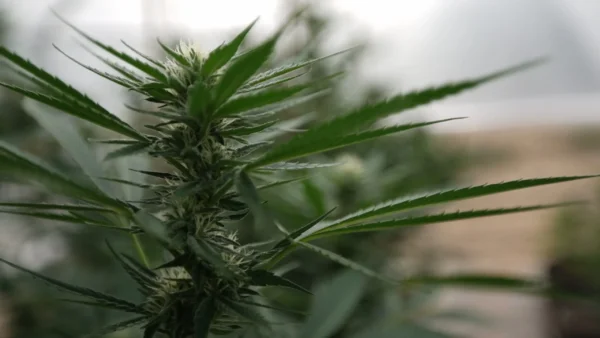
Craft cannabis was supposed to be the neighborhood joint’s secret menu. Intimate, inventive, stubbornly local. Instead, in much of the American cannabis industry, it’s a garnish on a plate built for giants. The primary lesson of craft cannabis today is this: policy design matters more than platitudes. Markets weren’t born to eat small producers; we trained them to. From day one, many states tossed new operators into full compliance costs, razor-thin margins, and wholesale price wars—then acted surprised when the little guys disappeared. It’s not romance that keeps a small farm alive. It’s time, cash flow, and a fighting chance to meet customers before the spreadsheet gladiators swing the sword. That is the central tension in the cannabis industry’s march to legitimacy—how the rules, more than the rhetoric, decide who gets to stick around.
“The central question is no longer whether cannabis will become a major American industry, but what kind of industry it will become.”
What went wrong: the crash diet of wholesale competition
In other regulated worlds, we’ve seen a kinder runway. Look at craft beer. Taprooms, on-site retail, and limited self-distribution let small breweries sell directly, pocket the margin, and learn in public. They built brands pint by pint before squaring off with wholesale distribution and supermarket shelf wars. Cannabis got almost the opposite. Federal illegality blocks interstate relief valves. Compliance costs land like a piano. Inventory perishes. The illicit market never left the building. Then wholesale prices slide faster than operating costs, testing who has the capital to bleed and still smile. Policymakers called this “market discipline.” For small cultivators, it felt more like being asked to sprint a marathon in ankle weights. The result isn’t accidental. It’s structural. When you introduce full-scale price competition before basic operating stability, you reward volume and capital by design—and you penalize patient experimentation, local flavor, and the messy process of getting good.
Microbusiness mirage, and a better way to stage the fight
States often hold up microbusiness licenses as a love letter to the little guy. In reality, many compel vertical integration and force tiny teams to meet standards built for behemoths—front-loading risk, cost, and complexity. That’s not a runway; that’s a cliff. The craft segment isn’t a vibe; it’s an economic architecture. It thrives where early survival is built into the rules: direct-to-consumer channels, scaled compliance, and time to find a customer before you’re priced into oblivion. As federal reform inches closer—banking access, rescheduling, maybe even interstate commerce—the gravity only gets stronger. Those changes lower capital costs for the biggest, fastest movers unless states intervene early. As policy advocate Damian Fagon has argued in work with the Parabola Center for Law & Policy, sequencing competition is the whole ballgame. Want a craft lane that actually works? Try these levers:
- Direct-to-consumer sales (on-site or limited delivery) to establish cash flow and brand identity before wholesale exposure.
- Tiered, size-based compliance and reporting to match risk with capacity.
- Time-limited protections from predatory pricing or mandatory wholesale discounts.
- Thoughtful self-distribution caps that let small firms learn logistics without being crushed by it.
- Targeted grants or loan guarantees that bridge the deadly early months.
Policy fragments, uneven outcomes
America’s cannabis playbook isn’t one book. It’s a mess of taped-together chapters—some compassionate, some chaotic, all political. That patchwork shows how design choices ripple. In Alabama, the tightrope of licensing and litigation has left an already cautious medical market wobbling, as seen when regulators extended a stay on a dispensary during ongoing legal fights—an example of uncertainty that favors deep pockets over scrappy startups, echoing Alabama Medical Marijuana Regulators Extend Stay On Dispensary Due To Ongoing Litigation. Meanwhile, some states aim the policy lens at people rather than margins, offering a glimpse of what humane design can look like. Virginia’s move on expungement and relief signals that markets don’t exist in a vacuum; justice lives in the fine print and in court records, as in Virginia Lawmakers Approve Bill To Provide Marijuana Sentencing Relief To People With Prior Convictions. Florida’s decision to cut costs for veteran patients isn’t about wholesale dynamics, but it’s a reminder that access and affordability are policy choices, not natural laws—see Florida Lawmakers Approve Bill To Slash Medical Marijuana Card Fee For Military Veterans. And at the federal edge, lawmakers are probing the boundaries of stigma and science, directing the VA to examine psychedelics for veterans’ care—a sign that the Overton window keeps moving, documented in Bipartisan Congressional Lawmakers File Bill Directing VA To Study Psychedelics As Alternative Therapies For Veterans. Put it together and you see the map: where policy sequenced stability first, small players have a shot; where it didn’t, consolidation hardens.
What kind of industry do we want?
We’ve answered whether cannabis will be big. It already is. The question is what kind of cannabis market we’re building, and whether craft cannabis—real craft, not a label—gets more than a cameo. A market obsessed with early price competition rewards volume over accountability and strip-mines local character for quarterly returns. A market that sequences stability before bare-knuckle competition leaves room for miracles: a neighborhood cultivator teaching the block what nuance tastes like; a retailer who knows the grower’s dog’s name; a community that sees itself in the product. That’s not nostalgia. That’s design. If we want small producers to live, not just launch, we need rules that let them breathe: direct channels, scaled compliance, a window to learn without bleeding out. Then let the best ideas win. Until then, craft is just a story on a label—nice font, wrong ending. If you’re ready to explore small-batch excellence with intent, wander our curated selection here: https://thcaorder.com/shop/.