



DEA Is ‘Drafting’ Rule To Reschedule Marijuana ‘ASAP,’ Trump’s First Pick For Attorney General Says
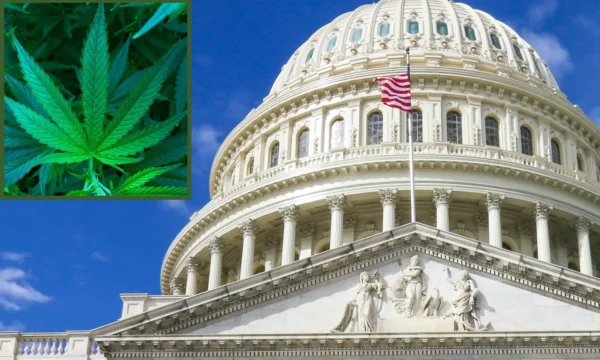
DEA marijuana rescheduling is back on the burner, and this time the flame feels high. Word is the agency is drafting a rule to shift cannabis to Schedule III under the Controlled Substances Act, and doing it ASAP. That’s the kind of headline that sends a shiver through compliance teams and a sugar rush through boardrooms, because the phrase cannabis industry impact stops being an abstraction when the feds start moving pens. It’s about federal cannabis policy finally loosening its tie, about the tax handcuffs that have bloodied balance sheets, and about whether this American experiment with legal cannabis revenue can graduate from back alley to main street without losing its soul.
The spark here is a post on X from former congressman Matt Gaetz—Trump’s early pick for attorney general in a second term—saying he’s been told DEA is writing the rule now. I have been told the DEA is drafting this rule and moving it ASAP
, he wrote, pouring octane on a rumor mill already churning. The White House isn’t adding color, and DOJ has kept its lips pursed. Gaetz has a knack for dangling hope, and he’s not wrong that an executive order set this rescheduling process in motion. The attorney general—Pam Bondi, a longtime skeptic of marijuana policy reform—was tasked with steering it, even as the administration touted rescheduling as a first-year win. Still, agencies don’t move at campaign speed. They move at the pace of footnotes, comment periods, and lawyers staring down litigation.
Let’s talk brass tacks. Schedule III would not legalize your state market or bless interstate commerce. It won’t erase criminal records by magic, either. But it would likely detonate the notorious 280E tax penalty that treats state-legal cannabis operators like cartel accountants, freeing up cash for payrolls, expansion, and research. It would grease the skids for clinical studies and insurance coverage, clarifying rules for universities and labs that have tiptoed around cannabis like it’s radioactive. Banking would get less skittish. Auditors would breathe through their noses again. And yet the culture war won’t vanish: workplaces will still wrestle with impairment policies, local cops will still interpret gray zones differently, and regulators will still argue about dosage, labeling, and safety like line cooks fighting over the last clean pan. Schedule III is a big door, but it doesn’t open to the whole house.
There’s also the messy political kitchen. Two Republican senators tried to slip in an amendment to block rescheduling; it fizzled, but the signal was clear. A formal appeal of rescheduling remains pending, and congressional researchers have floated that DOJ could slow-walk or restart reviews if it wanted, a reminder that the Administrative Procedure Act is a labyrinth, not a sprinting track. Bondi recently missed a deadline to ease research barriers for Schedule I substances—more evidence that the bureaucracy can choose molasses over espresso. Democrats like Sen. Cory Booker have sounded hopeful but wary: promising, he says, but let’s see where DOJ lands. Meanwhile, the states keep stirring the pot. A top Republican in West Virginia has argued that the order to reschedule could strengthen the case for local change, a debate captured in Top GOP West Virginia Lawmaker Says Trump’s Marijuana Rescheduling Order Could Bolster Push For State Legalization. In New England, the live-free-or-die ethos is flirting with the ballot box in New Hampshire Lawmakers Take Up Bill To Let Voters Legalize ‘A Modest Amount’ Of Marijuana At The Ballot This November. Not all momentum points forward: in the heartland, advocates warn of backsliding in Nebraska Bill Would Let Medical Marijuana Regulators Remove Patient Protections, Advocates Say. And on the parallel track of hemp, federal forms and tolerance thresholds are tightening, as seen in USDA Seeks White House Approval For Changes To Hemp Farming Forms As Industry Braces For Federal THC Ban, a reminder that cannabis policy is a web, not a straight line.
So what happens next if DEA truly is drafting a rule? Expect a notice of proposed rulemaking, a public comment period where everyone from multistate operators to county sheriffs unloads opinions, then a final rule—and likely a courtroom challenge before the ink dries. The Michigan cannabis market won’t suddenly become a national franchising free-for-all, but if 280E relief lands, the math changes everywhere. Operators should be scenario-planning like chefs prepping a double turn: modeling taxes with and without 280E, organizing data rooms for lenders newly willing to talk, lining up research partnerships, auditing packaging and labeling against potential FDA-like expectations, and getting HR policies ready for a world where cannabis is less taboo but still regulated. If you’ve survived the past decade of shifting cannabis taxation and compliance, you already know the drill—keep your knives sharp, your books clean, and your expectations elastic. And if you’re simply curious about where high-quality, compliant THCA products fit into this evolving landscape, you can explore our selections here: https://thcaorder.com/shop/.