

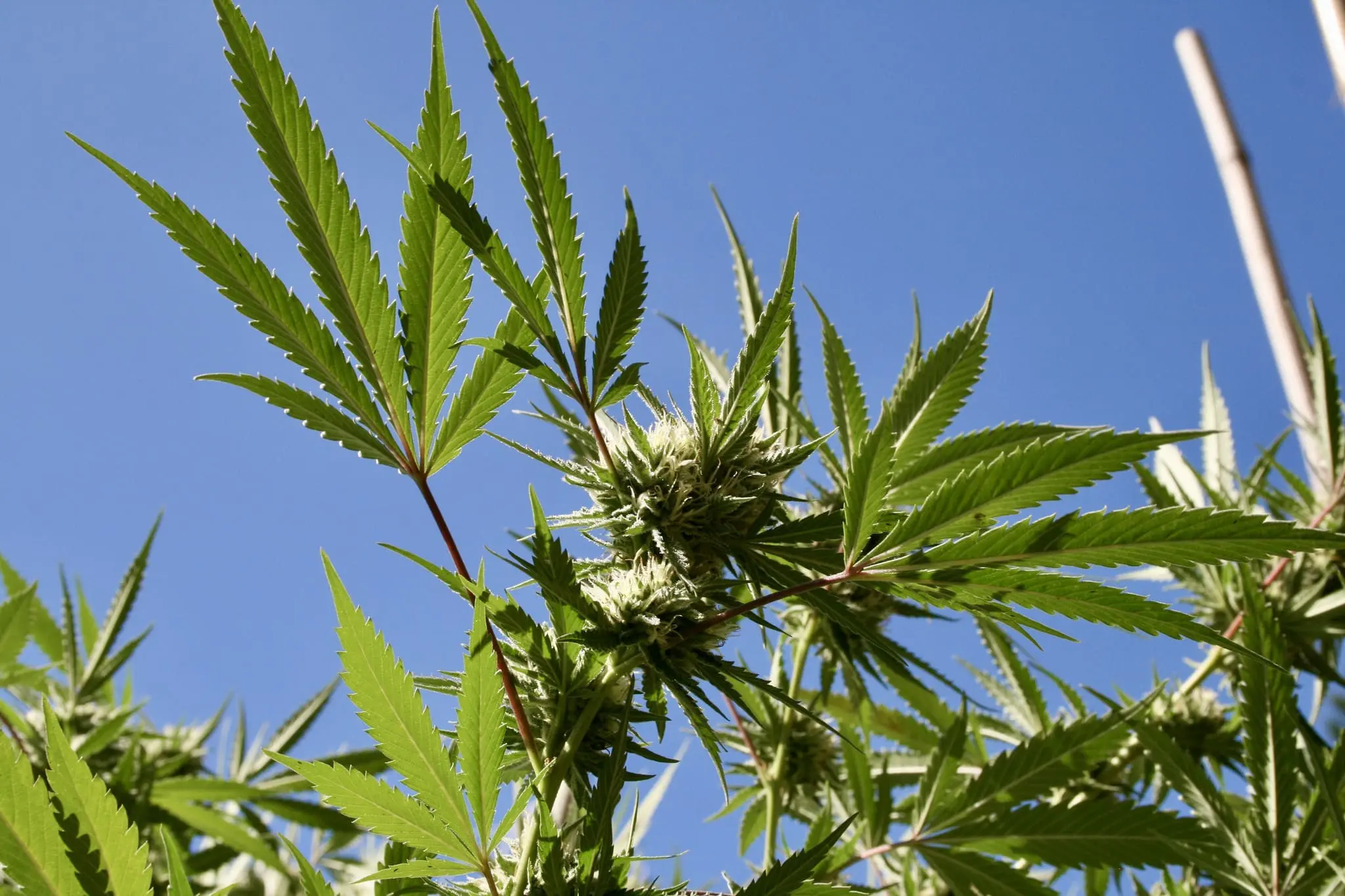
First Government-Run Marijuana Store In Minnesota Will Open Next Week, Local Officials Say
First government-run marijuana store in Minnesota isn’t just a headline—it’s a civic experiment with a cash register. In Anoka, a city of 18,000 where river air mixes with coffee steam and municipal grit, the Anoka Cannabis Company is ready to unlock the door next week. City leaders finished construction, checked the regulatory boxes, and laid out their pitch with a kind of Midwestern pragmatism: keep cannabis sales safe, keep the streets orderly, and use legal cannabis revenue to ease the tax bite. It’s municipal cannabis dispensary meets community bank account—local control, tighter compliance, fewer middlemen, and a promise that profits stay home. If you’re searching for the soul of the Minnesota cannabis market, you might find it here—where cannabis taxation and neighborhood priorities share a balance sheet, and where the morality play of marijuana policy reform gets measured in potholes filled and parks kept open after dusk.
The rollout is plotted like a four-course tasting menu. First, an open house on Wednesday, February 4, 2026—no sales, just introductions and expectations. Then a ribbon-cutting on Thursday the 5th, heavy on civic cheer. Friday the 6th is the appointment-only soft open, a velvet-rope move designed less for hype than for order, so budtenders can walk new customers through products, dosing, and safety without the first-day frenzy. And Saturday the 7th brings a grand opening built for the wider crowd. The store’s crew says education sits at the center of the mission. That sounds quaint until you realize it’s also strategy: informed customers buy better, safer, more consistently, and they come back. That’s how a public shop becomes more than a novelty—it becomes a steady instrument of local policy.
This is not happening in a vacuum. Minnesota legalized adult-use in 2023 and has since threaded the needle: licensing microbusinesses, onboarding event permits, and standing up a new regulator to referee the breaks and the bruises of a young market. Non-tribal storefronts have begun to dot the map. More than a dozen cities have flirted with the municipal model, but Anoka is stepping into the light first, daring critics and copycats alike to measure results. The pitch is simple: municipal ownership lets leaders set a higher compliance bar, curb gray-market creep, and reinvest margins into the neighborhood that generated them. Done right, that can shrink illicit supply, boost consumer safety, and knit cannabis into the regular fabric of civic life—another storefront where the lights are on and the receipts are honest.
Look beyond the state line and the market’s contradictions get louder. Private venues are embracing cannabis at scale—just look at the deal that saw the Largest Entertainment Arena In US Partners With Cannabis Businesses To Sell THC Drinks At Concerts And Live Events—while some governments still clutch pearls over banking and federal rules. Public models like Anoka’s come with their own risk: stewardship demands receipts, sunlight, and boringly competent management. The cautionary tale is easy to find. In Appalachia, West Virginia Officials Still Haven’t Spent Medical Marijuana Revenue Amid Federal Concerns. Money meant to build a system sits idle, choked by uncertainty. Anoka’s model only works if dollars move—to youth prevention, treatment, public works—fast enough for residents to feel the point of legalization in their bones, not just read about it on a budget line.
Policy currents are shifting all over. In the Mountain West, a pragmatic bill would trade punishment for common sense: New Utah Bill Would Decriminalize Marijuana, Removing The Threat Of Jail Time For Low-Level Possession. On the Atlantic seaboard, lawmakers are widening the aperture, with Maryland Lawmakers File Bills To Extend Psychedelics Task Force To Recommend More Reforms Through 2027. And in Minnesota, leaders are gaming out how to protect a thriving hemp-derived THC sector from a looming federal sledgehammer. All of which puts Anoka’s decision in sharper relief: when the ground keeps shifting, local control can be ballast. A city store with strong compliance, clear data, and transparent books becomes its own argument for sanity. If you want to taste where this goes next, show up, ask hard questions, buy thoughtfully—and when you’re ready to explore the finest THCA flower and compliant products with the same clarity and care, step into our shop at https://thcaorder.com/shop/.