


Missouri Marijuana Businesses Fined For Bringing Clones Across State Lines In Violation Of Rules
Missouri marijuana businesses fined for chasing genetics across state lines—it sounds like a headline for a Prohibition sequel, but it’s just another Tuesday in the Missouri cannabis market. The “immaculate conception rule” is the kind of bureaucratic koan only this industry could birth: for one year after a grow passes its commencement inspection, regulators look the other way while a cultivation facility conjures its starter inventory. After that, the curtain drops, and every plant must have a traceable, in-state origin. Seed-to-sale tracking isn’t a suggestion. It’s the house rules. And when a handful of operators kept importing clones and tissue cultures to feed customers’ appetite for hot strains, the house came to collect.
“Some licensees believed they were permitted to bring in clones or tissue cultures as well as seeds on an ongoing basis.”
What the rule really says
Missouri law bans cannabis from crossing state lines, full stop. So the state grants new cultivators a one-year window to get established—call it a wink and a nod to horticultural reality—then slams the door. Past that point, ongoing inventory must sprout from approved seed imports or from clones sourced from other licensed cultivators within Missouri. No more mystery boxes, no more out-of-state cuts, no more “everybody’s doing it” logic. According to state regulators, at least seven cultivation facilities crossed that line over the past year, and they paid for it. The episode reads like a field manual in cannabis regulation: patient zero is the “mother plant”—the genetic anchor of a facility’s future—paired with a market that worships novelty and demands velocity. You can almost hear the dry voice in a hearing room: how, exactly, did that mother get here? (Initial reporting via the Missouri Independent.)
Fines at a glance
- High Profile’s O’Fallon cultivation facility: $500,000
- Good Day Farm/Codes (four cultivation licenses in Columbia, Carrollton, and Chaffee): $347,495 combined
- Two smaller cultivators: $20,000 and $50,000
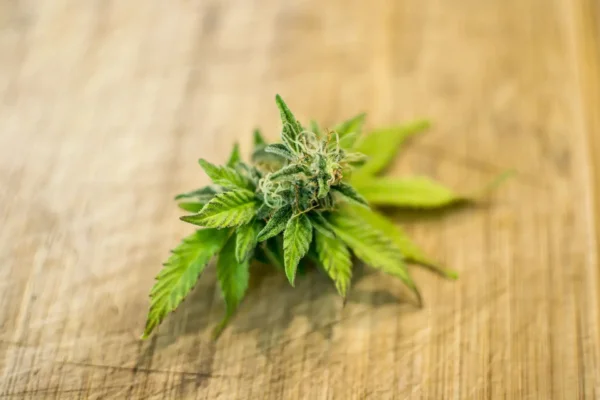
The point wasn’t subtle. If you’re going to keep up with demand for trendy genetics, do it the old-fashioned way: breed, hunt, select, or trade legally with your in-state competitors. Ryan Schepers, who teaches at St. Louis Community College’s cannabis program, says starting from seed isn’t some impossible rite—just slower. You need a month to six weeks to get something sturdy, and clones will always feel like the express lane by comparison. Tissue culture? Clean, elegant, lab-bright—and usually no faster than seeds. The rub is time. An algorithm in California makes a cultivar go viral on a Monday, and by Friday everyone east of the Rockies wants it in their carts. Missouri’s message is to build the bench at home: breed smarter, innovate harder, train cultivators to be plant scientists, not just clone wranglers. It’s less glamorous than firing off a purchase order to a friend out of state, but it’s how you future-proof a market without Swiss-cheesing your compliance.
The rulebook is still being written
There’s an extra layer of absurdity in play: the federal fog. At one point, DEA guidance suggested clones with negligible Delta-9 THC might not count as marijuana under federal law. Good news, if you squint—until Congress tightened the screws on hemp in last year’s spending package, a move that could change the status of seeds and clones when it takes effect in November. Missouri regulators say they’re watching Washington before tweaking any rules. Translation: don’t bet your business on a loophole with a countdown clock. Reform isn’t a straight line; it’s a maze with moving walls. That’s a lesson that extends well beyond cannabis—when guardrails loosen too fast, you can crater the very momentum you need, a warning echoed by policymakers in other frontiers of drug policy, as in Bipartisan Lawmakers Warn That Even One Mistake In Push For Psychedelics Access Could Derail Progress. Missouri’s play here is conservative: hold the line, watch the feds, don’t burn down the scaffold while you’re still climbing it.
Zoom out and you see the patchwork map of American drug policy stitched with contradictions. Some states nickel-and-dime their way through cannabis regulation; others treat it like a jobs program and a tax engine, with checks already flowing to local governments, as seen when Ohio Cities Begin Receiving Marijuana Revenue To Support Local Programs And Services. Elsewhere, lawmakers can’t even agree on what counts as intoxicating, a live wire underscored when the South Dakota Senate Rejects Debate On Banning Intoxicating Hemp And Kratom. And then there are places moving ahead on full retail frameworks—like Virginia’s push to normalize the market, where Virginia House And Senate Lawmakers Approve Bills To Legalize Marijuana Sales Under New Pro-Reform Governor. In Missouri, the takeaway is simple, if inconvenient: adapt your cultivation playbook to the rules as they exist, innovate inside the lines, and be ready to pivot when the feds decide what a clone really is. Until then, grow smarter, label everything, and keep receipts. And if you’re looking to explore compliant, high-quality options while the dust settles, take a look at our curated selection here: https://thcaorder.com/shop/.