
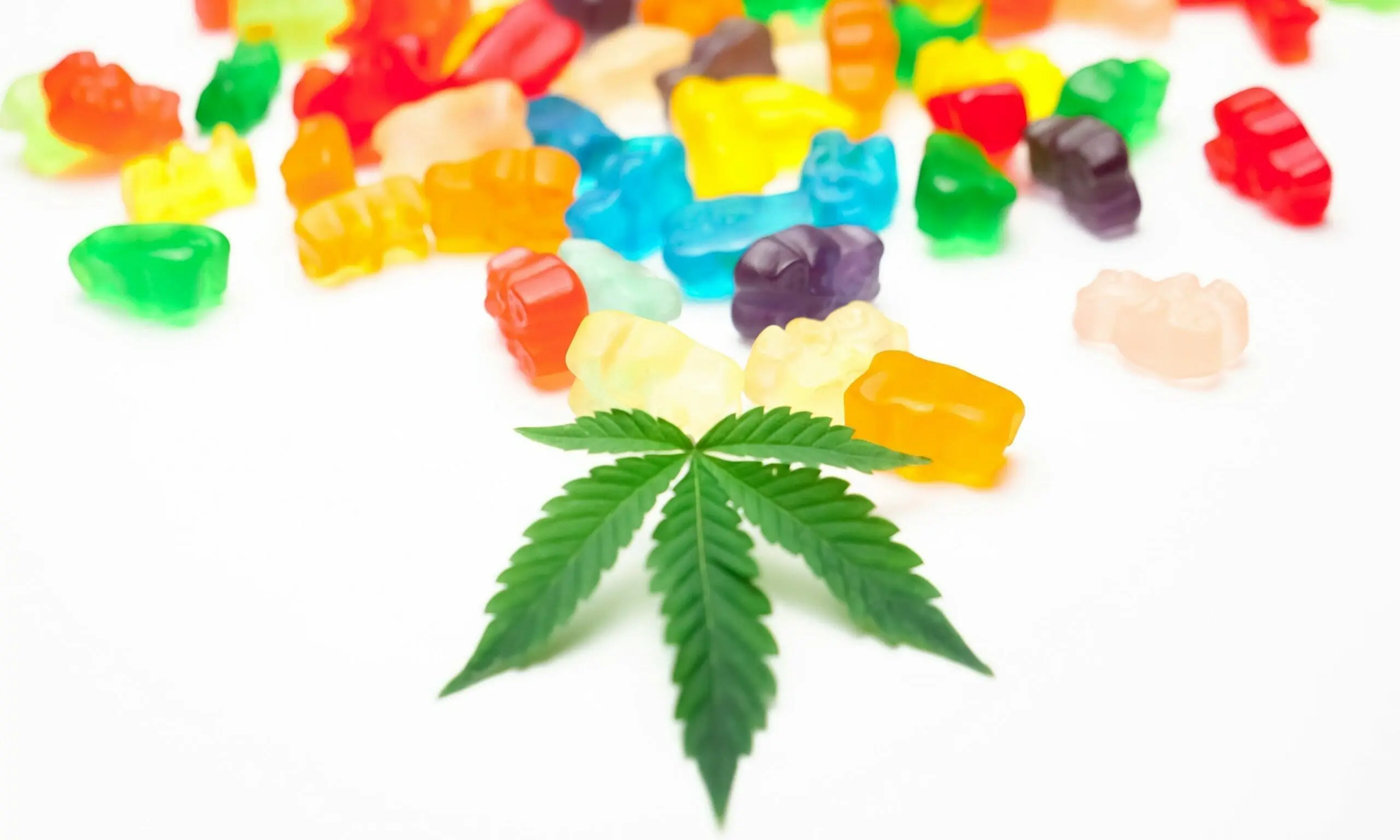
South Dakota Senate Panel Advances Bills To Ban Intoxicating Hemp And Kratom—But Without Recommendations For Passage
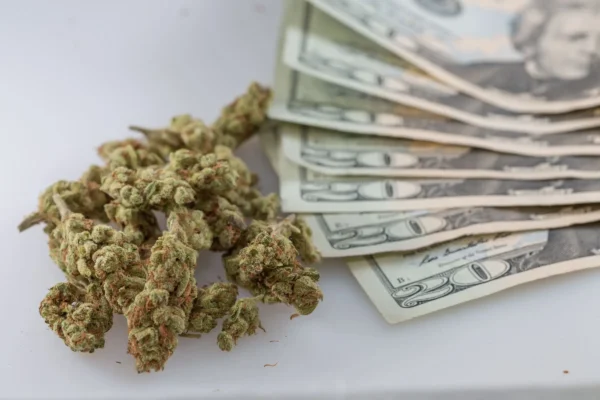
South Dakota hemp-derived THC ban debate hits the floor. In Pierre’s fluorescent hum, a Senate panel did the legislative equivalent of a shrug—advancing two prohibition bills without blessing them. One would outlaw intoxicating hemp products outside licensed medical marijuana dispensaries. The other would ban kratom outright. Both carry class 2 misdemeanor teeth, up to 30 days and a $500 fine. They’re Sen. John Carley’s projects, and they’re now headed for a full-throated floor fight while another bill—pushed by the attorney general to restrict certain hemp products to 21+—already has committee backing. This isn’t neat policy. It’s a messy stew of commerce, recovery, and fear, simmering in a state still allergic to adult-use marijuana but awash in delta-8 gummies and THC seltzers that skirt prohibition by living in the hemp gray zone.
Intoxicating hemp is the target—and the collateral damage
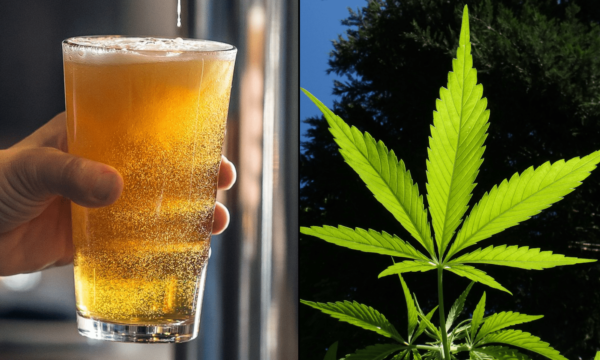
Carley’s Senate Bill 61 swings wide: ban the possession, sale, or use of intoxicating hemp products anywhere but dispensaries. Think delta-8, delta-9, delta-10 gummies and vapes in smoke shops, and those fizzy THC seltzers suddenly on bar menus and grocery shelves. He says the “workaround” market is cannibalizing licensed medical marijuana businesses. His backers include police and a child-safety advocacy group. But critics warned the bill’s 0.4% THC-by-weight threshold could yank non-intoxicating staples like topical creams off shelves, gutting small CBD shops. “All this is a hemp and CBD ban,” one Sioux Falls retailer argued, saying he’d lose 90% of inventory. Others testified THC seltzers are helping people replace booze or opioids—“selling like wildfire,” one lawyer said—because medical cards can be costly and hard to navigate. Carley countered that trading one mind-altering crutch for another isn’t a public-health win, suggesting folks need friends, church, ice cream—anything but a psychoactive. Meanwhile, the culture clash is already here: THC in nightlife, with all the awkwardness and bravado that implies; for a wry snapshot of weed-meets-waterhole friction, see Woody Harrelson Got Kicked Out Of Two Bars For Smoking Marijuana With Matthew McConaughey’s Mom.
Enforcement is a fog—until the lab says otherwise
Here’s the catch: state law already bans making and selling adulterated hemp-derived THC, but not using it. The attorney general’s recent opinion to the city of Brookings—where the municipal liquor store wanted to know if it could stock hemp-based Delta-9 drinks—basically said: if a drink’s THC is cooked up by distilling CBD oil, it may be illegal. But without testing, nobody can tell. That’s the enforcement swamp—every can a chemistry quiz. Carley pitches SB 61 as a broom to sweep up ambiguity: keep intoxicating hemp in the dispensary lane; make it “simple.” Jackley’s office is on record supporting age-appropriate guardrails and continuing to work the issue, but even they admit it often comes down to credible lab results. If you want a deeper read on the policy play-by-play and testimony, start with the original South Dakota Searchlight report. On the access side of the ledger, it’s worth noting how other states are threading the needle between control and compassion—see hospital access debates like Washington Bill To Let Seriously Ill Patients Use Medical Cannabis In Hospitals Advances.
Kratom: a leaf with devotees, detractors, and grief
Then there’s Senate Bill 77, which would pull kratom from shelves entirely. Lawmakers have tinkered around its edges for years—21+ sales limits in 2021, then potency caps and labeling rules, plus a ban on adulterated derivatives. Carley says the Department of Health counted at least six kratom-linked deaths in 2024. A grieving mother testified that her son died after using leaf powder, not the souped-up stuff. The Global Kratom Coalition countered that most harms trace back to adulteration and that 18 trials support safety for natural leaf, arguing the state should build a safe marketplace before swinging the axe. Lawmakers balked at the business blowback too, with one senator calling the hemp bill’s per-container THC limits “bad legislation” because nobody defined container size. Another senator said he’d hate to strip a product from people using it responsibly. A third waved off sales-tax pleas, framing this as pure public safety. Step back and the picture’s bigger: Americans are experimenting with alternatives—some for fun, some for pain, others to dodge worse demons. You can see the shape of that appetite in reports like 10 Million US Adults Microdosed Psychedelics Last Year, New Report Shows.
The politics of the gray market
Markets love ambiguity; regulators don’t. Hemp-derived THC blew in on a legal technicality and set up shop where marijuana couldn’t. Now the bill comes due: age gates, potency ceilings, lab testing, clear labels—or bans. The Senate HHS Committee punted endorsement but sent both bans to the floor, a unanimous nudge that says, “Let the full chamber own this.” The day before, Judiciary gave unqualified support to an age-21 restriction bill, hinting at a compromise path. Yet regulation only works if people trust the process. When voters feel hustled, they revolt or disengage, and cannabis policy becomes a mud-wrestle in the dark; see the cautionary pulse in Nearly Half Of Massachusetts Voters Who Signed Anti-Marijuana Initiative Petitions Feel Misled By Campaign Workers, Poll Finds. South Dakota’s choice now isn’t just about hemp and kratom—it’s about credibility. About whether the state can draw a line that’s respected, enforceable, and worth the friction it creates.
So what’s the smart play? Bring intoxicating hemp into a clearer lane: enforce age limits, ban adulteration, standardize testing and labeling, and keep placement sensible—no stealth buzz in kid-facing aisles. Reserve bans for products that stay slippery despite good-faith rules. And if you’re going to set THC thresholds by container, define “container” like you’d define “night” on the prairie—crisply. People don’t stop chasing relief just because the state says “no.” They chase it underground, or they chase a worse thing. Whether the Senate lands on prohibition or a cleaner regulatory harness, the outcome should be legible to cops, retailers, patients, and the bartender staring down a cooler of hemp seltzer. If you prefer to explore compliant, high-quality hemp the straightforward way, take a look at our curated selection here: https://thcaorder.com/shop/.