

Washington Bill To Let Seriously Ill Patients Use Medical Cannabis In Hospitals Advances
Washington medical cannabis in hospitals just took a big step: HB 2152 clears a key vote and points toward compassion over cold fluorescent light
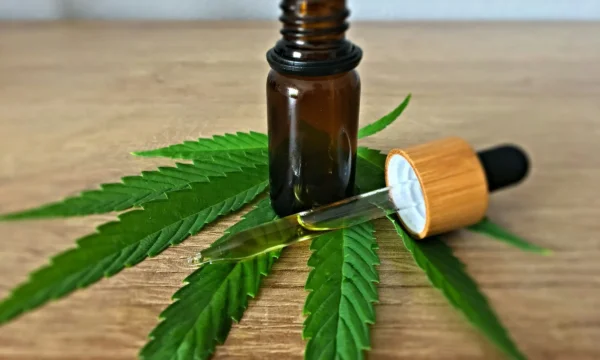
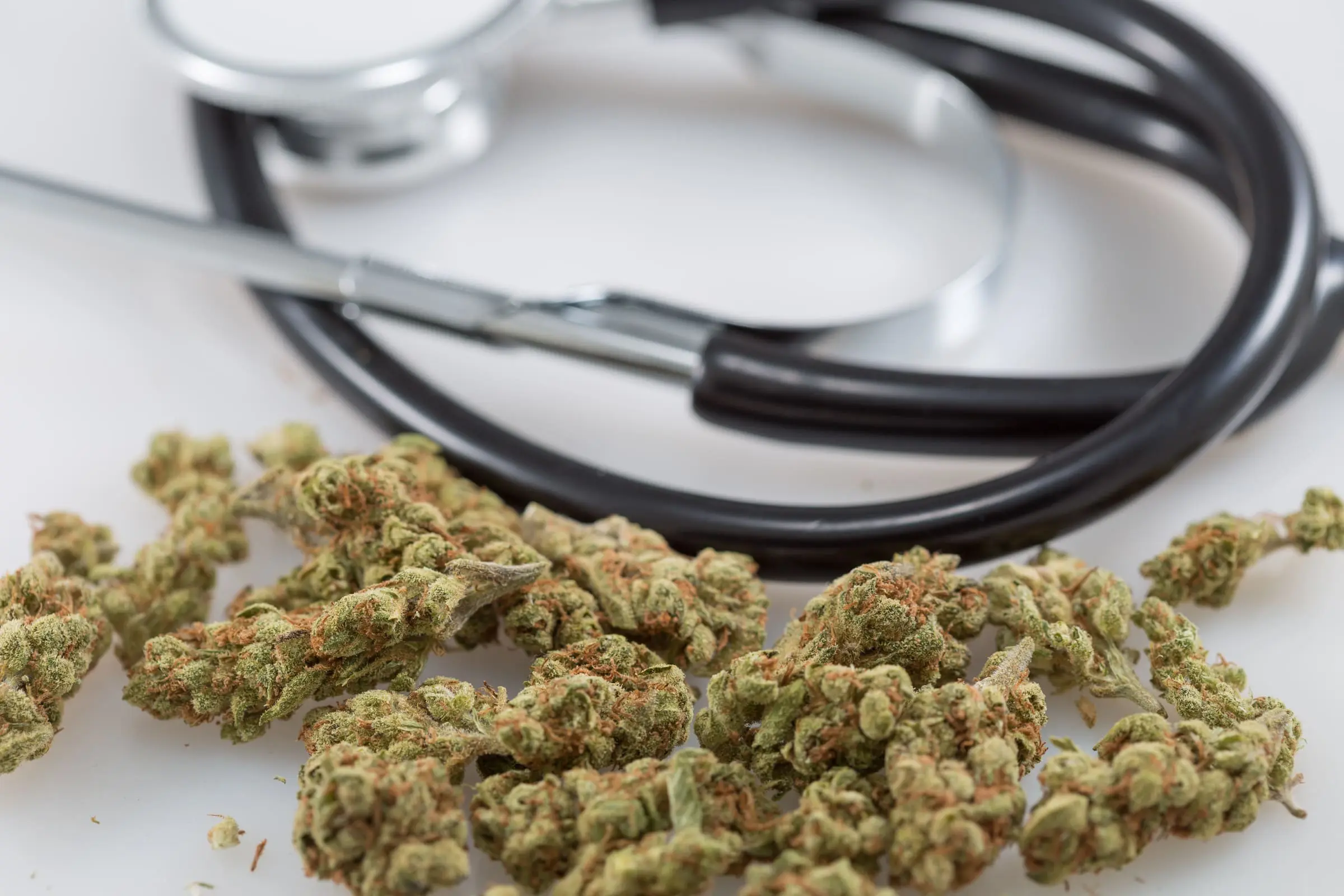
Picture the end of the line under hospital fluorescents—the push and pull of pain, dignity, and paperwork. Now put a small bottle of cannabis tincture in that frame. That’s the heartbeat of Washington medical cannabis in hospitals this week, where lawmakers advanced a bill to let terminally ill patients use medical marijuana inside healthcare facilities. The House Health Care & Wellness Committee voted 17–1 to move HB 2152 forward, signaling a rare political consensus that end-of-life care shouldn’t feel like a bureaucratic obstacle course. If this becomes law, the policy kicks in January 1, 2027—long enough for hospitals to draft rules, train staff, and figure out how to keep the Feds from breathing down their necks while easing the worst hours for people who don’t have many hours left.
What HB 2152 really does
The bill is a study in guardrails, a pact between comfort and compliance. Lawmakers didn’t toss a joint into the ICU. They built a system to slot cannabis into a place that runs on checklists, med carts, and handoffs.
- No smoking or vaping. Full stop. Think oils, capsules, edibles, tinctures—quiet, non-combustion forms that don’t set off alarms or roommates.
- Patients (or caregivers) bring it, administer it, and take it away. Staff are hands-off, including a specific prohibition on nurses and other personnel retrieving cannabis from storage.
- Always locked up. The medicine lives in a secure container, and sharing with other patients or visitors is off-limits.
- Emergency departments are a no-go. This is for admitted patients, not the churn of the ER.
- Proof on paper. Facilities must verify authorization for medical cannabis and note usage in the chart, then adopt a formal policy allowing medical use on the premises.
- Federal tripwire. If the U.S. Department of Justice or Centers for Medicare & Medicaid Services takes enforcement action or explicitly forbids it, hospitals can suspend permission.
- Scope tweak. Nursing homes inside residential habilitation centers are exempt, and earlier ideas to carve out more facilities were dropped.
If you’re a compliance officer looking for the fine print, the legislature’s summary has the receipts here: HB 2152 bill summary. And if you want to hear the tone in the room when lawmakers debated safeguards, the committee’s hearing is on video: TVW session. This is cannabis policy stepping out of the abstract and into the ward, where palliative care happens between alarms and visiting hours.
The friction point: compassion meets federal gravity
Hospitals don’t fear cannabis; they fear losing federal dollars. That’s why HB 2152 carries an off-switch if DOJ or CMS throws a flag. Until then, Washington is telling facilities: build a tight protocol, document everything, and let patients choose a plant-based palliative tool over another round of opioids. The intent is plain—promote dignity and comfort while keeping the health care environment orderly. It’s not rebellion. It’s harm reduction inside the lines. If the timeline holds, administrators have until 2027 to write policies, lock cabinets, train staff on non-interference, and coordinate with caregivers so that a dose during a long night isn’t a treasure hunt or a scolding. That’s the difference between policy on paper and relief when it’s actually needed.
Lessons from California’s “Ryan’s Law”
Washington isn’t inventing this playbook. California already walked it with “Ryan’s Law,” born from a family’s experience watching a son’s pain softened by cannabis while hospitals hesitated. The lesson wasn’t mystical. It was practical: a measured cannabis routine helped a dying patient stay present and say goodbye without being swallowed by narcotics’ fog. That’s the soul of palliative care—clear eyes when it matters, comfort without chaos. HB 2152 echoes that ethos with a Northwest accent: methodical, cautious, and humane. And like California’s law, it draws a bright line—no smoke, no vapor—so the medicine stays discreet and the ward stays breathable. The policy isn’t about “getting high.” It’s about control—of pain, of nausea, of those final moments that deserve mercy, not red tape.
America’s mood is shifting—policy is trying to keep up
Zoom out. Cannabis is no longer a counterculture whisper; it’s stitched into daily life and contested in hearing rooms. Cultural stories that once felt like late-night bar lore now land on the front page—see Woody Harrelson Got Kicked Out Of Two Bars For Smoking Marijuana With Matthew McConaughey’s Mom. At the same time, the policy fights have grown more intricate than a simple yes-or-no on legalization. Consider how mainstream interests are jockeying for position, like the push to slow-walk federal rules on hemp-derived intoxicants: Alcohol Retailers Push Congress To Delay Hemp THC Ban While Regulations Are Crafted. Public sentiment is messy and modern: millions of adults explored novel therapeutics outside the hospital setting last year, as chronicled in 10 Million US Adults Microdosed Psychedelics Last Year, New Report Shows. And even signature-gathering campaigns aren’t clean, with voters reporting they felt played—see Nearly Half Of Massachusetts Voters Who Signed Anti-Marijuana Initiative Petitions Feel Misled By Campaign Workers, Poll Finds. Against that backdrop, Washington’s hospital bill isn’t radical; it’s alignment. It acknowledges what patients and families already know: when the clock is ticking, relief that keeps you awake enough to say “I love you” is more valuable than a pharmacy’s worth of sedation.
So where does this go next? Through more votes, more amendments, more nervous emails from legal departments. If HB 2152 reaches the governor’s desk and the January 2027 start date holds, hospitals will need crisp protocols, clear signage, and a script that tells staff how to respect a patient’s medical cannabis without touching the bottle. Families will need simple steps—and a lockbox. In a country where the last chapter can feel clinical and lonely, Washington is quietly writing a better ending. If you’re curious about compliant, hemp-derived options on the legal side of that line, step into our shop here: https://thcaorder.com/shop/.