

South Carolina Lawmakers Should Pass Hemp Legislation That Smartly Regulates Products (Op-Ed)
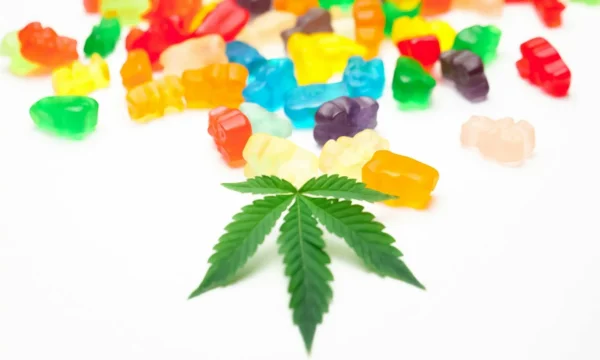
South Carolina hemp regulation is overdue—and the clock is loud. Walk through any strip mall from Greenville to Goose Creek and you’ll hear it in the neon hum: gummies, vapes, THC seltzers stacked like promises with no referee on the field. We’ve lived under a thin federal guardrail—0.3 percent delta-9 THC by dry weight—while the market for hemp-derived cannabinoids sprinted past the old rulebook. Consumers want relief. Small businesses want rules they can actually follow. Law enforcement wants clarity. Without it, the state’s hemp economy reads like a late-night diner menu scribbled on a napkin: tempting, inconsistent, and one mistake away from indigestion. The question now isn’t whether to regulate consumable hemp products—it’s whether South Carolina can do it with the kind of sober precision that protects public safety, preserves access, and keeps the legitimate players from getting bulldozed by chaos.
There’s a path, and it’s not hypothetical. An amendment to House Bill 3924 would finally build a framework that makes sense for the hemp industry and the people who rely on it. The concept is simple: regulate consumable hemp the way adults regulate their vices and medicines—age-gate it, test it, label it, license it, and keep serving sizes sane. Neighboring states from Georgia to Tennessee and Kentucky to West Virginia have already moved ahead with sensible cannabis policy reform around hemp-derived products. Even the White House’s recent push to reclassify marijuana signaled a broader acceptance of full-spectrum hemp, the kind that real people actually use. South Carolina doesn’t need to reinvent the wheel; it needs to stop pretending one doesn’t exist. Here’s the backbone of what a serious, consumer-first policy looks like:
- Age restrictions: 21+ to purchase consumable hemp products.
- Independent testing: verified potency and contaminant screening before products reach shelves.
- Clear labeling: accurate cannabinoid profiles, dosage, warnings, and batch traceability.
- Licensing: defined roles for manufacturers, distributors/wholesalers, and retailers—each accountable.
- Serving size limits: predictable, safe dosing that curbs accidental overconsumption.
Why the urgency? Because enforcement without rules feels like a raid on a restaurant where the health department forgot to post the code. In December, a sweeping, multi-agency operation aimed at illicit traffickers swept up legitimate hemp shops too—collateral damage born of regulatory ambiguity. Even South Carolina’s attorney general has called for a coherent, responsibly regulated market. He’s right. The current patchwork—one county strict, the next county shrugs—punishes compliant operators and rewards the corner-cutters. And the uncertainty doesn’t stop at the state line. When federal authorities seize goods from state-legal businesses, confidence collapses and small retailers eat the loss. That’s why scrutiny like Congressional Leaders Push Feds To Explain Marijuana Product Seizures From State-Legal Businesses matters: predictable rules aren’t a luxury, they’re the spine of a real market.
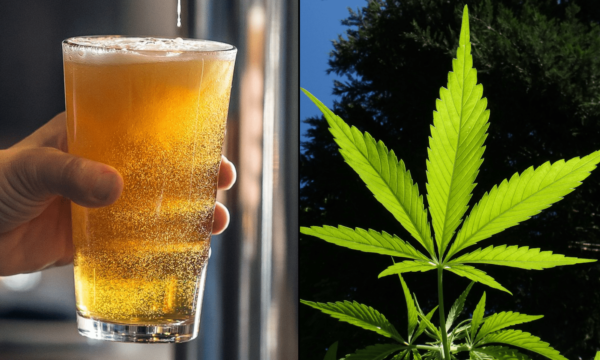
Zoom out and you see the national map curving toward order—messy, incremental, but unmistakable. Florida is already tightening norms around public consumption—see Florida Lawmakers Approve Bill To Ban Public Marijuana Smoking Ahead Of Possible Legalization Vote On The Ballot—because states don’t wait for perfection to set guardrails. Meanwhile, science is still strapped to the tarmac. The Attorney General Misses Deadline For Rules To Make It Easier To Study Schedule I Drugs Like Marijuana And Psychedelics, prolonging the research deficit that keeps policymakers guessing about dosing, impairment, and best practices for consumer safety. And even if federal rescheduling advances, there’s political anxiety about the landing: Democratic Senator ‘Very Concerned’ About How DOJ Will Handle Marijuana Rescheduling captures the unease. All of this—public consumption rules, research bottlenecks, DOJ caution—feeds back into South Carolina’s reality. The state can either let uncertainty define the hemp economy or write its own playbook with clear, enforceable standards for THC-infused drinks, edibles, and other consumable hemp products.
So here’s the straight pour: pass a smart amendment to H.3924, then enforce it with the even hand of a good bartender. Age-gate sales. Demand testing. Require accurate labels. License the supply chain. Set serving size caps that don’t turn first-time consumers into cautionary tales. In return, you stabilize a legal hemp market, protect families, and give honest retailers a fighting chance in a crowded, often confused South Carolina cannabis market. Regulation, done right, doesn’t strangle innovation—it chases out the grifters and lets the grown-ups stay open past midnight. If you want compliant, high-quality options without the guesswork, you can always find them at our shop.