
Indiana House Rejects Amendment To Let Farmers Begin Cultivating Marijuana Seeds
Indiana’s farmers stare at the green horizon—and lawmakers keep the gate locked
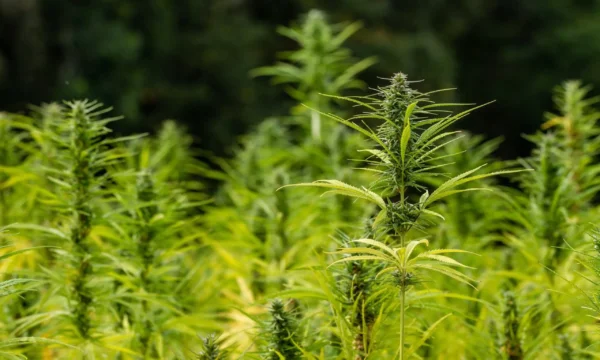
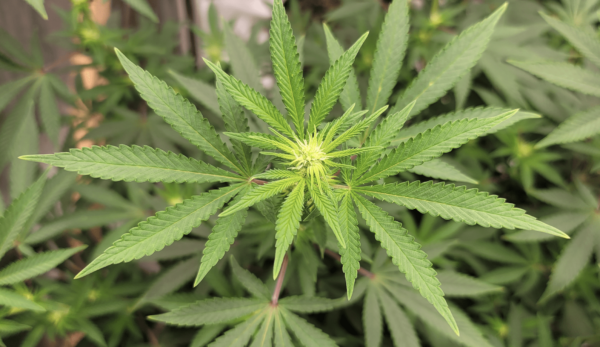
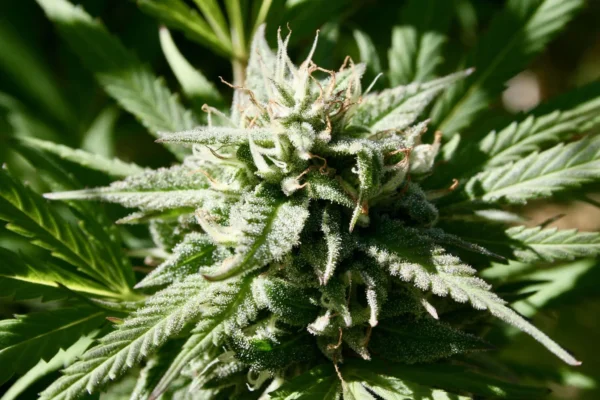
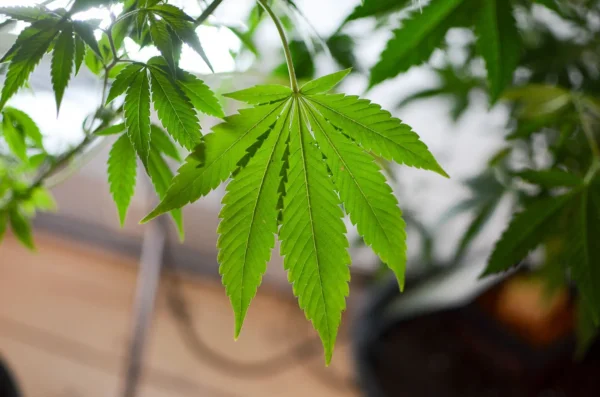
Indiana marijuana cultivation amendment: dead on arrival, after a curt voice vote that felt like a bartender flipping the lights on before you’ve finished your last sip. The pitch was modest, almost quaint—special-use permits for three to ten farmers, spread across the state, to cultivate marijuana seed under the watch of the state chemist and seed commissioner. A pilot. A dress rehearsal. A small bet that Indiana might want to be ready if Washington finally moves, as Rep. Kyle Miller framed it, to reschedule cannabis under a recent order from President Donald Trump. In a state where corn and soy whisper to the wind about margins and weather and never-ending risk, this was about giving farm operators another crop to hedge against the fickle gods of commodity markets. But the House said no, and the sound it made was a shrug disguised as governance.
Miller’s amendment tried to slip into a bill about state seed law, looking for a lawful corridor to put a few test plots in the ground, documented and supervised, not wildcatting in a ditch. But Rep. Mike Aylesworth, the bill’s sponsor, pointed to the obvious tripwire: Indiana’s criminal code still says that possessing viable marijuana seed is illegal. He warned the change would force the state seed commissioner to hand out permits for an act the code forbids, a statutory collision you could see from a mile away. It’s a fair cop on paper, and it gave cover to a caucus that didn’t want to touch the electric fence. If you want to read the dry mechanics, the legislative scaffolding is here: the bill’s details. And if you prefer the on-the-record color, Aylesworth’s caution is captured in local ink, too, via The Times of Northwest Indiana. The bigger story isn’t a parliamentary technicality, though—it’s that Indiana won’t even take a careful first step while the rest of the country loosens its shoulders and starts walking.
“The longer we stick our heads in the sand, we’re hurting our farmers, we’re hurting our constituents.”
That line from Miller lands because it’s true beyond the politics. Public opinion has finished its pivot; reform isn’t some fringe cause scribbled on a dorm-room poster. A recent statewide survey pegs support at 59 percent for legalizing both medical and adult use, and when you add those who favor medical only, backing for at least therapeutic access swells to roughly 84 percent. Meanwhile, Republican Gov. Mike Braun says federal rescheduling could “add a little bit of fire” to the push and that he’s amenable to medical cannabis. The legislative brass? They’re still allergic—citing doubts about medical value, worries about mental health, and the suspicion that medicine is just a gateway to recreation. Read the room long enough and you start to smell a stalemate. Here’s the lay of the land, stripped down for the late shift:
- Public demand: majority for full legalization; supermajority for medical access.
- Executive signals: governor open to medical; watching the federal chessboard.
- Legislative gatekeepers: resistance framed as public health caution and code consistency.
- Farm economy: seeking diversification, but boxed out by statutory lockstep.
Zoom out, and the Indiana fight is really a proxy for the bigger argument: whether cannabis policy should be dictated by dusty schedules and cultural hangovers, or by science, standards, and market reality. If the feds move cannabis to Schedule III, the ground won’t quake overnight—but the tremor will rattle statehouses like this one. The distance between prohibition and regulation, between folk wisdom and lab reports, is measured in standards and data. You can see states building that spine: Michigan, for instance, is debating a statewide reference lab to unify quality controls—read more in Michigan Lawmakers Weigh Bill To Create Statewide Cannabis Reference Lab To Standardize Testing. And the basic premise that marijuana’s locked-down federal status matches the science? That’s increasingly hard to defend; see the growing evidence base challenging those assumptions in Marijuana’s Restrictive Federal Classification Isn’t Supported By Science, New Study Concludes. When researchers probing even the overlooked corners of the plant—like hemp roots—publish promising signals, it’s a reminder that the frontier is wider than the statute book admits. For a taste of that horizon, there’s USDA Study Shows Untapped Potential Of Hemp Roots In Pediatric Cancer Treatment.
Indiana, for its part, isn’t standing still so much as sidestepping. The state has already moved to police hemp-derived intoxicants, tightening the screws on a market born from loopholes and chemistry—see the recent posture in Indiana Lawmakers Approve Bill To Restrict And Regulate Hemp THC Products. Yet when it comes to letting a handful of farmers plant regulated marijuana seed for a controlled trial, the answer is no—because the code says no—because the politics say not yet. That’s the grind here: Indiana wants the safety rails without testing the road. But markets don’t wait. Neither do neighboring states, nor investors with spreadsheets, nor patients who read the studies and wonder why they’re still stuck in the waiting room. If you’re ready to explore compliant, high-quality THCA options while the policy dust settles, browse our selection here: https://thcaorder.com/shop/.