
USDA Study Shows Untapped Potential Of Hemp Roots In Pediatric Cancer Treatment
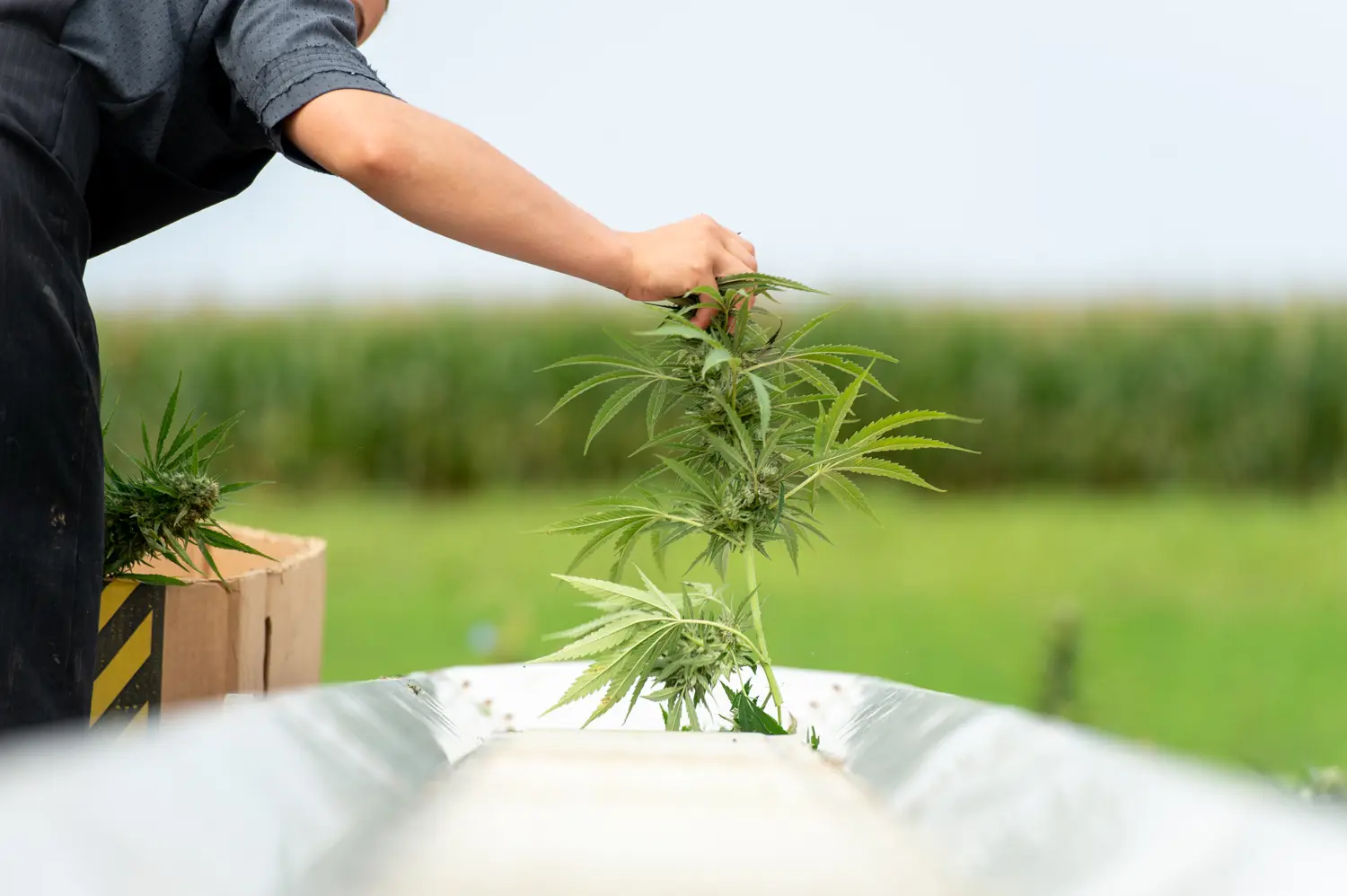
USDA hemp roots study points to pediatric cancer treatment—and a fresh revenue stream hiding under our boots. Picture the roots: knuckled, dirt-caked, ignored. The parts of industrial hemp we stepped over on the way to the flowers, the fiber, the grain. Now, Agricultural Research Service scientists say those roots are carrying a new class of molecules—neolignans—quiet assassins that showed lab-grade potential against pediatric cancer cells. The work, published in the peer-reviewed Journal of Cannabis Research, reframes the plant as a multi-tool, not a single blade. If confirmed, this isn’t just a story about therapeutics; it’s a blueprint for a fuller, smarter, whole-plant economy in the industrial hemp sector.
Here’s the gist, neat and on ice. Government chemists isolated four distinct neolignans from hemp roots—compounds that had slipped past the industry’s gaze while it obsessed over cannabinoids. In petri dishes, one molecule (call it M4, because that’s how the lab ledger names it) clipped cell survival across multiple pediatric cancer lines. Not a miracle, not a cure, but a clear signal. ARS researchers frame it as a path to a multi-use crop—paper, grain, fiber, and now possibly pharmaceutical leads—squeezing value from what was once agricultural waste. It’s the kind of incremental, disciplined finding that shifts markets quietly before anyone realizes what happened. Key takeaways, distilled:
- Four novel hemp-root neolignans identified; previously unreported in the crop.
- M4 showed significant suppression of pediatric cancer cell survival versus controls.
- Next up: mechanistic deep-dives—cell cycle, apoptosis/necrosis, and pathway-level mapping.
- Implication: whole-plant utilization reduces waste and diversifies farmer revenue.
Science doesn’t live in a vacuum; it breathes the same air as policy and testing labs. If hemp roots are going to graduate from curiosity to commodity, they’ll need measurement that doesn’t wobble when regulators squint. That’s why moves like Michigan Lawmakers Weigh Bill To Create Statewide Cannabis Reference Lab To Standardize Testing matter. A credible reference lab is where hype goes to die and standards are born—exactly the kind of infrastructure a root-derived pharmaceutical ingredient will require. Meanwhile, the rulebook is tightening elsewhere. Consider Indiana Lawmakers Approve Bill To Restrict And Regulate Hemp THC Products and Missouri Lawmakers Weigh Bills To Match New Federal Hemp Restrictions In State Law. Those debates—potency caps, compliance thresholds, labeling—may feel a world away from petri dishes, but they set the contours for what products make it to market and how cleanly they move through a national supply chain. If root-derived compounds are the next frontier, consistent testing and harmonized hemp regulations will be the guardrails that keep this thing from fishtailing.
Farmers, here’s the unvarnished calculus: roots used to be a disposal line item. If neolignans pan out, they become inventory. That reframes harvest logistics, storage, extraction partnerships, even crop insurance. A diversified revenue stack makes weather, pests, and pricing shocks just a bit less cruel. And the broader cannabis economy has shown it can swallow new product categories whole when they’re proven and properly regulated. Look at scale: Montana Retailers Have Sold More Than $1 Billion Worth Of Recreational Marijuana Since Legalization Took Effect. That’s a small-population state, big-ticket revenue, and a reminder that validated, regulated products—backed by real science and reliable testing—find their customers. If hemp roots graduate from lab bench to licensed ingredient, processors will need GMP-grade extraction, reference standards, and traceability from field to vial. The Michigan-style lab infrastructure, the Indiana/Missouri compliance lens—those aren’t nuisances; they’re prerequisites for scaling.
Let’s keep our boots on the ground. In vitro cytotoxicity is a spark, not a bonfire. Mechanisms must be nailed down; bioavailability, toxicity, dosing, and delivery all need to stand up to peer review and regulators with very sharp pencils. But it’s rare, and refreshing, to see industrial hemp—a crop too often reduced to a cannabinoid price chart—reimagined as a pharmacy of overlooked phytochemicals. This is cannabis research done right: cautious, incremental, focused on pathways, not press releases. If the data holds, growers get a new lifeline, patients get a fresh lead, and the industry evolves toward whole-plant intelligence instead of single-molecule tunnel vision. While the scientists push the work forward and the regulators tune the playbook, if you’re exploring compliant hemp products and want to see what’s fresh and lab-vetted, take a look at our selection here: https://thcaorder.com/shop/.