



Michigan Lawmakers Weigh Bill To Create Statewide Cannabis Reference Lab To Standardize Testing
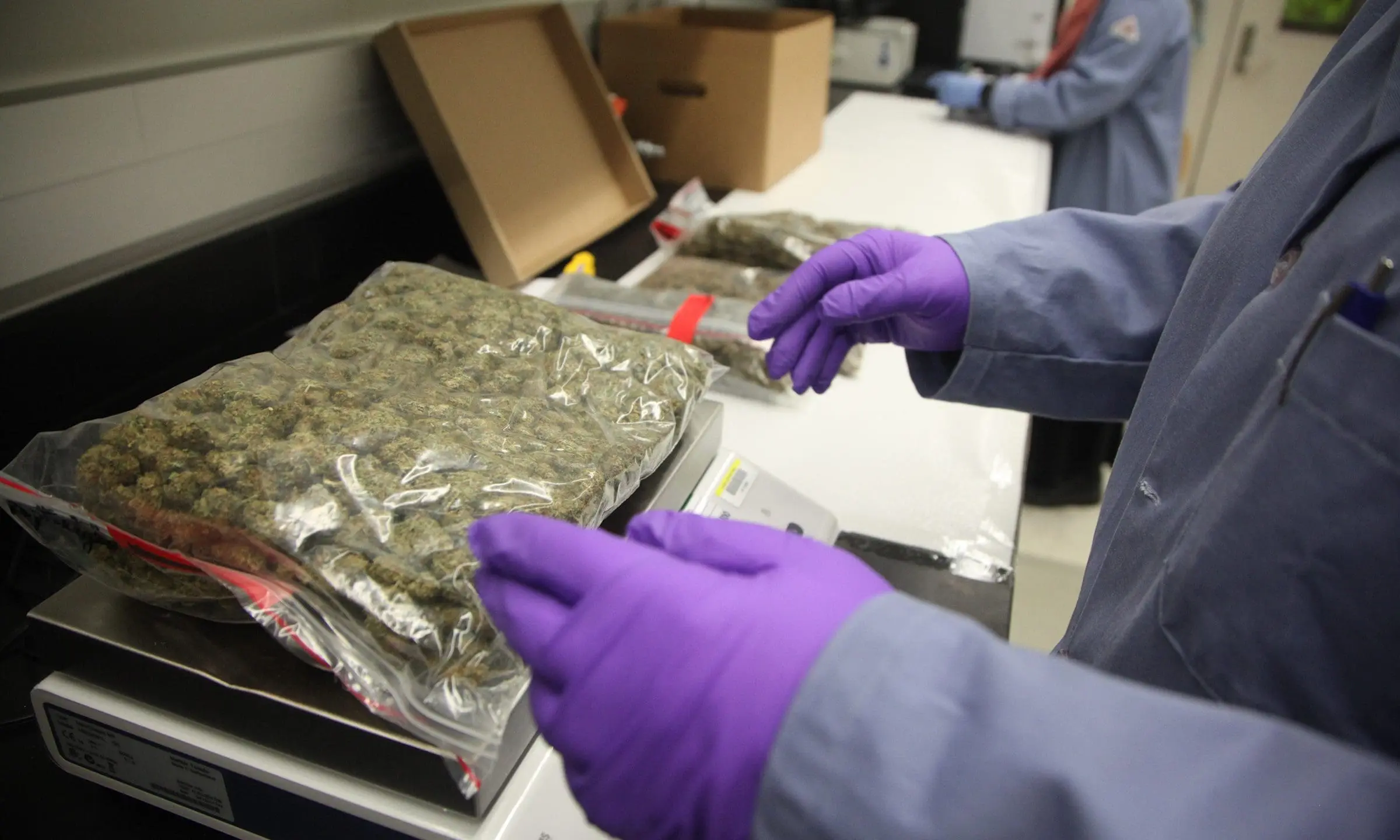
Michigan cannabis testing lab. Say it out loud like a blunt declarative, the kind a line cook barks when the grill flares and the ticket rail sags. That’s the energy around a new push in Lansing: a statewide reference laboratory meant to standardize how the Michigan cannabis market measures truth. Lawmakers heard the pitch for House Bill 4501, a plan to backstop safety and consistency in an industry that still smells like new paint and old problems. Seventeen private labs dot the state, each with its own instruments, incentives, and interpretations. In the gaps between them, growers have been “lab shopping,” hunting for the numbers they want—potency that hits bravado levels, microbials that magically disappear. The proposal doesn’t outlaw ambition; it reins it in. Create a central lab with the authority to hold cannabis, check the work, and call the bluff when the math doesn’t add up.
The bones of this idea were funded in the FY 2024 budget, but now the legislature needs to give the lab clear legal teeth—permission to possess what the feds still call contraband, so science can do what politics often can’t: verify. As a policy hand from the Michigan Cannabis Regulatory Agency explained to lawmakers, the mission isn’t to swallow the testing system whole. It’s to audit it. To step into the ring with reference methods and say, here’s the baseline, here’s the truth, here’s how far you drifted. Investigations can happen in-house instead of outsourcing the state’s credibility to the same private players under scrutiny. One central lab pulls blind samples, runs controls, and compares results across the market. If a bad batch slips through, the state has a place to break it down—mold, pesticides, residual solvents—and to document, in hard numbers, where the chain bent. It’s a simple premise, spelled out plainly in House Bill 4501: raise the floor under testing, and fewer people fall through.
This is the unglamorous end of marijuana policy reform—calibration curves instead of culture wars—but it’s where public trust lives. Ask anyone who’s bought a jar promising sky-high THC, then smoked something that felt like decaf. Potency inflation isn’t just folklore; it’s a market distortion that punishes honest labs and tempts corner-cutting. Add inconsistent microbial or heavy metal readings and you’ve got risk, not just for consumers, but for the regulatory spine of the whole enterprise. A statewide reference lab can impose discipline without theatrics: proficiency panels, standardized methods, and audits that keep the scientists focused on science. For smaller growers, transparent testing standards can level a field that often feels tilted toward whoever can shout the loudest in a lab report. For consumers, it’s safety with receipts. For the Michigan cannabis market, it’s stability—duller than a ribbon cutting, more important than a press conference.
Zoom out and you can see the Midwestern weather front rolling in. States are tinkering, drawing lines, redrawing them. Indiana moved to tighten the screws on hemp-derived THC, a move that telegraphed the push-pull between innovation and chaos; for a taste of that debate, see Indiana Lawmakers Approve Bill To Restrict And Regulate Hemp THC Products. Across the state line, lawmakers in Missouri are adjusting their compass to match new federal cues—regulation as translation, one level of government making sense of another’s rules—captured in Missouri Lawmakers Weigh Bills To Match New Federal Hemp Restrictions In State Law. At the national level, there’s an uneasy pause button hovering over hemp THC bans while policymakers hunt for something smarter than prohibition; the skirmish is charted in Bipartisan Senators Push To Delay Federal Hemp THC Product Ban As Lawmakers Consider Regulatory Alternatives To Prohibition. And when a state gets its regulatory footing right, the receipts are loud: Montana’s retailers crossed the billion-dollar line since legalization, a reminder that clear rules and credible testing can fuel real revenue, not just headlines—see Montana Retailers Have Sold More Than $1 Billion Worth Of Recreational Marijuana Since Legalization Took Effect. Michigan isn’t trying to reinvent the wheel; it’s trying to true it.
Back in the committee room, the rhetoric stayed practical. Support rolled in from industry and state regulators—people who know the cost of bad data and the value of clean baselines. The lab won’t fix everything. A statewide reference facility can’t stop every shortcut or squeeze every drop of gamesmanship from a booming market. But it can draw a bright line. It can make the Michigan Cannabis Regulatory Agency’s job less like refereeing a street fight and more like enforcing a rulebook people actually respect. The bet is simple: better testing equals safer products, fairer competition, steadier revenue, and a public less likely to flinch when cannabis policy takes its next step. And if you care about where this all leads—from lab benches to living rooms—keep an eye on HB 4501 as it moves; in the meantime, if you’re ready to explore compliant options with clarity and care, wander through our shop.