


GOP Senators File Amendment To Block Trump From Rescheduling Marijuana
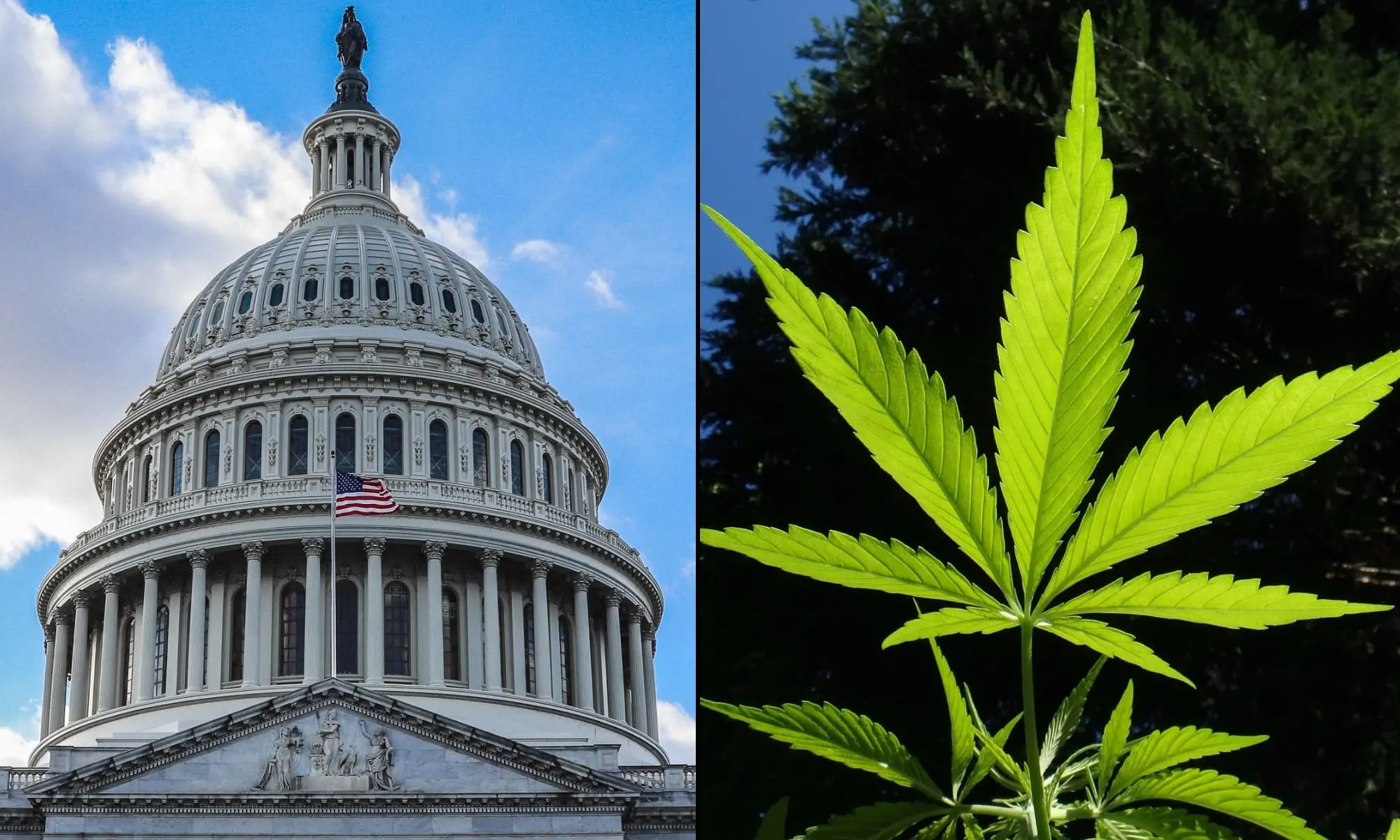
GOP senators want to block Trump from rescheduling marijuana—and they’re using the oldest trick in Washington’s cookbook: an appropriations rider. In the Senate’s late-shift glow, Sens. Ted Budd of North Carolina and James Lankford of Oklahoma slipped an amendment onto the Fiscal Year 2026 Justice Department funding bill that would bar the agency from spending a dime to move cannabis under the Controlled Substances Act. The move is aimed squarely at President Trump’s executive order to speed federal marijuana rescheduling toward Schedule III. It’s procedural, sure, but don’t mistake it for paperwork. This is where federal cannabis policy really happens—between commas, rider clauses, and the grimy gears of government. Call it the marijuana rescheduling amendment, the kind of line you only notice when your taxes, your medicine, or your business suddenly feel lighter or heavier by a couple hundred pounds.
Let’s keep it plain. The amendment says DOJ money can’t be used to transfer “marijuana” from Schedule I to any other schedule. That’s it. It doesn’t argue morality, medicine, or markets. It just pulls the plug on the lamp and leaves the room dark. If it sticks to the bill and clears the chamber, the practical effect is simple: the executive branch’s push to place cannabis in Schedule III stalls on the tarmac. Whether the Senate even gives this a floor debate or vote is up in the air, the legislative equivalent of watching the bartender decide who gets served next. For the curious who want to read the prohibition text itself, the congressional record lays it out in dry, clinical type—policy by scalpel, not sledgehammer. Meanwhile, over at DEA, the rescheduling appeal process is still “pending,” which is bureaucratese for: don’t touch the stove yet; it’s hot, but not ready.
This fight didn’t materialize out of thin air. Budd recently rallied more than twenty senators to urge Trump to ditch the rescheduling move, while a chorus in the House echoed that rescheduling “won’t make America great.” Trump shrugged, pointing to broad public support and the medical stories he’s heard—the kinds that stick with you long after the cameras leave. The larger arc is unmistakable: voters have moved, even if Washington staggers behind. Just look at the cultural weather report to our north; Canadian Support For Marijuana Legalization Is Increasing, New Poll Shows, and that cross-border breeze has a way of slipping under doors. On Capitol Hill, though, Republicans already tried a standalone block in 2023; it didn’t get a hearing. Outside the Beltway, Republican state attorneys general still insist cannabis belongs on Schedule I, as if decades of patient testimony and emerging science were just smoke in a back room. The result is a familiar American tableau: federal hesitation, state experimentation, and a public that’s several exits ahead.
Make no mistake—rescheduling to Schedule III would redraw the map. It could open doors for research, change compliance burdens, and upend how the IRS treats cannabis businesses under the tax code. That’s not niche policy; that’s payroll, pricing, and who makes it to year three in the Michigan-sized markets of tomorrow. And as states tinker with their own blueprints, the federal frame matters. Consider how regional cooperation and cross-border supply might evolve if Washington loosens its grip—New Jersey is already sketching the edges of the future with proposals like New Jersey Marijuana Businesses Could Engage In Interstate Commerce Under Senate President’s New Bill. Even psychedelics are inching into the legitimate daylight, with efforts like New Hampshire Lawmakers Take Up Bipartisan Bills To Legalize Psilocybin For Medical Use signaling that the reform conversation no longer fits neatly in one category. When Congress toggles a single line in a DOJ funding bill, it sends tremors through all these experiments—taxes, research, patient access, even interstate flow—because everyone is building on top of federal bedrock, soft or solid.
But politics, like kitchen work, is timing and heat. Riders get stripped in conference. Amendments die quietly at midnight. And sometimes, seemingly small procedural skirmishes tip the whole pan. State-level drama proves the point: a ballot’s wording can be the difference between a greenlight and a pileup, as Ohio learned when the Ohio Attorney General Rejects Cannabis Referendum Petition, Saying It’s ‘Misleading’. This latest Senate amendment is cut from the same cloth—technical, tidy, disruptive. If it passes, expect a longer waitroom for federal marijuana rescheduling and a louder fight from the markets, patients, and voters who’ve already moved on. If it fails, expect a fresh round of “what next?” as DEA, DOJ, and the White House try to thread a needle that’s poked everyone’s fingers. Either way, keep your eyes on the rider, not the ribbons. And if you prefer to explore the plant’s lawful, high-purity side while the suits argue over commas, you can always browse our selection here: https://thcaorder.com/shop/.